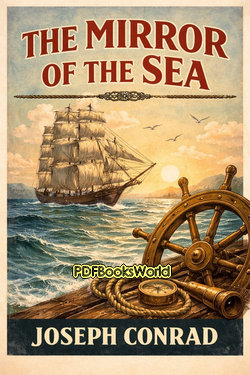
The Mirror of the Sea
by Joseph Conrad
The Sea Remembered Through Memory, Reflection, and Experience
The Mirror of the Sea by Joseph Conrad is not a traditional novel or adventure story, but a deeply personal collection of autobiographical reflections about life at sea. Blending memoir, philosophy, technical observation, and literary meditation, Conrad writes about sailors, storms, ships, navigation, discipline, and the emotional meaning of the ocean itself.
Rather than focusing on a single plot, the book moves through memories and impressions gathered across Conrad’s long maritime career. The result is both an intimate portrait of seafaring life and a philosophical meditation on endurance, solitude, and human effort.
A Sailor Reflects on a Lifetime at Sea
Throughout the collection, Conrad recalls experiences from his years as a merchant sailor and ship captain. He describes storms, changing weather, difficult voyages, navigation techniques, crew behavior, and the strange emotional atmosphere created by life on the ocean.
Yet these reflections extend beyond technical detail.
For Conrad, the sea becomes a vast emotional and symbolic force shaping the personalities of those who live upon it. The routines of sailing demand patience, discipline, courage, and acceptance of uncertainty.
His memories often carry a tone of admiration mixed with melancholy.
The Human World Behind the Ships
- Sailors and Officers
Conrad reflects on the discipline, resilience, and quiet pride of working seamen. - Captains and Navigators
Figures responsible for leadership and survival amid unpredictable conditions. - The Sea Itself
Presented almost as a living presence shaping human thought, emotion, and destiny.
The book’s emotional power comes less from dramatic events than from accumulated experience and reflection.
The Ocean as Teacher and Adversary
Conrad portrays the sea as both beautiful and merciless. Calm waters can suddenly become destructive, while isolation at sea exposes human beings directly to uncertainty and vulnerability.
At the same time, the ocean teaches self-control and endurance. Conrad repeatedly emphasizes the professionalism and discipline required to survive maritime life.
The sea strips away illusion, forcing sailors to confront reality with clarity and humility.
Ideas Flowing Through the Book
- Memory and Experience
Conrad reflects on how years at sea shaped his understanding of life and human character. - Discipline and Responsibility
Seafaring demands precision, patience, and emotional control. - Nature’s Power
The ocean represents an immense force beyond human domination. - Isolation and Reflection
Life at sea encourages introspection and emotional self-awareness.
Conrad Writing Closest to Himself
The Mirror of the Sea offers one of the clearest glimpses into Conrad’s own personality and maritime philosophy. Unlike his fictional narrators, the voice here feels openly reflective, personal, and contemplative.
The prose remains richly atmospheric, filled with precise nautical detail and emotional sensitivity. Conrad transforms practical observations about ships and sailing into broader reflections about courage, labor, loneliness, and human dignity.
The book feels less like instruction and more like accumulated wisdom from a life spent confronting uncertainty.
Why Readers Still Treasure This Work
Modern readers continue appreciating The Mirror of the Sea because it captures experiences and emotional truths that extend far beyond maritime life alone.
The book speaks to anyone who has faced uncertainty, responsibility, isolation, or the need for endurance under difficult conditions. Conrad’s reflections remain powerful because they combine technical realism with philosophical depth.
For readers interested in maritime literature, autobiographical writing, and meditative prose about human resilience and experience, this work remains thoughtful, atmospheric, and deeply rewarding.
Similar Genres
About the Author

Joseph Conrad brought a unique international perspective to English literature, drawing upon his experiences as a merchant sailor to craft stories of adventure, moral conflict, and human resilience. Born in present-day Ukraine to Polish parents in 1857, he did not learn English fluently until adulthood, yet he went on to become one of the language's most admired novelists. Explore Joseph Conrad books to discover the author's life, literary career, and access notable works, including Heart of Darkness, The Secret Agent - A Simple Tale, Lord Jim, Nostromo - A Tale of the Seaboard , and more.