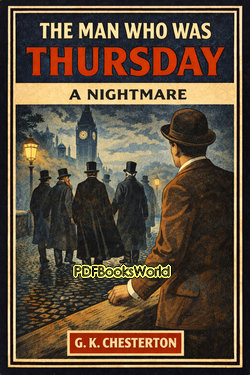
The Man Who Was Thursday - A Nightmare
by G. K. Chesterton
A Brilliant Philosophical Thriller Blending Mystery, Symbolism, and Surreal Adventure
The Man Who Was Thursday - A Nightmare by G. K. Chesterton is one of the most unusual and imaginative novels of the early twentieth century. Combining detective fiction, political satire, philosophical reflection, surreal fantasy, and psychological mystery, the novel creates a dreamlike adventure filled with secret societies, disguises, danger, and symbolic meaning.
Although the story begins like a suspenseful spy thriller involving anarchists and undercover detectives, it gradually transforms into a deeper exploration of identity, order, fear, chaos, and the mysteries of human existence.
The Strange and Unforgettable Story
The novel follows Gabriel Syme, a poet recruited into a secret anti-anarchist police organization. Through a bizarre series of events, Syme infiltrates a mysterious anarchist council whose members are named after days of the week.
Syme himself becomes “Thursday,” while attempting to uncover the terrifying secrets surrounding the council and its enigmatic leader, Sunday.
As the story progresses, reality becomes increasingly strange and uncertain. What begins as political intrigue develops into a surreal nightmare filled with pursuit, disguise, philosophical confusion, and symbolic encounters.
Main Characters in the Novel
The novel's memorable characters contribute greatly to its atmosphere of mystery and uncertainty.
- Gabriel Syme, the poet-detective searching for truth and order
- Sunday, the mysterious and powerful leader of the anarchist council
- The council members, each named after a day of the week
- Undercover detectives and hidden identities complicating the narrative
The characters often represent larger philosophical ideas as much as individual personalities.
Main Themes Explored Throughout the Novel
The Man Who Was Thursday explores several themes that continue to fascinate readers and scholars.
- The conflict between order and chaos
- Identity, disguise, and hidden truth
- Fear, uncertainty, and psychological confusion
- The relationship between good and evil
- Philosophical and spiritual mystery
- The surreal nature of human experience
These themes help make the novel both intellectually challenging and emotionally compelling.
Why Readers Continue to Admire the Novel
Readers continue to appreciate the novel because it defies easy classification. It combines suspense, humor, philosophy, symbolism, and dreamlike imagination in a way that feels highly original even today.
The novel offers:
- A fast-moving and unpredictable mystery narrative
- Philosophical reflection beneath the surface adventure
- Symbolic and surreal storytelling
- Sharp wit and imaginative literary style
The story rewards both casual readers seeking suspense and deeper readers interested in symbolism and philosophy.
The Writing Style of G. K. Chesterton
G. K. Chesterton writes with intelligence, humor, paradox, and extraordinary imagination. His prose moves quickly between comedy, suspense, philosophical reflection, and surreal imagery.
The novel's dreamlike atmosphere allows ordinary reality to become strange and symbolic, creating a unique reading experience that feels both entertaining and deeply mysterious.
Chesterton's ability to combine intellectual ideas with dramatic storytelling helped make the novel a lasting literary classic.
A Timeless Masterpiece of Mystery, Philosophy, and Imagination
Classic literary thrillers continue to remain meaningful because they explore fear, identity, morality, and human uncertainty through imaginative storytelling and symbolic depth.
The Man Who Was Thursday - A Nightmare by G. K. Chesterton remains a remarkable and unforgettable novel that combines mystery, satire, philosophy, and surreal adventure into one of the most original works in modern literature.
Similar Genres
About the Author
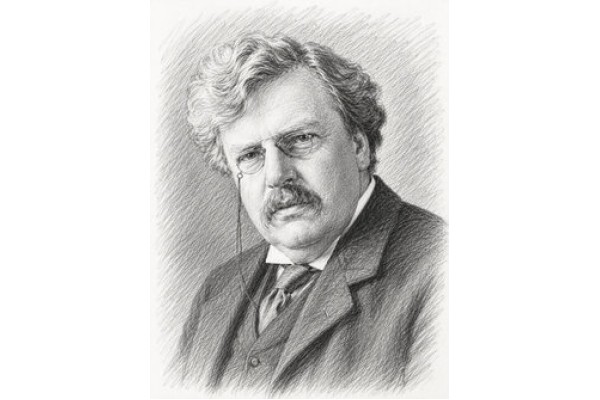
G. K. Chesterton, born Gilbert Keith Chesterton in 1874, was one of England's most brilliant essayists, novelists, poets, and literary critics. Renowned for his sharp wit, imaginative storytelling, and remarkable ability to express profound ideas with clarity and humor, Chesterton wrote on subjects ranging from philosophy and theology to history, politics, and literature. Explore G. K. Chesterton books to discover the author's life, literary career, and access notable works, including All Things Considered, The Innocence of Father Brown, Orthodoxy, Heretics , and more.