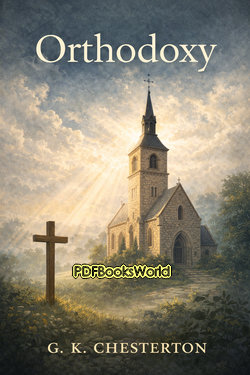
Orthodoxy
by G. K. Chesterton
Orthodoxy and G. K. Chesterton’s Brilliant Defense of Faith and Imagination
Few philosophical books combine wit, humor, and deep reflection as effectively as Orthodoxy by G. K. Chesterton. Written in the early twentieth century, the book explores belief, reason, morality, and human existence through Chesterton’s lively and highly personal style. Rather than presenting dry philosophical arguments, he approaches complex ideas with storytelling, paradox, and imaginative insight.
Although the title suggests strict religious discussion, Orthodoxy is also a broader meditation on wonder, meaning, and the search for truth in everyday life.
A Personal Journey Through Philosophy and Belief
Chesterton wrote the book partly as an explanation of how he arrived at his own worldview. Instead of beginning with rigid doctrine, he examines ordinary experiences such as joy, imagination, doubt, and curiosity.
His writing style feels conversational and energetic, making difficult philosophical questions more approachable for general readers.
What Makes the Book Unique
- Combination of philosophy and humor
- Creative use of paradox and irony
- Accessible discussion of complex ideas
- Strong emphasis on imagination and wonder
- Personal and reflective writing style
The Importance of Imagination in Chesterton’s Thought
One of the most memorable aspects of Orthodoxy is Chesterton’s belief that imagination and mystery are essential parts of human life. He argues that modern society often becomes too focused on logic alone while forgetting the beauty of wonder and emotional meaning.
For Chesterton, joy, gratitude, and imagination are not weaknesses but important ways of understanding the world.
Major Themes Explored Throughout the Book
- The relationship between faith and reason
- The value of wonder and imagination
- The search for truth and meaning
- The limitations of extreme skepticism
- Joy, gratitude, and appreciation for life
Why Orthodoxy Still Connects With Modern Readers
Modern readers continue to appreciate the book because it discusses timeless questions about belief, purpose, happiness, and human identity. Even readers who may not share Chesterton’s religious views often admire the creativity and intelligence of his arguments.
The book’s humor and lively style also make it very different from many traditional philosophical works.
Readers interested in philosophical literature often explore the philosophy of religion and belief systems to better understand the broader intellectual discussions connected to works like Orthodoxy.
G. K. Chesterton’s Influence on Literature and Thought
Chesterton became famous for his essays, detective fiction, literary criticism, and philosophical writing. His ability to combine intellectual depth with humor made him one of the most distinctive writers of his era.
Many later authors admired his imaginative style and his willingness to challenge conventional thinking through paradox and wit.
Reasons Chesterton’s Writing Endures
- Thought-provoking but accessible ideas
- Unique combination of humor and philosophy
- Memorable literary style and wit
- Timeless discussions about meaning and belief
- Influence on modern religious and literary thought
The Lasting Legacy of Orthodoxy
Over the decades, Orthodoxy has remained influential among readers interested in philosophy, theology, literature, and personal reflection. Its lively defense of wonder and meaningful living continues to inspire readers searching for deeper perspectives on human experience.
Chesterton’s ability to balance serious ideas with humor and imagination gives the book a lasting freshness that still feels engaging today.
Final Thoughts
Orthodoxy remains one of G. K. Chesterton’s most celebrated works because of its intellectual energy, emotional warmth, and imaginative insight. Through humor, philosophy, and personal reflection, Chesterton created a book that continues to encourage readers to think deeply about truth, wonder, and the meaning of life. Its timeless ideas ensure its enduring place in philosophical and literary history.
Similar Genres
About the Author
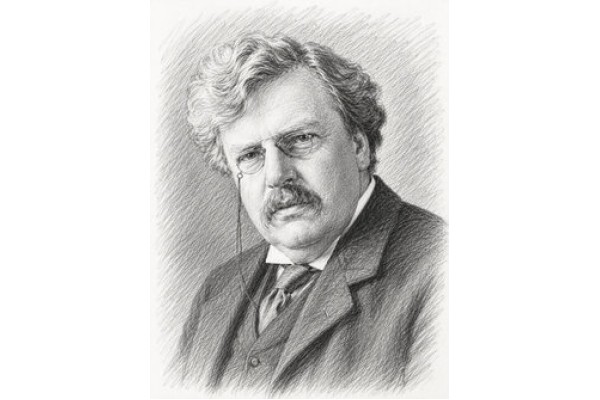
G. K. Chesterton, born Gilbert Keith Chesterton in 1874, was one of England's most brilliant essayists, novelists, poets, and literary critics. Renowned for his sharp wit, imaginative storytelling, and remarkable ability to express profound ideas with clarity and humor, Chesterton wrote on subjects ranging from philosophy and theology to history, politics, and literature. Explore G. K. Chesterton books to discover the author's life, literary career, and access notable works, including All Things Considered, The Innocence of Father Brown, Heretics, What's Wrong with the World , and more.