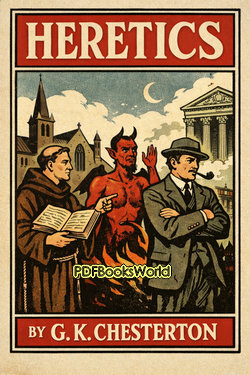
Heretics
by G. K. Chesterton
Sharp Ideas and Fearless Arguments in Heretics
Heretics by G. K. Chesterton is a lively and thought-provoking collection of essays that challenges many popular intellectual trends of the early 20th century. With humor, wit, and strong opinions, Chesterton critiques famous writers, philosophers, and social thinkers while defending common sense, tradition, and moral conviction.
Rather than attacking religion alone, the book argues against shallow modern ideas that Chesterton believed weakened society and human purpose.
What the Book Is About
In this collection, Chesterton examines the beliefs and arguments of several well-known public figures and movements of his time.
He discusses topics connected to:
Religion, morality, politics, individualism, literature, modern culture, and the changing intellectual climate of society.
The title Heretics refers to people Chesterton believed promoted incomplete or misguided ideas about life and human nature.
Chesterton’s Central Argument
One of Chesterton’s main points is that modern society often rejects traditional beliefs without offering stronger replacements.
He argues that many fashionable ideas sound attractive at first but can create confusion or moral emptiness when examined closely.
According to Chesterton:
- Human beings need moral foundations
- Reason alone cannot solve every problem
- Tradition sometimes contains deep wisdom
- Modern culture often praises contradiction
These arguments helped make the book one of his most famous works of criticism.
Major Themes in the Essays
Common Sense Versus Intellectual Fashion appears repeatedly as Chesterton criticizes ideas he considered unnecessarily complicated or disconnected from ordinary life.
Faith and Meaning are also central themes. Chesterton believed societies require shared moral and spiritual values to remain healthy.
Individual Freedom is discussed carefully throughout the essays, especially the balance between personal freedom and social responsibility.
Criticism of Modern Cynicism emerges as Chesterton challenges pessimistic or purely materialistic views of human existence.
Writers and Thinkers Discussed
Chesterton comments on several famous intellectual and literary figures, sometimes critically and sometimes with admiration.
The essays include discussions involving:
- George Bernard Shaw
- H. G. Wells
- Rudyard Kipling
- Friedrich Nietzsche
- Other cultural and political thinkers
Even when disagreeing strongly, Chesterton often writes with humor and energy rather than bitterness.
Chesterton’s Distinctive Writing Style
G. K. Chesterton became famous for his clever paradoxes, witty arguments, and entertaining prose style.
His writing in Heretics includes:
- Sharp humor and irony
- Memorable comparisons
- Bold opinions
- Conversational energy
- Philosophical reflection
Even serious discussions often feel lively because of his playful language and unexpected insights.
Why the Book Still Matters
Although written more than a century ago, many of the debates in Heretics still feel surprisingly modern.
Readers continue to connect with topics involving:
Cultural change, moral uncertainty, freedom of thought, social values, and the search for meaning in modern life.
The book remains popular among readers interested in philosophy, religion, cultural criticism, and intellectual history.
The Connection to Orthodoxy
After publishing Heretics, Chesterton later wrote Orthodoxy as a kind of response and continuation. While Heretics criticizes ideas he disagreed with, Orthodoxy explains his own beliefs more directly.
Together, the two books became some of his most influential works.
Who Should Read This Book?
Heretics is especially suited for readers interested in:
Philosophy, cultural criticism, religious thought, classic essays, intellectual debate, and early modern social commentary.
Readers who enjoy bold arguments and witty writing may find the collection especially engaging.
Final Thoughts
Heretics by G. K. Chesterton is an energetic and intelligent collection of essays that challenges popular ideas while defending moral conviction and common sense.
Filled with humor, paradox, and philosophical debate, the book remains a fascinating work for readers interested in cultural criticism and timeless intellectual questions.
Similar Genres
About the Author
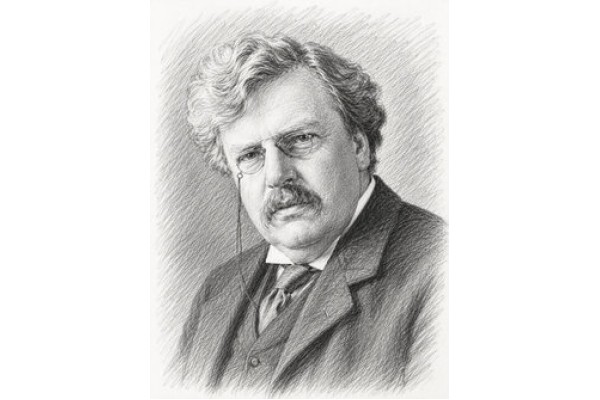
G. K. Chesterton, born Gilbert Keith Chesterton in 1874, was one of England's most brilliant essayists, novelists, poets, and literary critics. Renowned for his sharp wit, imaginative storytelling, and remarkable ability to express profound ideas with clarity and humor, Chesterton wrote on subjects ranging from philosophy and theology to history, politics, and literature. Explore G. K. Chesterton books to discover the author's life, literary career, and access notable works, including All Things Considered, The Innocence of Father Brown, Orthodoxy, What's Wrong with the World , and more.