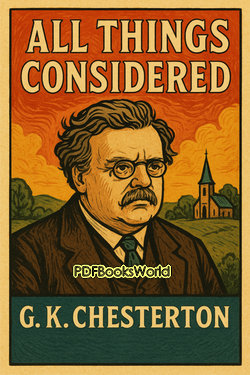
All Things Considered
by G. K. Chesterton
The Sharp Wit and Timeless Ideas Inside All Things Considered
G. K. Chesterton had a remarkable ability to turn ordinary subjects into fascinating conversations, and All Things Considered is one of the best examples of that talent. The collection brings together essays on everyday life, politics, literature, society, and human behavior, all written with Chesterton’s famous humor and unexpected insight. Even when discussing simple topics, he often leads readers toward larger questions about culture, morality, and modern civilization.
Readers interested in Chesterton’s literary reputation and influence can explore Encyclopaedia Britannica.
Finding Philosophy in Everyday Life
One of the most distinctive qualities of the book is Chesterton’s ability to find deep meaning in ordinary experiences. He writes about newspapers, public behavior, fashion, politics, and city life with the same seriousness that other writers reserve for major philosophical subjects.
What makes the essays memorable is the way Chesterton constantly surprises the reader. He often begins with a familiar observation before suddenly turning the argument in an unexpected direction. This playful style keeps the essays lively while encouraging readers to reconsider ideas they normally take for granted.
A Writer Known for Contradictions and Humor
Chesterton became famous for his use of paradox. He enjoyed presenting ideas that sounded contradictory at first but revealed deeper truths when examined closely. This approach gave his essays a unique energy that still feels fresh today.
His humor also plays an important role throughout the collection. Rather than sounding academic or distant, the essays feel conversational and entertaining. Even when discussing serious subjects, Chesterton often uses wit to make difficult ideas easier and more enjoyable to understand.
Readers looking for literary analysis and background on Chesterton’s essays can visit Poetry Foundation.
A Critic of Modern Society
Although the essays were written more than a century ago, many of Chesterton’s concerns still sound familiar. He questioned blind faith in progress, criticized shallow materialism, and worried about people becoming disconnected from tradition and community.
At the same time, he was not simply nostalgic for the past. Chesterton believed modern society often moved too quickly to dismiss older ideas without fully understanding their value. His essays encourage readers to think independently rather than automatically following popular opinions.
Why the Essays Still Feel Relevant
Modern readers continue to enjoy All Things Considered because the book combines intelligence with personality. Chesterton writes with strong opinions, but he also writes with curiosity, imagination, and humor. His observations about media, politics, and social trends still resonate in an age shaped by rapid technological and cultural change.
The collection also appeals to readers who enjoy reflective writing rather than straightforward argument. Chesterton rarely lectures his audience directly. Instead, he invites readers into a conversation filled with wit, irony, and unexpected perspectives.
The Lasting Appeal of Chesterton’s Writing
Many essay collections lose relevance over time because they focus too heavily on temporary events or political debates. All Things Considered, however, continues to attract readers because its deeper concerns remain universal. Questions about truth, modern life, individuality, and common sense still matter just as much today.
A Classic Collection of Thoughtful Essays
More than a century after its publication, All Things Considered remains an engaging and thought-provoking collection. Chesterton’s sharp humor, imaginative thinking, and ability to challenge ordinary assumptions continue to make his essays enjoyable for modern audiences. For readers who appreciate intelligent writing with personality and wit, the collection still offers a rewarding literary experience.
Similar Genres
About the Author
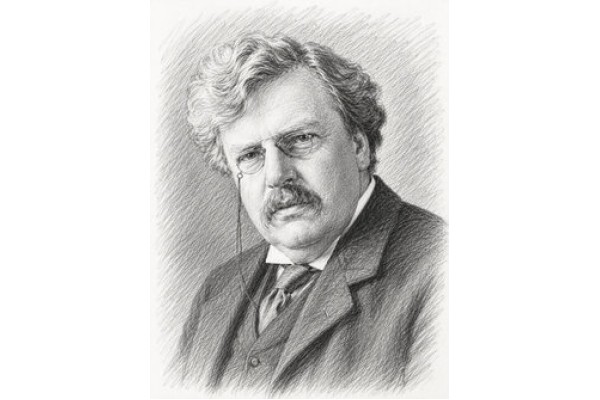
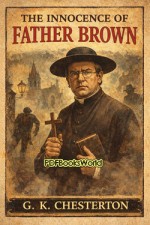
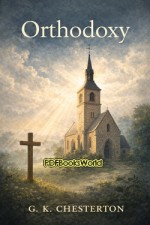
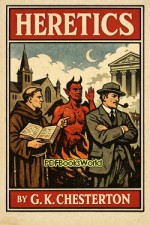
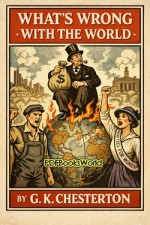
G. K. Chesterton, born Gilbert Keith Chesterton in 1874, was one of England's most brilliant essayists, novelists, poets, and literary critics. Renowned for his sharp wit, imaginative storytelling, and remarkable ability to express profound ideas with clarity and humor, Chesterton wrote on subjects ranging from philosophy and theology to history, politics, and literature. Explore G. K. Chesterton books to discover the author's life, literary career, and access notable works, including The Innocence of Father Brown, Orthodoxy, Heretics, What's Wrong with the World , and more.