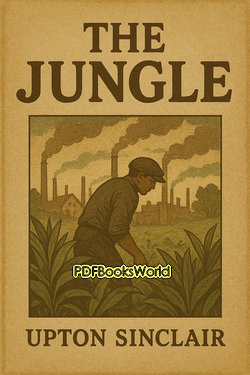
The Jungle
by Upton Sinclair
A Powerful Story About Poverty, Labor, and Industrial Society
The Jungle by Upton Sinclair is one of the most famous social protest novels in American literature. First published in 1906, the novel exposes the harsh working conditions, poverty, and exploitation faced by immigrant laborers in the meatpacking industry of Chicago.
The book shocked readers with its realistic descriptions of factory life and unsafe food production practices. Its impact extended far beyond literature, influencing public opinion and contributing to important reforms in food safety and labor conditions.
About Upton Sinclair
Upton Sinclair was an American writer and social reformer known for using fiction to criticize injustice and economic inequality. His works often focused on labor rights, political corruption, and the struggles of working-class people.
Read more about Upton Sinclair on Britannica.
Overview of the Novel
The story follows Jurgis Rudkus, a Lithuanian immigrant who moves to Chicago with hopes of building a better life for his family. Instead, he encounters poverty, dangerous working conditions, corruption, and exploitation within the industrial system.
As Jurgis struggles to survive, the novel reveals the difficult realities faced by immigrant workers in early twentieth-century America. Sinclair uses the story to criticize economic inequality and the lack of protection for laborers.
Main Themes in the Book
- Worker Exploitation – The novel exposes harsh labor conditions and unfair treatment of workers.
- Poverty and Survival – Families struggle against economic hardship and insecurity.
- Immigration and Hope – The story explores the challenges faced by immigrants seeking better opportunities.
- Social Reform – Sinclair calls attention to corruption and the need for political and economic change.
Why the Novel Became So Influential
The Jungle gained national attention because of its vivid descriptions of unsanitary conditions in the meatpacking industry. Public reaction to the book helped encourage government action, including reforms related to food inspection and consumer protection.
Although Sinclair intended to focus mainly on workers’ struggles, readers were especially disturbed by the descriptions of unsafe food production.
Explore the novel’s analysis at SparkNotes.
Writing Style and Realism
Sinclair’s writing style is direct, emotional, and realistic. His detailed descriptions of industrial life create a powerful sense of hardship and urgency throughout the novel.
The realistic portrayal of poverty and labor exploitation helped establish the book as an important example of American social realism.
Historical Importance of the Book
The Jungle played an important role in public discussions about labor rights, public health, and industrial reform during the Progressive Era in the United States.
The novel is still widely studied because of its influence on politics, journalism, and social reform movements.
Why Readers Still Study the Novel Today
Modern readers continue to study the book because many of its themes remain relevant. Discussions about worker rights, economic inequality, immigration, and corporate responsibility continue to shape modern society.
The novel is especially important for readers interested in history, politics, sociology, and American literature.
Lessons From The Jungle
The novel reminds readers of the importance of fair labor conditions, social responsibility, and government oversight. Sinclair’s work also highlights the human cost of unchecked industrial exploitation and economic inequality.
Final Thoughts
The Jungle remains one of the most influential social novels ever written because of its powerful storytelling and lasting political impact. Upton Sinclair created a work that not only exposed injustice but also inspired real social change. Readers interested in classic literature, labor history, or social reform may find this novel both eye-opening and unforgettable.
Similar Genres
About the Author
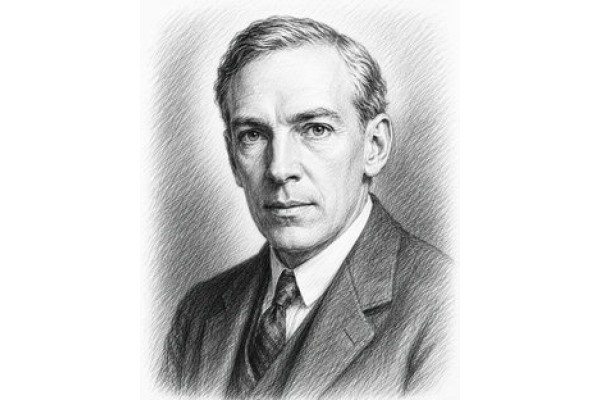
Upton Sinclair was one of America's most influential novelists and social reformers, using fiction as a powerful tool to expose injustice and inspire change. Born in Maryland in 1878, Sinclair devoted his literary career to examining the lives of ordinary people affected by poverty, industrialization, political corruption, and economic inequality. Explore Upton Sinclair books to discover the author's life, literary career, and access notable works, including The Brass Check - A Study of American Journalism, The Goose-step: A Study of American Education, The Cruise of the Training Ship, Good Health and How We Won It , and more.