Good Health and How We Won It
by Upton Sinclair
A Personal Exploration of Health and Well-Being
Good Health and How We Won It by Upton Sinclair is a nonfiction work that chronicles the author's search for improved physical health and a more balanced way of living. Drawing upon personal experiences, observations, and contemporary health ideas, Sinclair describes the methods he believed contributed to greater vitality and well-being. The book reflects the widespread interest in health reform movements that emerged during the early twentieth century.
Unlike a purely medical text, the work combines autobiography with practical advice. Sinclair presents his own struggles and successes as evidence that lifestyle choices can significantly influence physical condition, energy levels, and overall quality of life.
The result is both a personal narrative and a reflection of changing attitudes toward health during a period of social reform.
Upton Sinclair's Health Journey
Before becoming known primarily for his social and political writings, Sinclair devoted considerable attention to questions of personal health. In this book, he recounts his efforts to overcome physical difficulties and improve his well-being through changes in daily habits.
His experiences led him to explore a variety of health practices that were gaining popularity at the time. Rather than relying solely on conventional medical treatments, he became interested in preventive approaches and lifestyle-based solutions.
The book presents these discoveries as part of a broader effort to achieve a healthier and more productive life.
The Importance of Daily Habits
A central theme of the work is the belief that health is strongly influenced by everyday choices. Sinclair argues that individuals can improve their physical condition by paying careful attention to routine habits and personal discipline.
Topics discussed include:
- Nutrition and dietary practices.
- Physical activity and exercise.
- Rest and recovery.
- Cleanliness and healthy living environments.
Through these subjects, Sinclair emphasizes the connection between lifestyle and long-term well-being.
Health Reform in the Early Twentieth Century
The book emerged during a period when many people were questioning traditional approaches to health and exploring alternative methods of improving physical fitness. Nutrition, exercise, fresh air, and natural living became popular subjects of discussion.
Sinclair's work reflects this broader movement. He believed that many health problems could be prevented through education and better habits rather than treated only after illness developed.
This perspective aligned with a growing interest in public health and preventive care.
Personal Experience as Evidence
Rather than presenting himself as a physician or scientist, Sinclair relies heavily on personal experience. He describes the practices he adopted, the results he observed, and the conclusions he drew from his own efforts.
This autobiographical approach gives the book an accessible and conversational tone. Readers are invited to follow the author's journey and consider how similar principles might apply to their own lives.
The narrative style distinguishes the work from more technical health literature.
A Reflection of Its Time
Modern readers should recognize that some health recommendations found in early twentieth-century works may differ from contemporary medical understanding. Scientific knowledge of nutrition, disease prevention, and physical fitness has advanced significantly since Sinclair's era.
Nevertheless, the book remains valuable as a historical document. It reveals how health reformers viewed wellness and illustrates the growing public interest in preventive health practices during the period.
Its historical context is an important part of its significance.
The Enduring Appeal of Wellness Literature
Despite changes in medical science, many of the broader themes explored in the book continue to attract attention. Questions about healthy habits, balanced living, and personal responsibility for well-being remain relevant today.
Readers may find it interesting to compare Sinclair's ideas with modern approaches to health and fitness. The book highlights the longstanding human desire to improve quality of life through informed choices and self-care.
This enduring interest helps explain the work's continued appeal.
Final Thoughts
Good Health and How We Won It by Upton Sinclair is a fascinating blend of autobiography, health advocacy, and social commentary. Through his personal experiences and reflections on nutrition, exercise, and lifestyle, Sinclair offers a glimpse into the health reform movements of the early twentieth century and the search for better living through personal discipline and informed habits.
For readers interested in health history, wellness literature, social reform, and Upton Sinclair's broader body of work, this book provides an engaging and thought-provoking perspective on the pursuit of physical well-being.
Similar Genres
About the Author
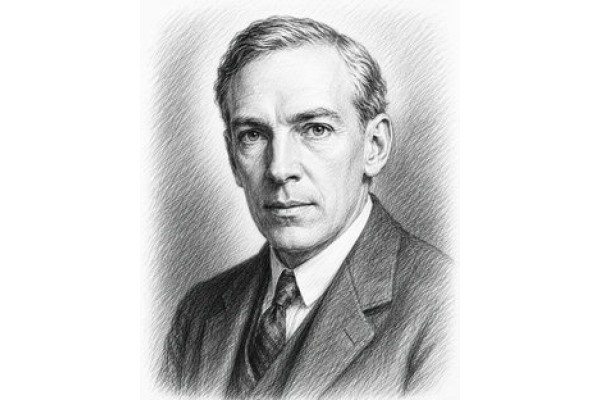
Upton Sinclair was one of America's most influential novelists and social reformers, using fiction as a powerful tool to expose injustice and inspire change. Born in Maryland in 1878, Sinclair devoted his literary career to examining the lives of ordinary people affected by poverty, industrialization, political corruption, and economic inequality. Explore Upton Sinclair books to discover the author's life, literary career, and access notable works, including The Jungle, The Brass Check - A Study of American Journalism, The Goose-step: A Study of American Education, The Cruise of the Training Ship , and more.