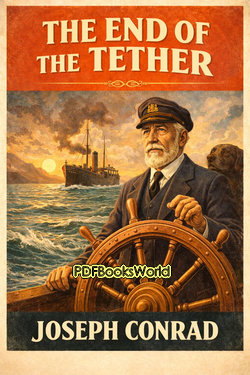
The End of the Tether
by Joseph Conrad
An Aging Sea Captain Faces Decline, Pride, and the Fear of Helplessness
The End of the Tether by Joseph Conrad is a deeply moving novella about aging, dignity, responsibility, and personal decline. Set within the maritime trading world Conrad knew intimately, the story follows an experienced ship captain struggling to preserve independence and professional pride while confronting physical weakness and emotional isolation.
Unlike dramatic adventure tales centered on youthful ambition, this novella focuses on exhaustion, endurance, and the painful awareness that time slowly removes control from even the strongest individuals.
Captain Whalley and a Life Nearing Its Limits
The central figure is Captain Henry Whalley, once a respected and capable sailor whose long career has earned him admiration throughout the trading world. Now older and financially burdened, he continues working at sea despite failing eyesight and growing physical difficulty.
Whalley hides the seriousness of his condition because losing command would mean losing both livelihood and personal dignity.
Driven partly by devotion to his daughter and partly by pride, he attempts to maintain control while the pressures around him steadily increase. Conrad portrays his struggle with remarkable sympathy and emotional restraint.
The People Surrounding Whalley’s Final Struggle
- Captain Henry Whalley
An aging sailor determined to preserve honor, responsibility, and independence despite physical decline. - Massy
A nervous and financially desperate ship owner whose anxieties create additional tension. - The Maritime Community
Sailors, traders, and associates shaped by economic pressure, uncertainty, and survival.
The emotional power of the novella comes not from dramatic action alone, but from quiet endurance and concealed suffering.
The Sea as a Measure of Human Frailty
Conrad once again uses the maritime world as both realistic setting and emotional symbol. The ocean represents discipline, labor, uncertainty, and the relentless passage of time.
For Whalley, the sea has been a lifelong source of identity and purpose. Yet it also becomes the place where his limitations can no longer remain hidden forever.
The novella’s atmosphere grows increasingly tense because readers understand the danger surrounding a captain losing the very abilities his profession demands.
Major Themes Within the Novella
- Aging and Decline
The story explores the emotional pain of losing strength, independence, and certainty. - Pride and Dignity
Whalley struggles to preserve self-respect while concealing vulnerability. - Responsibility and Sacrifice
Duty toward family and profession drives the captain to continue beyond safe limits. - Isolation and Endurance
Conrad portrays suffering as something often carried privately and silently.
One of Conrad’s Most Compassionate Works
The End of the Tether stands out for its emotional tenderness and psychological realism. Conrad treats Captain Whalley not as a tragic spectacle, but as a dignified human being confronting unavoidable decline with courage and restraint.
The novella avoids melodrama, allowing quiet details and emotional understatement to carry immense weight. Conrad’s understanding of aging feels especially humane and perceptive.
The maritime setting intensifies the emotional stakes because survival at sea depends so heavily upon physical ability and clear judgment.
Why the Story Still Resonates Deeply
Modern readers continue connecting strongly with The End of the Tether because its themes remain universal. Aging, fear of helplessness, financial pressure, and the desire to remain useful and respected are experiences shared across generations.
The novella also feels modern in its psychological subtlety. Conrad recognizes that dignity often survives not through dramatic heroism, but through quiet persistence under difficult circumstances.
For readers interested in literary sea fiction, emotionally restrained tragedy, and psychologically rich classics about aging and responsibility, this novella remains powerful, humane, and unforgettable.
Similar Genres
About the Author

Joseph Conrad brought a unique international perspective to English literature, drawing upon his experiences as a merchant sailor to craft stories of adventure, moral conflict, and human resilience. Born in present-day Ukraine to Polish parents in 1857, he did not learn English fluently until adulthood, yet he went on to become one of the language's most admired novelists. Explore Joseph Conrad books to discover the author's life, literary career, and access notable works, including Heart of Darkness, The Secret Agent - A Simple Tale, Lord Jim, Nostromo - A Tale of the Seaboard , and more.