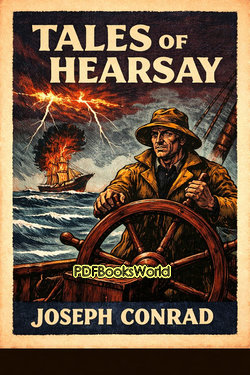
Tales Of Hearsay
by Joseph Conrad
Stories Passed Through Memory, Rumor, and Human Experience
Tales of Hearsay by Joseph Conrad is a collection of stories shaped by recollection, indirect narration, and the uncertain nature of truth itself. Rather than presenting events with complete clarity or certainty, Conrad allows many of these tales to emerge through conversation, rumor, secondhand memory, and personal interpretation.
This approach gives the collection an atmosphere that feels intimate, mysterious, and psychologically layered. The stories are less concerned with simple facts than with the emotional impressions left behind by human experience.
A Collection Built Around Recounted Experience
The volume gathers several narratives involving sailors, wanderers, isolated individuals, and morally conflicted characters whose lives are described through remembered anecdotes and reconstructed events.
Conrad frequently frames the stories as accounts told from one person to another, emphasizing the instability of memory and the difficulty of knowing the full truth about any human life.
The result is a collection where storytelling itself becomes part of the subject matter.
Readers are invited not only to follow the events, but also to question how stories change as they pass between different voices and perspectives.
The Human Figures Appearing Across the Collection
- Sailors and Travelers
Characters shaped by isolation, hardship, and uncertain moral circumstances. - Observers and Storytellers
Narrators attempting to interpret events they only partly understand. - Emotionally Troubled Individuals
People burdened by guilt, fear, regret, obsession, or loneliness. - Outsiders and Wanderers
Figures existing on the edges of ordinary society and emotional stability.
Conrad’s characters rarely appear fully knowable, even to themselves.
The Uncertainty of Truth
One of the defining qualities of Tales of Hearsay is its emphasis on ambiguity. Details remain incomplete, motives uncertain, and memories potentially unreliable.
Conrad suggests that human beings often experience life through fragments, impressions, and interpretations rather than objective certainty. This uncertainty gives the stories emotional realism and psychological depth.
Silence, omission, and misunderstanding become as important as direct explanation.
Recurring Themes Throughout the Collection
- Memory and Storytelling
The stories examine how personal experience becomes transformed through retelling and recollection. - Moral Ambiguity
Characters frequently inhabit situations where right and wrong become emotionally complicated. - Isolation and Emotional Distance
Many individuals struggle to connect fully with others or communicate honestly. - The Fragility of Human Understanding
Conrad repeatedly questions whether people can ever completely know one another.
Conrad’s Reflective and Atmospheric Style
Tales of Hearsay demonstrates Conrad’s mastery of indirect narration and emotional atmosphere. His prose moves carefully through memory and reflection, often revealing emotional truth gradually rather than immediately.
The settings, whether maritime, colonial, or domestic, remain filled with tension, uncertainty, and psychological weight. Conrad’s interest lies not merely in events themselves, but in how those events linger within human consciousness afterward.
This reflective quality gives the collection unusual emotional resonance.
Why Readers Still Find the Collection Fascinating
Modern readers continue appreciating Tales of Hearsay because its concerns remain strikingly contemporary. Questions involving unreliable memory, subjective truth, emotional isolation, and the complexity of human motives still shape modern storytelling and psychology.
The collection also feels modern because it resists simple narrative certainty. Conrad understands that human lives are often confusing, fragmented, and impossible to fully explain.
For readers interested in literary short fiction, psychologically rich narration, and atmospheric modern classics, this collection remains subtle, haunting, and deeply rewarding.
Similar Genres
About the Author
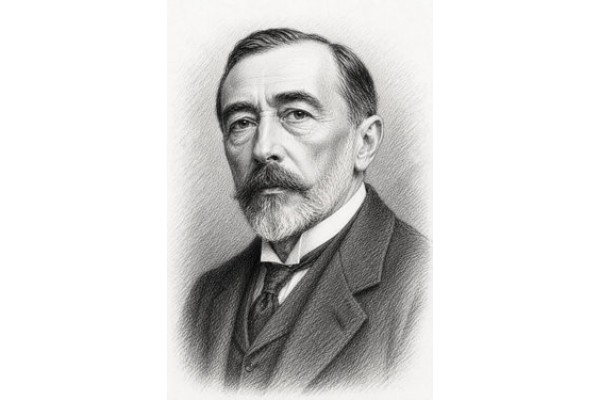
Joseph Conrad brought a unique international perspective to English literature, drawing upon his experiences as a merchant sailor to craft stories of adventure, moral conflict, and human resilience. Born in present-day Ukraine to Polish parents in 1857, he did not learn English fluently until adulthood, yet he went on to become one of the language's most admired novelists. Explore Joseph Conrad books to discover the author's life, literary career, and access notable works, including Heart of Darkness, The Secret Agent - A Simple Tale, Lord Jim, Nostromo - A Tale of the Seaboard , and more.