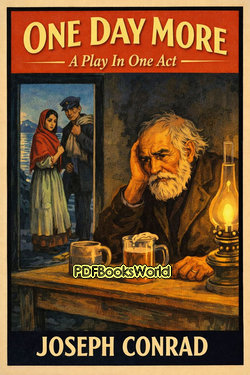
One Day More - A Play In One Act
by Joseph Conrad
A Brief Drama of Love, Sacrifice, and Human Frailty
One Day More: A Play in One Act by Joseph Conrad is a compact yet emotionally charged dramatic work exploring loyalty, emotional exhaustion, sacrifice, and the desperate hope for a little more time before loss becomes unavoidable. Though much shorter than Conrad’s major novels, the play still carries his characteristic atmosphere of tension, moral uncertainty, and psychological depth.
The action unfolds through intimate dialogue and emotional confrontation rather than large dramatic spectacle. Conrad focuses closely on the emotional pressures shaping ordinary human decisions.
A Story Built Around Delay and Emotional Urgency
The play centers on characters facing a difficult emotional situation where separation, disappointment, or irreversible change appears imminent. Against this pressure, the desire expressed in the title, “one day more,” becomes deeply symbolic.
It represents the human longing to postpone loss, preserve hope, or delay painful reality just a little longer.
As conversations unfold, hidden emotions gradually surface. Characters attempt to balance honesty, affection, resentment, and personal dignity while confronting circumstances they cannot fully control.
The tension grows not from external action, but from emotional hesitation and the fear of finality.
The Emotional Forces Driving the Play
- The Central Figures
Individuals struggling with attachment, regret, and the emotional cost of difficult choices. - Relationships Under Pressure
Affection and loyalty become complicated by time, uncertainty, and personal weakness. - The Presence of Loss
Even before separation occurs, the fear of it shapes every interaction.
Conrad keeps the cast and setting limited, allowing emotional atmosphere to dominate the drama.
A Quiet but Intense Psychological Atmosphere
Although written for the stage, the play feels deeply psychological. Conrad emphasizes pauses, emotional restraint, and indirect communication rather than dramatic speeches or theatrical action.
The characters often struggle to express themselves fully, creating emotional tension through silence and incomplete understanding.
This restraint gives the play realism and emotional subtlety.
Important Themes Within the Work
- The Fear of Final Separation
Characters cling emotionally to the possibility of postponing loss. - Human Weakness and Vulnerability
Conrad portrays emotional uncertainty with sympathy and realism. - Time and Emotional Pressure
The limited nature of time intensifies every conversation and decision. - Love and Sacrifice
Affection becomes inseparable from pain, compromise, and emotional endurance.
Conrad Writing for the Stage
One Day More offers an interesting example of Conrad adapting his literary style to dramatic form. While shorter and more concentrated than his novels, the play still reflects his fascination with moral tension and emotional complexity.
The dialogue carries layers of meaning beneath ordinary conversation, much like the interactions found throughout his fiction. Conrad avoids simplistic emotional resolution, allowing ambiguity and emotional uncertainty to remain central.
The result feels intimate, restrained, and quietly tragic.
Why the Play Still Holds Emotional Power
Modern readers and audiences continue responding to One Day More because its emotional core remains universal. The desire for more time, another chance, or a delayed goodbye is deeply human and timeless.
The play also feels modern in its psychological realism and understated emotional style. Conrad recognizes that some of life’s most painful moments happen not through dramatic catastrophe, but through quiet realization and emotional exhaustion.
For readers interested in literary drama, emotionally restrained tragedy, and psychologically subtle storytelling, this play remains thoughtful, intimate, and moving.
Similar Genres
About the Author
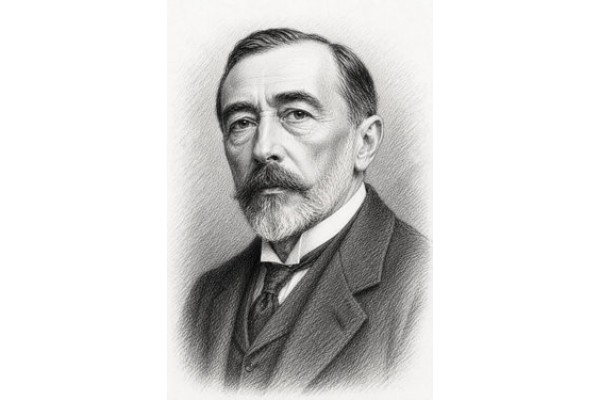
Joseph Conrad brought a unique international perspective to English literature, drawing upon his experiences as a merchant sailor to craft stories of adventure, moral conflict, and human resilience. Born in present-day Ukraine to Polish parents in 1857, he did not learn English fluently until adulthood, yet he went on to become one of the language's most admired novelists. Explore Joseph Conrad books to discover the author's life, literary career, and access notable works, including Heart of Darkness, The Secret Agent - A Simple Tale, Lord Jim, Nostromo - A Tale of the Seaboard , and more.