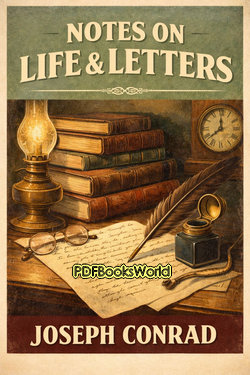
Notes on Life & Letter
by Joseph Conrad
Joseph Conrad Reflects on Writing, Memory, Politics, and Human Nature
Notes on Life & Letters by Joseph Conrad is a wide-ranging collection of essays, reflections, and literary commentary that reveals the author’s thoughts on art, history, politics, travel, war, and the craft of writing itself. Unlike his fiction, these pieces allow readers to encounter Conrad’s ideas directly through a voice that is thoughtful, analytical, and deeply personal.
The collection moves between literary criticism, autobiographical memory, and philosophical reflection, offering insight into both Conrad’s worldview and the intellectual atmosphere of his era.
A Writer Observing the World Around Him
Throughout the essays, Conrad reflects on major subjects that shaped both his life and his fiction. He writes about fellow authors, the responsibilities of artists, the realities of political conflict, and the emotional impact of historical change.
Many pieces carry the perspective of someone who has lived across multiple cultures and political systems. Conrad’s background as a Polish-born sailor writing in English gives his observations unusual depth and complexity.
His reflections often balance skepticism with moral seriousness.
The Subjects Filling the Collection
- Literature and the Writing Process
Conrad discusses storytelling, artistic discipline, and the responsibilities of serious fiction. - Politics and History
The essays examine revolution, imperial power, war, and political instability. - Memory and Personal Experience
Conrad reflects on his maritime life, travels, and intellectual development. - Human Character
Many passages explore courage, weakness, loyalty, fear, and moral uncertainty.
The variety of topics allows the collection to feel both intellectually broad and emotionally intimate.
A Voice That Is Reflective Rather Than Fictional
One of the most fascinating aspects of Notes on Life & Letters is the opportunity to hear Conrad speaking more directly than in his novels. While his fiction often hides meaning beneath symbolism and complex narration, these essays reveal his thoughts more openly.
Even so, Conrad’s style remains richly layered and philosophical. He rarely offers simple answers or rigid conclusions, preferring instead to explore ambiguity and emotional complexity.
His prose combines elegance with intellectual seriousness.
Ideas Repeated Across the Essays
- The Moral Responsibility of Art
Conrad believed literature should reveal emotional and moral truth rather than provide simple entertainment. - The Fragility of Civilization
Political violence and historical upheaval repeatedly appear as threats to human dignity and order. - Experience and Self-Knowledge
Personal struggle and hardship become essential sources of understanding. - Skepticism Toward Ideology
Conrad often questions political fanaticism and simplistic moral certainty.
A Window Into Conrad’s Intellectual World
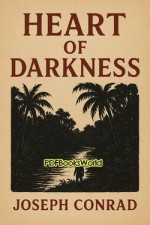
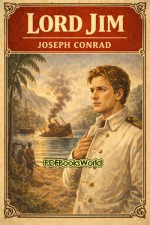
The collection serves as an important companion to Conrad’s fiction because many of the ideas explored here also shape novels such as Lord Jim, Under Western Eyes, and Heart of Darkness.
Readers gain a clearer sense of Conrad’s attitudes toward empire, human weakness, artistic responsibility, and political extremism. The essays reveal a writer deeply concerned with moral complexity and emotional honesty.
They also demonstrate his extraordinary ability to blend personal experience with philosophical reflection.
Why the Collection Remains Important
Modern readers continue valuing Notes on Life & Letters because its concerns still feel relevant today. Questions about political instability, artistic responsibility, truth, propaganda, and human behavior remain deeply connected to modern society.
The collection also appeals because of Conrad’s intellectual independence. He resists easy optimism and simplistic ideology, choosing instead to confront uncertainty directly.
For readers interested in literary essays, cultural reflection, and the ideas behind Conrad’s fiction, this collection remains thoughtful, challenging, and deeply rewarding.
Similar Genres
About the Author
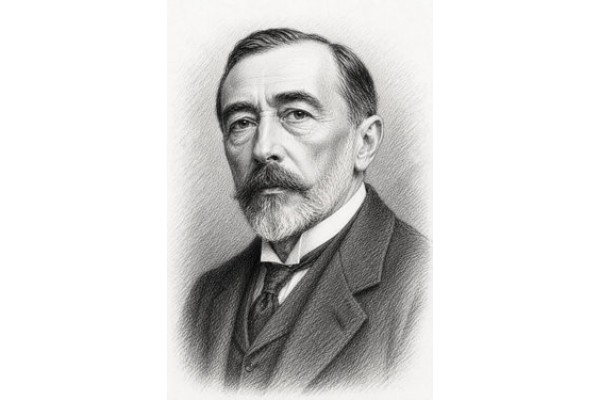
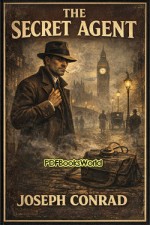
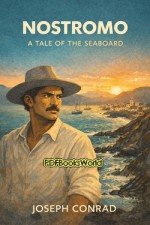
Joseph Conrad brought a unique international perspective to English literature, drawing upon his experiences as a merchant sailor to craft stories of adventure, moral conflict, and human resilience. Born in present-day Ukraine to Polish parents in 1857, he did not learn English fluently until adulthood, yet he went on to become one of the language's most admired novelists. Explore Joseph Conrad books to discover the author's life, literary career, and access notable works, including Heart of Darkness, The Secret Agent - A Simple Tale, Lord Jim, Nostromo - A Tale of the Seaboard , and more.