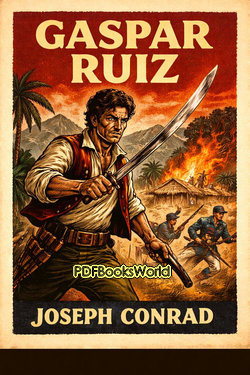
Gaspar Ruiz
by Joseph Conrad
War, Loyalty, and the Tragic Fate of a Powerful Outsider
Gaspar Ruiz by Joseph Conrad is a dramatic historical tale set during the violent wars of independence in South America. Combining political conflict with psychological depth, the story follows a physically powerful but emotionally simple man whose life becomes shaped by war, shifting loyalties, and forces far beyond his understanding.
Though shorter than many of Conrad’s major works, the story carries intense emotional and moral weight. Conrad transforms military struggle into a meditation on fate, identity, and human vulnerability within chaotic historical change.
A Giant Caught Between Opposing Armies
Gaspar Ruiz is introduced as a strong and quiet rural laborer living in a land torn apart by revolution and civil conflict. Because of his enormous physical strength, he becomes valuable to competing military factions fighting for control.
Yet Gaspar himself remains largely indifferent to political ideology.
He is repeatedly captured, forced into service, punished, and manipulated by larger political forces that view him more as a tool than as an individual.
As war continues reshaping the country around him, Gaspar struggles to preserve loyalty, affection, and personal dignity within a brutal and unstable world.
The Figures Surrounding Gaspar’s Tragic Journey
- Gaspar Ruiz
A physically powerful but emotionally straightforward man trapped within violent political conflict. - Military Leaders and Revolutionaries
Figures driven by ambition, ideology, and the shifting demands of war. - The Woman Connected to Gaspar’s Personal Life
A source of emotional attachment and fragile human connection amid violence.
Conrad presents these relationships with sympathy while emphasizing the destructive unpredictability of war.
History as a Force Beyond Individual Control
One of the story’s most striking qualities is its portrayal of historical conflict as something overwhelming and impersonal. Gaspar is neither a grand hero nor a committed revolutionary. Instead, he becomes swept along by events he cannot fully influence or understand.
Conrad suggests that ordinary individuals often suffer most deeply during periods of political upheaval because they possess little control over the violent systems surrounding them.
The emotional tragedy emerges from this imbalance between personal humanity and historical chaos.
Major Themes Within the Story
- War and Human Suffering
Political conflict destroys stability and reduces individuals to instruments of violence. - Loyalty and Betrayal
Characters struggle to maintain personal loyalty within unstable political circumstances. - Fate and Powerlessness
Gaspar’s life becomes shaped by forces larger than his own desires or intentions. - Strength and Vulnerability
Despite his physical power, Gaspar remains emotionally and socially fragile.
Conrad’s Historical and Psychological Vision
Gaspar Ruiz demonstrates Conrad’s ability to combine historical conflict with intimate psychological observation. The story contains battles, military tension, and dramatic reversals, yet its emotional core remains deeply personal.
Conrad avoids romanticizing revolution or warfare. Instead, he portrays political violence as chaotic, morally uncertain, and emotionally destructive.
The atmosphere remains tense and melancholic throughout, shaped by fatalism and emotional loss.
Why the Story Still Feels Powerful Today
Modern readers continue finding Gaspar Ruiz compelling because its themes remain deeply relevant. Political instability, civil conflict, manipulation by powerful institutions, and the suffering of ordinary people continue shaping history around the world.
The story also feels modern in its psychological realism. Conrad understands how individuals can become trapped within systems and events they never truly chose.
For readers interested in historical fiction, political storytelling, and psychologically complex literary classics, this tale remains moving, intense, and unforgettable.
Similar Genres
About the Author
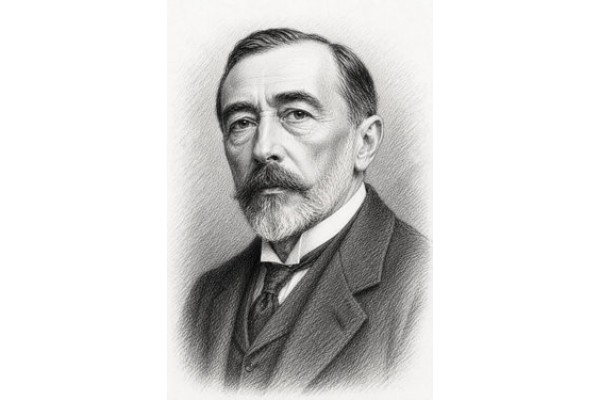
Joseph Conrad brought a unique international perspective to English literature, drawing upon his experiences as a merchant sailor to craft stories of adventure, moral conflict, and human resilience. Born in present-day Ukraine to Polish parents in 1857, he did not learn English fluently until adulthood, yet he went on to become one of the language's most admired novelists. Explore Joseph Conrad books to discover the author's life, literary career, and access notable works, including Heart of Darkness, The Secret Agent - A Simple Tale, Lord Jim, Nostromo - A Tale of the Seaboard , and more.