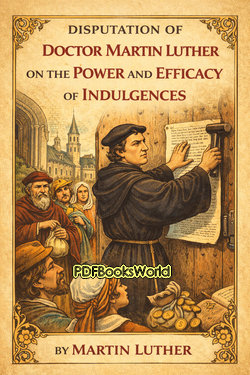
Disputation of Doctor Martin Luther on the Power and Efficacy of Indulgences
by Martin Luther
Indulgences, Religious Reform, and the Beginning of the Protestant Reformation
Disputation of Doctor Martin Luther on the Power and Efficacy of Indulgences by Martin Luther, commonly known as the Ninety-Five Theses, is one of the most influential documents in Christian and European history. Published in 1517, the work challenged the sale and misuse of indulgences within the Roman Catholic Church and became the symbolic starting point of the Protestant Reformation.
Luther presents the document as a series of theological propositions intended for academic debate, but its arguments quickly spread throughout Europe and ignited widespread religious controversy and reform.
The Controversy Over Indulgences
The theses focus upon the practice of selling indulgences, certificates claimed to reduce punishment for sins through the authority of the Church. Luther strongly criticizes the idea that spiritual forgiveness or salvation could be connected to financial payment or commercial activity.
He argues that genuine repentance, inner faith, and sincere spiritual transformation matter far more than external transactions or ceremonial guarantees.
Rather than rejecting Christianity itself, the work calls for reform within the Church and a return to what Luther viewed as authentic biblical teaching.
The volume reflects deep tensions within late medieval Christianity concerning authority, salvation, corruption, and the interpretation of scripture.
Its tone combines theological seriousness with moral urgency and intellectual challenge.
Repentance and Spiritual Authenticity
A major theme throughout the document is that true repentance involves inward spiritual change rather than outward religious performance alone.
Luther repeatedly emphasizes that forgiveness comes from God’s grace and sincere faith rather than from purchased indulgences or institutional claims of spiritual power.
The work also questions whether Church authorities possess the right to guarantee release from divine punishment through financial exchange.
This challenge to established religious practices became one of the central issues driving the Reformation movement.
Theological and Historical Themes Explored Throughout the Work
- Indulgences and Church Authority: Luther questions the theological justification for selling spiritual benefits.
- Repentance and Faith: Genuine spiritual transformation is presented as inward and sincere.
- Grace and Salvation: Divine forgiveness is emphasized over financial or ceremonial systems.
- Religious Reform and Scriptural Authority: The work reflects calls for Christianity grounded more directly in biblical teaching.
- The Origins of the Protestant Reformation: The theses helped initiate major religious and political changes across Europe.
The document became one of the foundational texts of Protestant Christianity.
The Challenge to Religious Corruption
One of the work’s strongest ideas is that religious institutions must remain accountable to spiritual truth and moral integrity.
Luther repeatedly demonstrates concern that indulgence preaching encouraged false security and distracted believers from genuine repentance and faith.
The document also reveals growing frustration with abuses of religious authority during the late medieval period.
This moral and theological challenge transformed not only religious life, but also politics, education, and European society.
Martin Luther’s Direct and Confrontational Style
Disputation on the Power and Efficacy of Indulgences demonstrates Martin Luther’s powerful ability to combine theological argument with moral conviction and public challenge.
The writing remains concise, forceful, and strongly focused upon exposing what Luther believed were dangerous spiritual errors and abuses.
Luther consistently appeals to scripture, conscience, and authentic repentance as the true foundations of Christian life.
Why the Work Still Holds Historical and Religious Importance
Modern readers continue finding Disputation of Doctor Martin Luther on the Power and Efficacy of Indulgences historically transformative because it helped launch the Protestant Reformation, one of the defining events of European history.
The work also provides insight into the religious tensions, institutional criticisms, and theological debates that reshaped Christianity during the sixteenth century.
Its discussions of repentance, authority, grace, and reform continue influencing theology, church history, and studies of religious freedom today.
For readers interested in Christianity, Reformation history, theology, European history, religious reform, church doctrine, and the development of Protestantism, this work remains historically revolutionary, spiritually influential, and intellectually enduring.
Similar Genres
About the Author
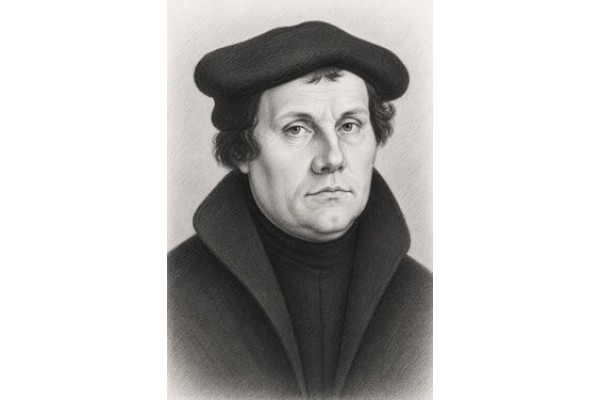
Martin Luther was a German theologian, scholar, and reformer whose ideas transformed Christianity and profoundly influenced the course of European history. Born in Eisleben in 1483, Luther initially pursued a career in law before entering a monastery and dedicating his life to religious study. Explore Martin Luther books to discover the author's life, literary career, and access notable works, including Commentary on the Epistle to the Galatians, Concerning Christian Liberty, A Treatise on Good Works, Selections from the Table Talk of Martin Luther , and more.