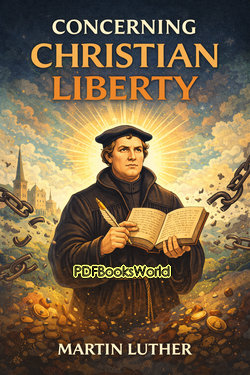
Concerning Christian Liberty
by Martin Luther
Faith, Freedom, and the Spiritual Liberty of the Christian Believer
Concerning Christian Liberty by Martin Luther is one of the central theological writings of the Protestant Reformation, exploring the relationship between faith, salvation, grace, and the spiritual freedom of Christians. Written in 1520 during a period of intense religious conflict, the work presents Luther’s developing understanding of justification by faith and the believer’s freedom from dependence upon external religious works for salvation.
Luther presents Christian liberty as an inward spiritual condition grounded in faith and divine grace rather than political freedom or unrestricted personal independence.
The Freedom of the Christian Soul
The book famously argues that a Christian is spiritually free through faith while also called to loving service toward others. Luther explains that faith unites the believer with Christ and frees the soul from fear, guilt, and reliance upon legalistic religious systems.
He insists that salvation cannot be earned through ceremonies, rituals, or human effort alone, but comes through trust in God’s grace.
Rather than rejecting good works entirely, the work teaches that acts of kindness and service naturally flow from genuine faith rather than functioning as the cause of salvation.
The volume reflects the major theological debates of the early Reformation concerning authority, grace, scripture, and the nature of Christian life.
Its tone combines theological reasoning with spiritual encouragement and moral seriousness.
Faith and Good Works
A major theme throughout the book is the distinction between inward faith and outward works.
Luther repeatedly explains that good works are valuable expressions of love and obedience, but they cannot justify the soul before God.
The work emphasizes that true faith transforms the believer inwardly, leading naturally to compassion, humility, and service toward neighbors.
This balance between spiritual freedom and moral responsibility became a defining principle of Lutheran theology.
Theological Themes Explored Throughout the Work
- Justification by Faith: Luther explains salvation as dependent upon faith and divine grace rather than human merit.
- Christian Liberty: Spiritual freedom is presented as liberation from fear, guilt, and legalistic religion.
- Faith and Good Works: Loving action flows naturally from genuine faith but does not earn salvation.
- The Inner and Outer Life of the Christian: The soul’s relationship with God shapes outward conduct and service.
- Grace and Divine Mercy: God’s forgiveness and compassion stand at the center of Christian hope.
The work became one of the foundational theological texts of the Protestant Reformation.
The Paradox of Christian Freedom
One of the work’s strongest ideas is the paradox that Christians are spiritually free before God while willingly becoming servants to others through love.
Luther repeatedly demonstrates that genuine freedom does not produce selfishness, but rather encourages humility, compassion, and faithful service.
The book also reveals Luther’s deep concern with conscience, spiritual anxiety, and the search for certainty in salvation.
This inward spiritual focus helped reshape Protestant ideas concerning faith and personal religious experience.
Martin Luther’s Passionate Theological Style
Concerning Christian Liberty demonstrates Martin Luther’s remarkable ability to combine scriptural interpretation, theological argument, and emotional conviction into clear and persuasive religious writing.
The prose remains direct, energetic, and strongly focused upon defending the believer’s confidence in God’s grace and spiritual freedom.
Luther consistently presents scripture and faith as the ultimate foundations of Christian life.
Why the Book Still Holds Religious and Historical Importance
Modern readers continue finding Concerning Christian Liberty important because it expresses many of the central theological principles that shaped Protestant Christianity and the Reformation.
The work also provides insight into sixteenth-century religious debates concerning salvation, church authority, conscience, and spiritual freedom.
Its discussions of faith, grace, liberty, and moral responsibility continue influencing theology, ethics, and Christian spirituality today.
For readers interested in Christianity, Reformation history, theology, religious philosophy, Protestant thought, spiritual autobiography, and the history of religious reform, this work remains spiritually influential, historically transformative, and intellectually enduring.
Similar Genres
About the Author
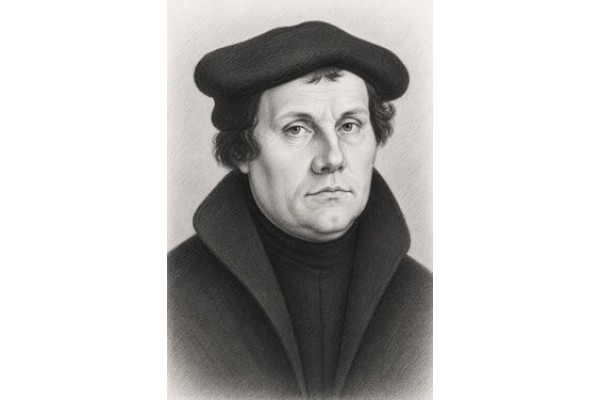
Martin Luther was a German theologian, scholar, and reformer whose ideas transformed Christianity and profoundly influenced the course of European history. Born in Eisleben in 1483, Luther initially pursued a career in law before entering a monastery and dedicating his life to religious study. Explore Martin Luther books to discover the author's life, literary career, and access notable works, including Commentary on the Epistle to the Galatians, Disputation of Doctor Martin Luther on the Power and Efficacy of Indulgences, A Treatise on Good Works, Selections from the Table Talk of Martin Luther , and more.