A Treatise on Good Works
by Martin Luther
Faith, Morality, and the Christian Life in Reformation Theology
A Treatise on Good Works by Martin Luther is an important theological work exploring the relationship between faith, morality, obedience, and Christian conduct. Written in 1520 during the early years of the Protestant Reformation, the book explains Luther’s belief that genuine good works arise naturally from true faith rather than serving as a means of earning salvation.
Luther presents Christian morality not as a system of outward religious performances designed to gain divine favor, but as the living expression of inward faith and trust in God.
The Relationship Between Faith and Good Works
The central argument of the treatise is that faith stands above all outward works because faith unites the believer with God and produces genuine righteousness within the soul.
Luther insists that human beings cannot achieve salvation through charitable acts, rituals, pilgrimages, fasting, or religious ceremonies alone. Instead, he argues that good works become meaningful only when they proceed from sincere faith and love.
Rather than rejecting moral behavior, the work teaches that authentic faith naturally transforms conduct and inspires acts of kindness, obedience, and service.
The volume reflects Luther’s broader theological challenge to late medieval religious practices and his emphasis upon justification by faith.
Its tone combines scriptural teaching with moral instruction and pastoral guidance.
The Ten Commandments and Christian Duty
A major theme throughout the book is Luther’s interpretation of the Ten Commandments as guides for daily Christian living.
He explains that true obedience involves inward trust, reverence, honesty, humility, and love rather than mere outward conformity to rules.
The work repeatedly emphasizes duties toward family, neighbors, society, and God while presenting ordinary responsibilities as important expressions of faith.
This practical moral focus helped shape Protestant ideas concerning vocation, ethics, and everyday religious life.
Theological and Moral Themes Explored Throughout the Work
- Faith and Salvation: Luther explains that salvation comes through faith and divine grace rather than human merit.
- Good Works and Moral Conduct: Genuine works arise naturally from sincere faith and spiritual transformation.
- The Ten Commandments: Christian ethics are grounded in obedience, trust, and love.
- Christian Duty and Everyday Life: Ordinary responsibilities become opportunities for faithful service.
- Grace and Inner Spiritual Renewal: Inward transformation matters more than external religious display.
The work became one of the influential moral and devotional texts of the Protestant Reformation.
The Spiritual Meaning of Everyday Actions
One of the work’s strongest ideas is that ordinary acts performed with faith and love possess genuine spiritual value.
Luther repeatedly demonstrates that caring for family, serving neighbors, working honestly, and acting compassionately are meaningful forms of Christian obedience.
The treatise also challenges the idea that holiness belongs only to monks, priests, or religious specialists.
This broader understanding of vocation and moral life became an important feature of Protestant spirituality.
Martin Luther’s Pastoral and Educational Style
A Treatise on Good Works demonstrates Martin Luther’s ability to combine theological argument with practical moral instruction suitable for ordinary believers.
The writing remains direct, instructional, and strongly focused upon helping readers understand how faith shapes daily conduct and spiritual life.
Luther consistently presents scripture and conscience as central guides for Christian morality and personal responsibility.
Why the Book Still Holds Religious and Historical Importance
Modern readers continue finding A Treatise on Good Works important because it explains key Reformation ideas concerning faith, morality, and the Christian life in accessible language.
The work also provides insight into sixteenth-century religious reform and the transformation of Christian ethics during the Protestant movement.
Its discussions of faith, duty, morality, vocation, and spiritual sincerity continue influencing theology and Christian thought today.
For readers interested in Christianity, Reformation history, Protestant theology, ethics, devotional literature, religious philosophy, and the history of Christian teaching, this work remains spiritually influential, historically significant, and morally thoughtful.
Similar Genres
About the Author
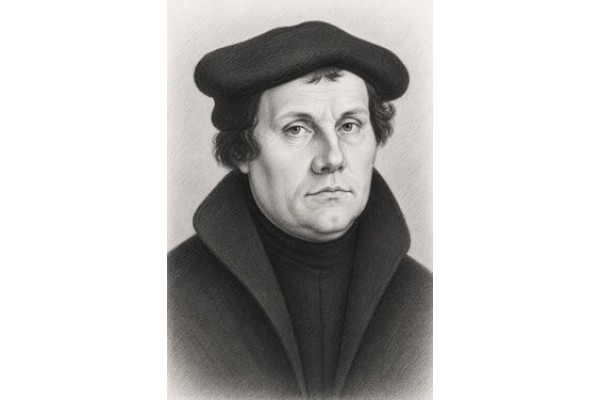
Martin Luther was a German theologian, scholar, and reformer whose ideas transformed Christianity and profoundly influenced the course of European history. Born in Eisleben in 1483, Luther initially pursued a career in law before entering a monastery and dedicating his life to religious study. Explore Martin Luther books to discover the author's life, literary career, and access notable works, including Commentary on the Epistle to the Galatians, Disputation of Doctor Martin Luther on the Power and Efficacy of Indulgences, Concerning Christian Liberty, Selections from the Table Talk of Martin Luther , and more.