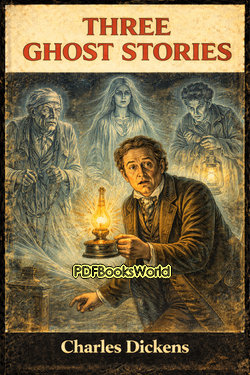
Three Ghost Stories
by Charles Dickens
Strange Encounters From the Master of Victorian Storytelling
Three Ghost Stories by Charles Dickens brings together supernatural tales filled with mystery, suspense, and emotional depth. Known primarily for his social novels and memorable characters, Dickens also had a strong fascination with ghost stories and the darker side of human imagination. In these stories, he combines eerie settings with psychological tension and moral reflection.
Rather than relying only on frightening events, Dickens uses supernatural elements to explore guilt, loneliness, fear, and human behavior. The stories carry both entertainment and deeper emotional meaning, which helped make his ghost fiction popular during the Victorian era.
The Victorian Love for Ghost Stories
During the nineteenth century, ghost stories became a popular form of entertainment, especially during winter gatherings and Christmas celebrations. Readers enjoyed tales involving haunted houses, mysterious strangers, and unexplained events.
Dickens became one of the writers who helped shape this tradition. His supernatural fiction often focused as much on atmosphere and emotion as on ghosts themselves.
A Blend of Suspense and Human Emotion
One of the strengths of Three Ghost Stories is the way Dickens balances mystery with emotional storytelling. The supernatural events usually reveal something important about the characters’ fears, regrets, or personal struggles.
The ghostly elements create tension, but the emotional and psychological reactions of the characters remain at the center of the stories.
Characters
- Individuals haunted by fear, memory, or guilt
- Mysterious figures connected to supernatural events
- Characters struggling with isolation and uncertainty
- Ordinary people placed in strange and unsettling situations
- Personalities shaped by Victorian social values and anxieties
The characters reflect Dickens’s talent for portraying emotional complexity even within short supernatural tales.
Themes
- The influence of guilt and memory on the mind
- The fear of the unknown and supernatural
- Loneliness and emotional isolation
- The connection between morality and consequence
- The thin boundary between reality and imagination
These themes give the stories lasting emotional and literary appeal beyond simple horror.
Dickens’s Atmospheric Writing Style
Charles Dickens creates vivid scenes filled with foggy streets, dimly lit rooms, silence, and suspense. His descriptions build tension gradually, allowing readers to feel the growing unease experienced by the characters.
The writing combines dramatic storytelling with detailed observation, making the supernatural events feel believable within everyday settings.
Why These Stories Continue to Fascinate Readers
Three Ghost Stories remains enjoyable because it combines classic ghostly suspense with strong emotional storytelling. Dickens uses supernatural fiction not only to entertain but also to explore human fears and moral conflict.
For readers who enjoy Victorian literature, psychological suspense, and classic ghost tales, the collection offers an engaging glimpse into the darker and more mysterious side of Charles Dickens’s imagination.
Similar Genres
About the Author
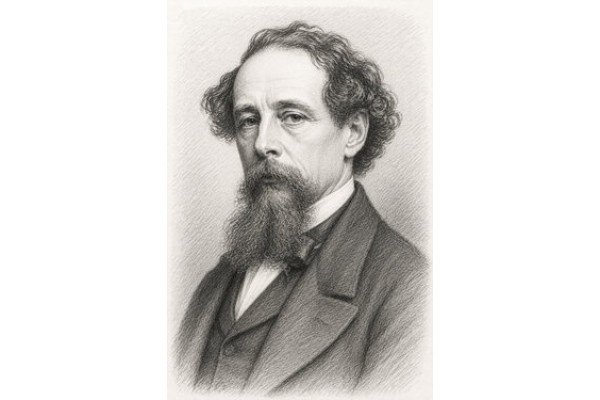
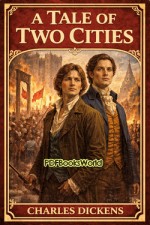
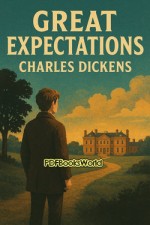
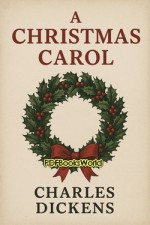
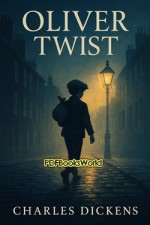
Charles Dickens transformed the Victorian novel into a powerful reflection of everyday life, giving a voice to the poor, the forgotten, and the disadvantaged. Born in Portsmouth, England, in 1812, he experienced financial hardship during his childhood, an experience that deeply influenced his writing. Explore Charles Dickens books to discover the author's life, literary career, and access notable works, including A Tale of Two Cities, Great Expectations, A Christmas Carol, Oliver Twist , and more.