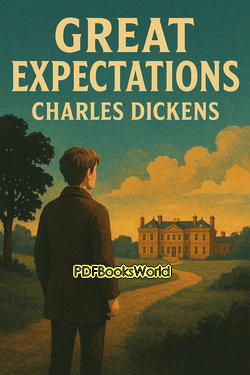
Great Expectations
by Charles Dickens
A Timeless Journey of Ambition, Love, and Personal Growth in Victorian England
Introduction
Great Expectations by Charles Dickens is one of the most celebrated novels in English literature. First published in 1861, the novel combines memorable characters, emotional storytelling, and sharp social commentary to create a powerful coming-of-age story that continues to captivate readers around the world.
Filled with mystery, ambition, romance, and unexpected twists, the novel explores how wealth and social status can shape a person’s dreams and identity.
Overview of The Story
The story follows Pip, an orphan boy raised by his strict sister and her kind-hearted husband Joe Gargery. Pip’s life changes dramatically after a series of mysterious events introduce him to the wealthy and eccentric Miss Havisham and her beautiful but cold-hearted ward, Estella.
When Pip suddenly receives a fortune from an unknown benefactor, he travels to London believing he is destined for a life of wealth and sophistication. As he pursues his “great expectations,” Pip gradually learns difficult truths about class, loyalty, love, and personal integrity.
Why Readers Still Love Great Expectations
1. Memorable Characters
Charles Dickens created unforgettable characters whose personalities remain vivid even today. From the mysterious Miss Havisham to the loyal Joe Gargery, every character contributes emotional depth and meaning to the story.
2. Powerful Emotional Journey
Pip’s transformation from an innocent child into a conflicted young man makes the novel emotionally engaging. Readers connect with his ambitions, mistakes, regrets, and personal growth.
3. Social Commentary
The novel explores Victorian society, class divisions, and the pursuit of wealth. Dickens critiques the belief that money and social status automatically bring happiness or respect.
4. Timeless Themes
Even after more than a century, the themes of ambition, identity, love, and redemption continue to resonate with modern readers.
Themes Explored in The Novel
Ambition and Social Class
Pip dreams of becoming a gentleman and escaping his humble background. The story examines how ambition can inspire growth while also creating pride and dissatisfaction.
Love and Heartbreak
Pip’s feelings for Estella shape many of his choices throughout the novel. Dickens portrays love as both inspiring and emotionally painful.
Guilt and Redemption
As Pip matures, he begins to recognize his mistakes and learns the value of loyalty, kindness, and humility. Redemption becomes one of the novel’s most meaningful themes.
Charles Dickens’ Writing Style
Charles Dickens is known for his vivid descriptions, emotional storytelling, and rich character development. His writing blends humor, suspense, and social criticism while maintaining a deeply human and compassionate tone.
The detailed settings and dramatic storytelling make Great Expectations both entertaining and thought-provoking for readers of all generations.
Who Should Read This Book?
- Fans of classic English literature
- Readers who enjoy coming-of-age stories
- Students studying Victorian fiction
- Anyone interested in character-driven novels
- Readers looking for emotional and meaningful storytelling
Final Thoughts
Great Expectations remains one of Charles Dickens’ greatest literary achievements. Combining emotional depth, unforgettable characters, and timeless themes, the novel continues to inspire readers across generations. For anyone seeking a powerful classic novel about ambition, identity, and personal growth, this masterpiece remains an essential read.
Similar Genres
About the Author
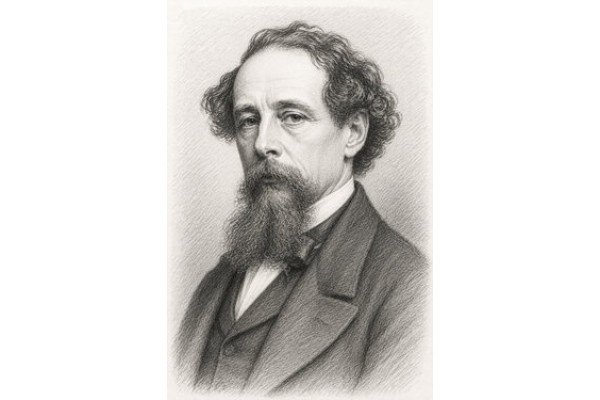
Charles Dickens transformed the Victorian novel into a powerful reflection of everyday life, giving a voice to the poor, the forgotten, and the disadvantaged. Born in Portsmouth, England, in 1812, he experienced financial hardship during his childhood, an experience that deeply influenced his writing. Explore Charles Dickens books to discover the author's life, literary career, and access notable works, including A Tale of Two Cities, A Christmas Carol, Oliver Twist, David Copperfield , and more.