A Tale of Two Cities: Charles Dickens’s Powerful Story of Revolution and Sacrifice
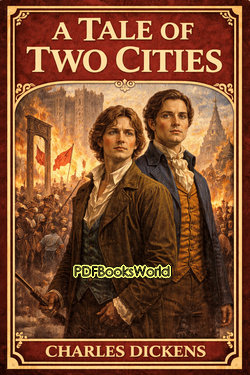
A Tale of Two Cities is one of the most famous historical novels written by Charles Dickens. First published in 1859, the novel is set in London and Paris during the turbulent years surrounding the French Revolution. Combining political unrest, emotional drama, sacrifice, and redemption, Dickens created a story that continues to resonate with readers more than a century after its publication.
A Story Set Between Two Worlds
The novel follows several interconnected characters whose lives become deeply affected by revolution, injustice, and personal sacrifice. At the center of the story is Dr. Alexandre Manette, who is finally released after spending eighteen years imprisoned in the Bastille. Reunited with his daughter Lucie Manette in England, he attempts to rebuild his life after years of suffering and isolation.
As the story progresses, Lucie marries Charles Darnay, a French aristocrat who rejects the cruelty and corruption associated with his noble family. Meanwhile, the troubled lawyer Sydney Carton develops a deep emotional attachment to Lucie, leading to one of the most memorable acts of sacrifice in literary history.
Revolution, Justice, and Human Suffering
One reason A Tale of Two Cities remains so admired is its exploration of justice, revenge, sacrifice, and social inequality. Dickens portrays both the cruelty of the French aristocracy and the violent excesses of the Revolution, showing how oppression and hatred can destroy entire societies.
The novel also examines the emotional consequences of imprisonment, trauma, and political violence. Through characters such as Dr. Manette and Madame Defarge, Dickens explores how suffering can shape human behavior in dramatically different ways.
The Unforgettable Character of Sydney Carton
Sydney Carton remains one of Charles Dickens’s most celebrated literary characters because of his emotional complexity and personal transformation. Initially presented as cynical, self-destructive, and lacking purpose, Carton gradually reveals deep loyalty, compassion, and emotional courage.
His journey toward redemption becomes the emotional heart of the novel and contributes to the story’s lasting impact on readers around the world.
The Novel’s Historical and Literary Importance
The novel captures the atmosphere of fear, unrest, and instability surrounding the French Revolution while also reflecting Dickens’s concern with poverty, injustice, and social division. Its famous opening line, “It was the best of times, it was the worst of times,” remains one of the most recognized introductions in literary history.
Because of its emotional storytelling and historical setting, the book became one of Dickens’s most successful and widely studied novels. Many readers continue to admire its balance of political drama, personal conflict, and moral reflection.
Why Readers Continue To Connect With The Story
Modern readers still connect with A Tale of Two Cities because its themes remain timeless. Questions about sacrifice, inequality, justice, loyalty, and redemption continue to feel relevant in contemporary society.
The novel’s emotional depth and dramatic storytelling also allow readers to experience major historical events through deeply personal human experiences, making the story both intimate and epic at the same time.
Final Thoughts
A Tale of Two Cities remains one of the defining masterpieces of historical fiction. Through unforgettable characters, emotional sacrifice, and powerful reflections on revolution and human nature, Charles Dickens created a novel that continues to influence literature and inspire readers worldwide.
For readers interested in classic literature, historical drama, and emotionally powerful storytelling, this novel remains an essential and rewarding reading experience.