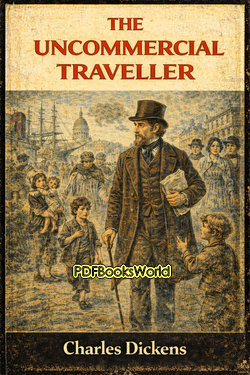
The Uncommercial Traveller
by Charles Dickens
A Literary Journey Through the Streets and Corners of Everyday Life
The Uncommercial Traveller by Charles Dickens is a fascinating collection of essays and observations that blends travel writing, personal reflection, journalism, and social commentary. Unlike a traditional travel book focused on distant countries or exotic adventures, Dickens explores ordinary places, hidden neighborhoods, crowded streets, and overlooked individuals within Victorian society.
The title refers to the narrator as an “uncommercial traveller,” meaning someone who travels not for business or profit but out of curiosity and human interest. Through these journeys, Dickens examines both the energy and the hardship of everyday life in nineteenth century England.
Observing Society Beyond the Surface
One of the collection’s greatest strengths is Dickens’s ability to notice details that many people would ignore. He visits prisons, boarding houses, poor neighborhoods, railway stations, and public institutions while carefully observing the people connected to these places.
Rather than simply describing locations, Dickens focuses on the emotions, struggles, and personalities of ordinary individuals. His observations often reveal the inequalities and hidden suffering within urban society.
A Blend of Humor, Sympathy, and Criticism
The essays move between light humor and serious social reflection. Dickens frequently uses wit and playful storytelling, but he also addresses poverty, loneliness, unsafe living conditions, and the treatment of vulnerable people.
This balance between entertainment and criticism gives the collection emotional depth. Readers are encouraged not only to enjoy the stories but also to think about the society being described.
People and Places Explored in the Collection
- Workers, travelers, and struggling families in Victorian cities
- Public institutions such as prisons and hospitals
- Busy railway stations, streets, and urban neighborhoods
- Individuals living on the margins of society
- Hidden corners of London rarely discussed in polite society
These subjects allow Dickens to paint a broad and vivid portrait of everyday life during the Victorian era.
Themes
- The contrast between wealth and poverty
- The hidden struggles of ordinary people
- Urban growth and social inequality
- Human compassion and emotional resilience
- The importance of observation and social awareness
These recurring themes reflect Dickens’s deep concern for social justice and human dignity.
Dickens’s Personal and Reflective Writing Style
Unlike some of his large fictional novels, The Uncommercial Traveller feels more personal and conversational. Dickens often writes directly about his impressions, memories, and emotional reactions to what he sees.
The style combines detailed description with storytelling energy, making even ordinary scenes feel lively and meaningful. His ability to transform simple observations into compelling narratives remains one of the collection’s greatest achievements.
A Valuable Portrait of Victorian England
The collection also serves as an important historical record of nineteenth century urban life. Dickens captures the atmosphere of rapidly growing cities shaped by industrialization, social change, and economic inequality.
Readers gain insight into how ordinary people lived, worked, traveled, and struggled during a transformative period in English history.
Why the Collection Still Resonates Today
The Uncommercial Traveller continues to interest readers because of its humanity, sharp observation, and emotional honesty. Dickens reminds readers that every city contains stories hidden beneath its busy streets and public appearances.
For those interested in classic essays, social history, and Victorian literature, the collection offers a rich and thoughtful exploration of everyday life through the eyes of one of literature’s greatest observers.
Similar Genres
About the Author
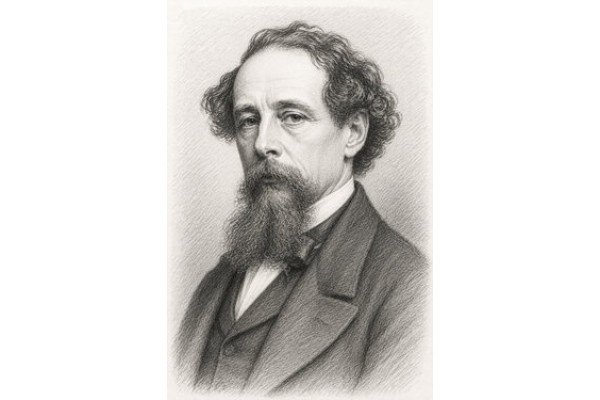
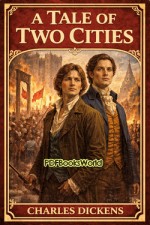
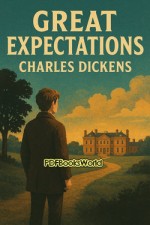
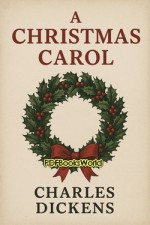
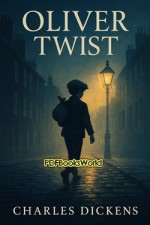
Charles Dickens transformed the Victorian novel into a powerful reflection of everyday life, giving a voice to the poor, the forgotten, and the disadvantaged. Born in Portsmouth, England, in 1812, he experienced financial hardship during his childhood, an experience that deeply influenced his writing. Explore Charles Dickens books to discover the author's life, literary career, and access notable works, including A Tale of Two Cities, Great Expectations, A Christmas Carol, Oliver Twist , and more.