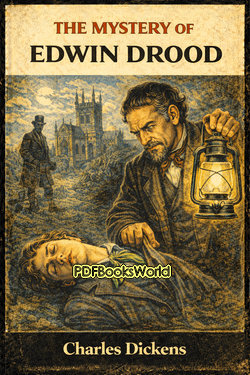
The Mystery of Edwin Drood
by Charles Dickens
A Dark and Unfinished Mystery From Charles Dickens
The Mystery of Edwin Drood by Charles Dickens is one of the most intriguing novels in Victorian literature. Left unfinished at the time of Dickens’s death, the story combines mystery, psychological tension, and social observation while surrounding readers with unanswered questions that have inspired debate for generations.
The novel centers on the disappearance of Edwin Drood, a young man connected to a small cathedral town filled with hidden emotions, suspicion, and secrecy. As the story unfolds, Dickens creates an atmosphere of uncertainty where jealousy, obsession, and concealed motives gradually emerge.
The Unfinished Nature of the Novel
One reason the book remains so famous is that Dickens never completed it. Readers and literary scholars have spent decades discussing how the mystery might have ended and what fate awaited the missing Edwin Drood.
This unfinished quality gives the novel a unique place in literary history. The uncertainty surrounding the conclusion adds to its suspense and fascination.
A Setting Filled With Suspicion and Secrecy
The story takes place in the quiet cathedral city of Cloisterham, a location filled with narrow streets, old buildings, and a gloomy atmosphere. Dickens uses the setting to create emotional tension and a sense of hidden danger.
Beneath the calm appearance of the town, characters struggle with jealousy, emotional conflict, and dark personal desires.
Characters
- Edwin Drood – A young man whose mysterious disappearance drives the story
- John Jasper – Edwin’s uncle, a deeply troubled choirmaster with hidden obsessions
- Rosa Bud – Edwin’s fiancée, caught within emotional and social pressures
- Neville Landless – A passionate outsider who becomes a suspect in the mystery
- Various townspeople whose secrets and suspicions add to the tension
Dickens gives the characters psychological complexity, making their motives difficult to fully trust or understand.
Themes
- Obsession and hidden desire
- The uncertainty between appearance and truth
- Guilt, suspicion, and moral conflict
- The darker side of Victorian society
- The fascination of unsolved mystery
These themes help create the novel’s tense and mysterious atmosphere.
Dickens’s Darker Literary Style
Unlike some of Dickens’s more humorous or socially expansive novels, The Mystery of Edwin Drood carries a darker and more concentrated tone. The writing focuses heavily on mood, secrecy, and psychological tension.
Dickens builds suspense gradually through detailed descriptions, emotional conflict, and subtle hints. This approach gives the novel a haunting quality that continues to attract readers.
Why the Novel Continues to Fascinate Readers
The Mystery of Edwin Drood remains one of Dickens’s most discussed works because of its unfinished mystery and emotionally complex characters. Readers continue to speculate about the identity of the guilty party and the ending Dickens may have planned.
For fans of classic mystery fiction, Victorian literature, and psychological drama, the novel offers a compelling combination of suspense, atmosphere, and literary intrigue.
Similar Genres
About the Author
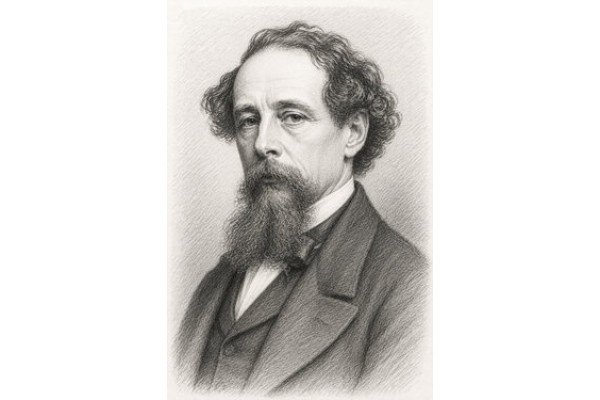
Charles Dickens transformed the Victorian novel into a powerful reflection of everyday life, giving a voice to the poor, the forgotten, and the disadvantaged. Born in Portsmouth, England, in 1812, he experienced financial hardship during his childhood, an experience that deeply influenced his writing. Explore Charles Dickens books to discover the author's life, literary career, and access notable works, including A Tale of Two Cities, Great Expectations, A Christmas Carol, Oliver Twist , and more.