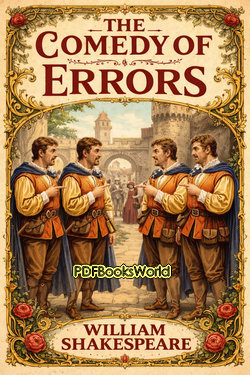
The Comedy of Errors
by William Shakespeare
A Fast-Paced Comedy of Mistaken Identity and Chaotic Confusion
The Comedy of Errors by William Shakespeare is one of Shakespeare’s earliest and most energetic comedies, built around confusion, coincidence, and mistaken identity. Filled with rapid misunderstandings, comic arguments, and unexpected encounters, the play follows two sets of identical twins whose accidental reunion creates chaos within the city of Ephesus.
Drawing inspiration from ancient Roman comedy, Shakespeare creates a lively theatrical experience that combines physical humor with themes of family, identity, and reconciliation.
Separated Twins and an Unlikely Reunion
The story begins many years after a terrible shipwreck separated two twin brothers and their twin servants. Unknown to each other, both pairs eventually arrive in the same city.
Antipholus of Syracuse and his servant Dromio of Syracuse enter Ephesus searching for lost family members, unaware that their identical twins already live there. Because nobody realizes the twins are separate individuals, a series of misunderstandings quickly begins.
Friends, merchants, wives, and strangers repeatedly mistake one twin for the other, creating confusion and comic disaster throughout the city.
Chaos Driven by Mistaken Identity
The humor of the play depends on constant confusion. Characters become angry, suspicious, jealous, or amazed because they believe familiar people are suddenly behaving strangely.
Locked doors, missing money, unexpected gifts, false accusations, and emotional arguments increase the chaos as the misunderstandings grow more complicated.
Characters
- Antipholus of Syracuse – A traveler searching for his lost family
- Antipholus of Ephesus – His identical twin living unknowingly in the same city
- Dromio of Syracuse – A witty servant repeatedly confused with his twin
- Dromio of Ephesus – The second servant caught in the comic confusion
- Adriana – The frustrated wife of Antipholus of Ephesus
The constant interaction between these characters drives the play’s comic energy and confusion.
Themes
- Mistaken identity and confusion
- The search for family and belonging
- The unpredictability of fate and coincidence
- The contrast between appearance and reality
- Reconciliation, forgiveness, and reunion
These themes give the comedy emotional warmth beneath its farcical humor.
William Shakespeare’s Energetic Comic Style
Shakespeare writes with speed, wordplay, and theatrical precision. The dialogue moves rapidly as misunderstandings pile upon one another, creating a sense of escalating chaos and excitement.
The physical comedy and quick pacing make the play especially effective on stage.
A Celebration of Comic Confusion
Unlike Shakespeare’s later comedies, which often include deeper romantic or philosophical elements, The Comedy of Errors focuses mainly on pure comic entertainment. However, beneath the humor lies a touching story about separated families and emotional reunion.
The final resolution transforms confusion and frustration into recognition, forgiveness, and joy.
Why The Comedy of Errors Continues to Entertain Audiences
The Comedy of Errors remains popular because of its fast-moving humor, clever structure, and timeless comic misunderstandings. Shakespeare turns mistaken identity into a joyful theatrical experience filled with laughter and surprise.
For readers and audiences interested in classic comedy, theatrical farce, and lively dramatic storytelling, the play offers an entertaining and energetic exploration of confusion, coincidence, and family reunion.
Similar Genres
About the Author
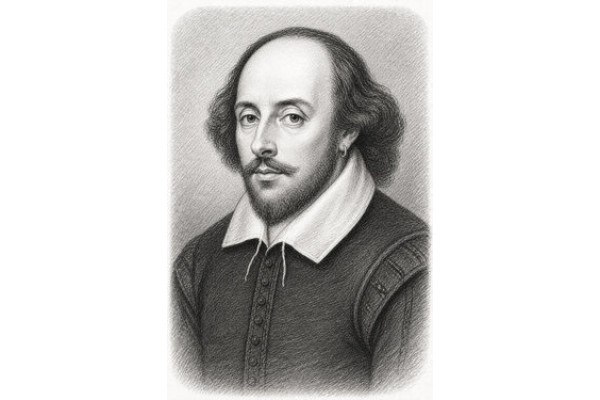
William Shakespeare is widely regarded as the greatest playwright in the English language and one of the most influential writers in world literature. Born in Stratford-upon-Avon in 1564, he transformed the stage with works that explored love, ambition, jealousy, power, revenge, and the enduring complexities of human nature. Explore William Shakespeare books to discover the author's life, literary career, and access notable works, including Romeo and Juliet, Hamlet, Macbeth, The Tempest , and more.