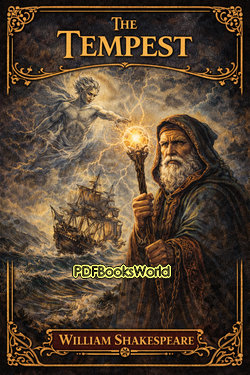
The Tempest
by William Shakespeare
Love, Magic, and Jealousy in The Tempest
The Tempest by William Shakespeare is one of the most celebrated plays in English literature. Believed to have been written around 1610–1611, the play combines romance, fantasy, revenge, and forgiveness within a mysterious island setting filled with magic and supernatural events.
The story follows Prospero, the former Duke of Milan, who lives in exile with his daughter Miranda after being betrayed by his brother. Using magical powers, Prospero creates a violent storm that brings his enemies to the island, setting the stage for conflict, discovery, and reconciliation.
Why the Play Continues to Fascinate Readers
The Tempest remains popular because it blends emotional storytelling with imaginative fantasy. Shakespeare explores power, justice, freedom, and human forgiveness while creating one of his most visually imaginative dramatic worlds.
Main Reasons Readers Admire the Play
- Magical and mysterious atmosphere
- Complex themes of power and revenge
- Memorable characters and dialogue
- Blend of comedy, romance, and tragedy
- Strong influence on modern fantasy literature
Many scholars consider the play Shakespeare’s farewell to the stage because of its reflective tone and themes of transformation.
Prospero and the Use of Power
Prospero controls much of the play through his magical abilities and careful planning. Although he seeks justice against those who betrayed him, Shakespeare gradually reveals the emotional cost of revenge and the importance of mercy.
The relationship between power and responsibility becomes one of the central ideas in the play. Prospero’s final decision to forgive his enemies gives the story its emotional resolution.
Readers interested in Shakespearean drama can explore Britannica’s article on Shakespearean drama.
The Island and Its Symbolism
The isolated island creates an atmosphere where normal social rules disappear. Shakespeare uses the setting to explore freedom, control, imagination, and human nature.
Characters such as Ariel and Caliban represent different ideas about servitude, independence, and civilization. Their relationships with Prospero continue to inspire literary debate and interpretation.
Major Themes in The Tempest
- Power and authority
- Forgiveness and reconciliation
- Magic and illusion
- Freedom and servitude
- Human ambition and betrayal
Shakespeare’s Writing Style
William Shakespeare combines poetic language, emotional dialogue, and theatrical spectacle throughout the play. The mixture of lyrical speeches and supernatural imagery gives The Tempest a dreamlike quality that separates it from many of his earlier works.
The play’s rich symbolism and imaginative scenes continue to inspire theatre productions, films, and literary adaptations around the world.
More about Shakespeare’s life and literary influence can be found through Poetry Foundation’s profile of William Shakespeare.
The Play’s Influence on Literature and Theatre
The Tempest has influenced generations of writers, dramatists, and filmmakers. Its themes of isolation, power, and redemption continue to appear in modern fantasy and psychological drama.
The play also remains important in discussions about colonialism, authority, and the relationship between civilization and nature.
Final Thoughts
The Tempest remains a timeless masterpiece because of its magical atmosphere, emotional depth, and powerful themes of forgiveness and transformation. William Shakespeare created a play that continues to inspire audiences through its imagination, poetry, and understanding of human nature.
Similar Genres
About the Author

William Shakespeare is widely regarded as the greatest playwright in the English language and one of the most influential writers in world literature. Born in Stratford-upon-Avon in 1564, he transformed the stage with works that explored love, ambition, jealousy, power, revenge, and the enduring complexities of human nature. Explore William Shakespeare books to discover the author's life, literary career, and access notable works, including Romeo and Juliet, Hamlet, Macbeth, Othello , and more.