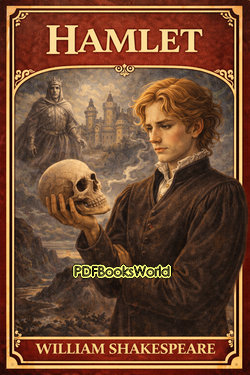
Hamlet: Shakespeare’s Timeless Tragedy of Revenge and Inner Conflict
Hamlet is one of the most famous and influential plays written by William Shakespeare. Believed to have been written around the beginning of the seventeenth century, the tragedy explores revenge, mortality, madness, betrayal, and the complexity of human thought. Set in the royal court of Denmark, the play follows Prince Hamlet as he struggles with grief, suspicion, and the moral consequences of revenge after the death of his father.
A Prince Haunted By Revenge
The story begins after the death of the King of Denmark, whose brother Claudius quickly takes the throne and marries Queen Gertrude, Hamlet’s mother. When the ghost of Hamlet’s father appears and claims that Claudius murdered him, Hamlet becomes consumed by the desire to uncover the truth and seek revenge.
As Hamlet investigates the murder, he begins behaving strangely, leading others to question his sanity. His uncertainty, emotional conflict, and hesitation to act create tension throughout the play while tragedy slowly unfolds around him.
The Complexity of Hamlet’s Character
Hamlet remains one of literature’s most studied and psychologically complex characters. Intelligent, philosophical, and emotionally troubled, he constantly questions morality, justice, life, and death. His famous “To be or not to be” soliloquy reflects his deep struggle with suffering, mortality, and the fear of the unknown.
Unlike traditional revenge heroes, Hamlet spends much of the play reflecting and doubting rather than acting immediately. This conflict between thought and action became one of the defining themes of the tragedy.
Madness, Deception, and Corruption
The play explores themes including revenge, corruption, appearance versus reality, madness, and the decay of moral order. Shakespeare presents a royal court filled with spying, manipulation, hidden motives, and political dishonesty.
Throughout the story, characters often disguise their true intentions, making deception a constant presence within the drama. Hamlet himself pretends to be mad at times, though the line between performance and genuine emotional instability becomes increasingly unclear.
The Tragic Fate of Ophelia and Other Characters
The emotional consequences of Hamlet’s actions deeply affect the people around him, especially Ophelia, who suffers from grief, rejection, and emotional isolation. Her tragic decline became one of the most memorable elements of the play.
Other important characters, including Polonius, Laertes, Horatio, and King Claudius, each contribute to the play’s atmosphere of tension, loyalty, betrayal, and revenge. Their interconnected conflicts eventually lead to the devastating conclusion of the tragedy.
Why Hamlet Continues To Influence Literature
One reason Hamlet remains so important is its remarkable psychological and philosophical depth. Shakespeare created a tragedy that examines not only revenge but also human uncertainty, emotional suffering, and the difficulty of making moral decisions.
The play has influenced countless novels, films, theatre productions, and modern adaptations across centuries. Hamlet himself remains one of the most recognizable characters in world literature and continues to inspire critical analysis and reinterpretation.
Final Thoughts
Hamlet remains one of the defining masterpieces of English literature. Through unforgettable characters, emotional intensity, and philosophical reflection, William Shakespeare created a tragedy that continues to captivate readers, audiences, and scholars around the world.
For readers interested in classic drama, psychological conflict, and timeless explorations of revenge, morality, and human nature, this play remains an essential and unforgettable reading experience.