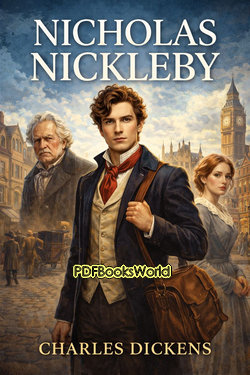
Nicholas Nickleby
by Charles Dickens
A Memorable Dickens Classic About Family, Hardship, and the Fight Against Injustice
Nicholas Nickleby by Charles Dickens is a powerful Victorian novel first published in serial form between 1838 and 1839. The story follows the young Nicholas Nickleby as he struggles to protect his family after the death of his father leaves them poor and vulnerable.
Filled with humor, drama, memorable characters, and sharp social criticism, the novel became one of Dickens’s most admired works. Through emotional storytelling and vivid realism, Dickens explored themes connected to Victorian social fiction and nineteenth-century literature.
About the Author
Charles Dickens was one of the greatest English novelists of the Victorian era. His works often focused on poverty, injustice, family struggles, and the social problems created by industrial society.
Dickens became famous for creating unforgettable characters and combining humor with emotional and moral depth.
Main Themes of the Novel
The novel examines how poverty, greed, and cruelty affect ordinary people while also celebrating kindness, courage, and loyalty.
Important Themes Discussed
- Family loyalty and responsibility
- Social injustice and exploitation
- Education and child welfare
- Hope, perseverance, and moral courage
Dickens strongly criticizes abusive schools, dishonest businessmen, and people who misuse power for personal gain.
Nicholas’s Struggle Against Cruelty and Corruption
After financial disaster strikes his family, Nicholas is forced to work at a brutal boarding school run by the cruel Wackford Squeers. Horrified by the abuse of children there, Nicholas eventually rebels and escapes, beginning a long journey filled with hardship and personal growth.
As he searches for stability and justice, Nicholas encounters both selfish and compassionate people, revealing the moral contrasts within society.
What Makes the Novel Unique
- Blend of humor, emotion, and social criticism
- Memorable and vividly drawn characters
- Strong attack on cruelty and exploitation
Writing Style
Dickens’s writing style is lively, descriptive, and emotionally engaging. He combines comic scenes with dramatic conflict and social observation to create an entertaining yet meaningful story.
The serialized structure keeps the narrative energetic while allowing characters and relationships to develop gradually.
Historical Importance
Nicholas Nickleby became one of the defining novels in the tradition of Victorian social reform literature. The book helped raise public awareness about abusive schools and the hardships faced by vulnerable families during the nineteenth century.
Historical Features
- Criticism of abusive educational institutions
- Major contribution to Victorian social fiction
- Influence on later novels about justice and reform
The novel also reflected growing concern about poverty, education, and social responsibility in industrial Britain.
Lessons for Modern Readers
Modern readers continue to enjoy the novel because of its humor, emotional warmth, and timeless message about standing against injustice.
The story encourages compassion, resilience, and the belief that courage and kindness can overcome cruelty and hardship.
Conclusion
Nicholas Nickleby by Charles Dickens remains a classic novel filled with unforgettable characters, emotional storytelling, and powerful social criticism. Through Nicholas’s struggles and triumphs, Dickens created a timeless literary work about family, justice, and human dignity.
Similar Genres
About the Author
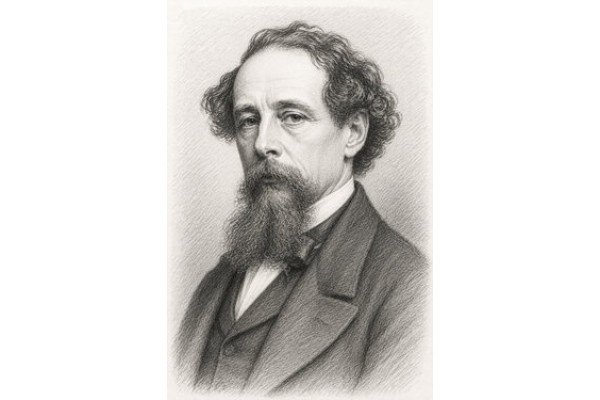
Charles Dickens transformed the Victorian novel into a powerful reflection of everyday life, giving a voice to the poor, the forgotten, and the disadvantaged. Born in Portsmouth, England, in 1812, he experienced financial hardship during his childhood, an experience that deeply influenced his writing. Explore Charles Dickens books to discover the author's life, literary career, and access notable works, including A Tale of Two Cities, Great Expectations, A Christmas Carol, Oliver Twist , and more.