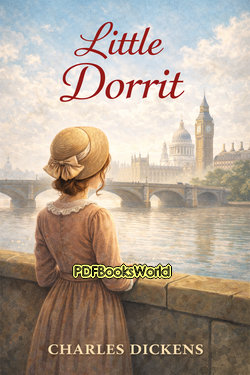
Little Dorrit
by Charles Dickens
Debt, Society, and Human Resilience in Charles Dickens’ Little Dorrit
Among the many unforgettable novels written by Charles Dickens, Little Dorrit stands out for its emotional depth and sharp criticism of Victorian society. The novel explores poverty, bureaucracy, imprisonment, social ambition, and personal dignity through the life of Amy Dorrit, a gentle young woman raised within the walls of a debtor’s prison.
Blending social commentary with rich character development, Dickens created a story that examines how institutions and class systems can shape human lives while also highlighting compassion, loyalty, and emotional strength.
A Story Shaped by Debt and Social Inequality
Much of the novel revolves around the Marshalsea prison, where Amy Dorrit’s father remains imprisoned because of unpaid debts. Dickens uses this setting not only as a physical location but also as a symbol of social limitation and emotional confinement.
As the story expands, the novel reveals a wider portrait of Victorian society filled with corruption, selfish ambition, and rigid class divisions.
Elements That Define the Novel
- Powerful social criticism and realism
- Emotionally rich and memorable characters
- Exploration of poverty and financial hardship
- Satire of government bureaucracy
- Themes of kindness, endurance, and dignity
The Emotional Strength of Amy Dorrit
Despite growing up in difficult circumstances, Amy Dorrit remains compassionate, patient, and emotionally resilient. Her quiet strength contrasts sharply with the greed and vanity shown by many other characters in the novel.
Dickens presents Amy not as a dramatic heroine but as a deeply human figure whose kindness and loyalty give emotional warmth to an otherwise harsh social world.
Major Themes Explored Throughout the Story
- The emotional effects of poverty and debt
- Social class and inequality
- Family responsibility and sacrifice
- The corruption of institutions and bureaucracy
- The contrast between wealth and true happiness
Dickens’ Criticism of Victorian Institutions
One of the most striking features of Little Dorrit is Dickens’ criticism of government systems and social structures that fail to help vulnerable people. Through satire and detailed observation, he exposes inefficiency, selfishness, and social hypocrisy.
The fictional Circumlocution Office, for example, became famous as a symbol of pointless bureaucracy and institutional incompetence.
Readers interested in nineteenth-century social history often explore the realities of Victorian Britain and social reform to better understand the historical background behind Dickens’ fiction.
Why Little Dorrit Still Feels Relevant
Modern readers continue connecting with the novel because its themes remain surprisingly contemporary. Financial pressure, social inequality, institutional frustration, and the search for personal dignity are issues that still resonate today.
Dickens’ ability to combine emotional storytelling with social criticism gives the novel lasting emotional and intellectual power.
Reasons the Novel Continues to Be Admired
- Deeply emotional and human storytelling
- Sharp social and political satire
- Memorable characters with psychological depth
- Timeless themes about society and justice
- Powerful blend of realism and compassion
The Enduring Legacy of Charles Dickens
Charles Dickens remains one of the most influential novelists in English literature because of his ability to portray social injustice while creating unforgettable characters and emotionally engaging stories.
His novels continue to shape discussions about poverty, morality, and the responsibilities of society toward vulnerable individuals.
Final Thoughts
Little Dorrit remains one of Charles Dickens’ most powerful and emotionally complex novels. Through the struggles of Amy Dorrit and the world surrounding her, Dickens explored debt, social inequality, bureaucracy, and human resilience with remarkable insight and compassion. Its timeless themes and unforgettable characters ensure its lasting place among the great classics of English literature.
Similar Genres
About the Author
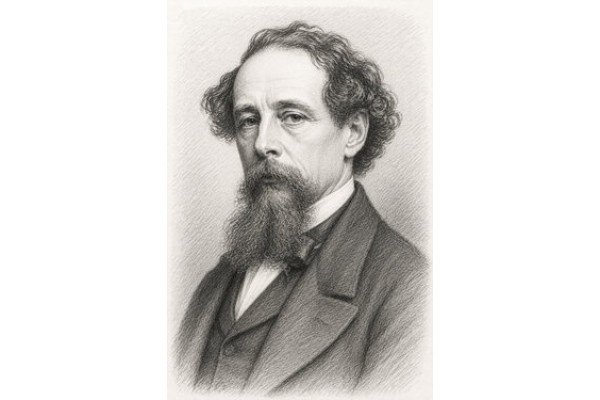
Charles Dickens transformed the Victorian novel into a powerful reflection of everyday life, giving a voice to the poor, the forgotten, and the disadvantaged. Born in Portsmouth, England, in 1812, he experienced financial hardship during his childhood, an experience that deeply influenced his writing. Explore Charles Dickens books to discover the author's life, literary career, and access notable works, including A Tale of Two Cities, Great Expectations, A Christmas Carol, Oliver Twist , and more.