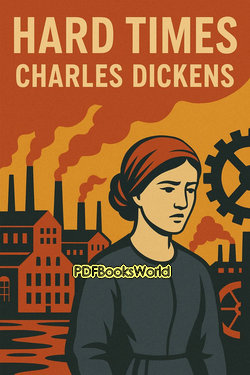
Hard Times
by Charles Dickens
Industrial Society and Human Struggle in Hard Times
Hard Times by Charles Dickens is one of the most important social novels of the Victorian era. First published in 1854, the novel examines the harsh realities of industrial society, rigid education systems, and the emotional damage caused by excessive devotion to facts and profit.
Set in the fictional industrial town of Coketown, the story follows several characters whose lives are shaped by poverty, factory labor, social expectations, and emotional repression. Dickens combines realism, satire, and emotional storytelling to criticize the growing industrial culture of nineteenth-century England.
Why the Novel Still Matters Today
Hard Times remains relevant because many of its themes continue to appear in modern society. Dickens questions whether economic success and strict practicality can truly create happiness or justice.
Reasons Readers Continue to Admire the Novel
- Powerful social criticism
- Memorable and emotional characters
- Realistic depiction of industrial life
- Strong moral and educational themes
- Sharp satire of rigid thinking
The novel is often praised for balancing political commentary with deeply human storytelling.
The Industrial World of Coketown
Dickens presents Coketown as a dark and polluted factory city where workers live difficult and repetitive lives. Smoke, machinery, and endless labor dominate everyday existence, creating an atmosphere of exhaustion and emotional emptiness.
Through this setting, Dickens criticizes the social consequences of rapid industrialization and economic inequality.
Readers interested in the historical background of industrial society can explore Britannica’s article on the Industrial Revolution.
The Novel’s Criticism of Education
One of the most famous parts of the novel is Thomas Gradgrind’s educational philosophy, which values facts above imagination and emotion. Dickens argues that children need creativity, compassion, and emotional understanding rather than mechanical learning alone.
The novel suggests that purely practical thinking can damage both personal relationships and moral judgment.
Major Themes in Hard Times
- The effects of industrialization
- The conflict between fact and imagination
- Social inequality and poverty
- Emotional repression
- The importance of compassion
Charles Dickens’s Writing Style
Charles Dickens combines humor, symbolism, and vivid description throughout the novel. His characters are often exaggerated in memorable ways, yet they still reflect real social problems and emotional struggles.
Through satire and dramatic storytelling, Dickens exposes the failures of institutions that value profit and efficiency over humanity.
More about Dickens’s literary career and influence can be found through Encyclopaedia Britannica’s biography of Charles Dickens.
The Novel’s Influence on Social Literature
Hard Times became one of Dickens’s strongest critiques of industrial capitalism and social injustice. The novel influenced later writers who explored labor conditions, education, and economic inequality.
Its themes continue to appear in discussions about work culture, education systems, and the human cost of industrial progress.
Final Thoughts
Hard Times remains a powerful exploration of industrial society, education, and human emotion. Charles Dickens transformed social criticism into a compelling literary work that continues to challenge readers to think about compassion, justice, and the balance between reason and humanity.
Similar Genres
About the Author
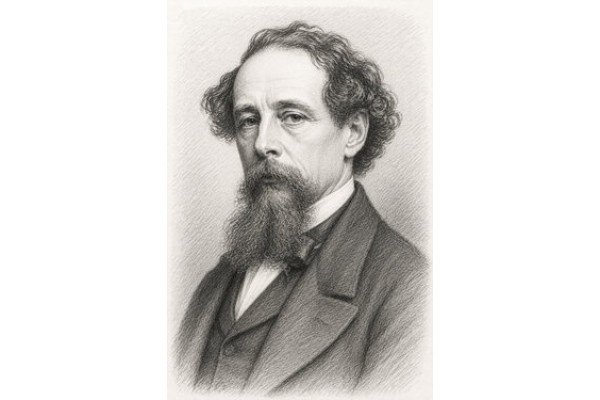
Charles Dickens transformed the Victorian novel into a powerful reflection of everyday life, giving a voice to the poor, the forgotten, and the disadvantaged. Born in Portsmouth, England, in 1812, he experienced financial hardship during his childhood, an experience that deeply influenced his writing. Explore Charles Dickens books to discover the author's life, literary career, and access notable works, including A Tale of Two Cities, Great Expectations, A Christmas Carol, Oliver Twist , and more.