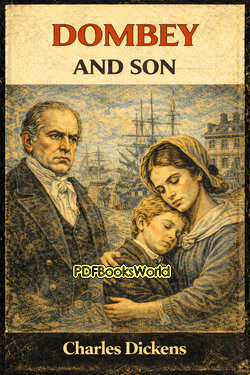
Dombey and Son
by Charles Dickens
A Powerful Story of Pride, Family, and Emotional Loss
Dombey and Son by Charles Dickens is a classic Victorian novel that explores family relationships, social ambition, emotional neglect, and personal transformation. The story centers on Paul Dombey, a wealthy businessman whose obsession with status and inheritance deeply affects the lives of those around him.
Like many of Dickens’s novels, the book combines emotional storytelling with social criticism. Through memorable characters and dramatic events, Dickens examines how pride and material ambition can damage human relationships and isolate individuals from genuine affection.
The Importance of Family in the Novel
At the heart of the story lies the complicated relationship between fathers, children, and emotional responsibility. Mr. Dombey places enormous importance on his business and the continuation of the family name, often overlooking the emotional needs of his daughter Florence.
The novel explores how love, kindness, and compassion matter far more than wealth or social position. Dickens presents emotional neglect as one of the greatest tragedies within family life.
A Portrait of Victorian Society
Dombey and Son also reflects the social and economic atmosphere of nineteenth century England. Business success, class status, and public reputation strongly influence the characters’ actions and decisions.
Dickens criticizes the coldness and emotional distance that can result from excessive ambition and social pride. At the same time, he highlights the importance of empathy and moral responsibility.
Characters
- Paul Dombey – A proud businessman focused on wealth, status, and family legacy
- Florence Dombey – His caring and emotionally neglected daughter
- Little Paul – A fragile child whose presence deeply affects the family
- Edith Dombey – A strong and independent woman trapped within social expectations
- Various supporting figures representing both kindness and selfishness within society
Dickens gives each character emotional depth, allowing readers to understand both their weaknesses and their humanity.
Themes
- The conflict between wealth and emotional connection
- Pride, ambition, and personal isolation
- The importance of compassion within family relationships
- The emotional effects of neglect and loneliness
- Social class and Victorian expectations
These themes give the novel both emotional intensity and lasting social relevance.
Dickens’s Blend of Drama and Social Criticism
Charles Dickens combines emotional storytelling with sharp observations about society. His writing moves between moments of tenderness, tragedy, humor, and suspense while maintaining strong emotional focus.
The detailed descriptions of London life, business culture, and family relationships create a vivid portrait of Victorian England. Dickens’s ability to balance social commentary with compelling storytelling remains one of the novel’s greatest strengths.
Why the Novel Continues to Be Admired
Dombey and Son remains important because of its emotional depth and exploration of human relationships. The novel reminds readers that ambition and social success cannot replace kindness, love, and emotional understanding.
For readers interested in classic literature, family drama, and Victorian society, the novel offers a rich and moving reading experience filled with memorable characters and timeless themes.
Similar Genres
About the Author

Charles Dickens transformed the Victorian novel into a powerful reflection of everyday life, giving a voice to the poor, the forgotten, and the disadvantaged. Born in Portsmouth, England, in 1812, he experienced financial hardship during his childhood, an experience that deeply influenced his writing. Explore Charles Dickens books to discover the author's life, literary career, and access notable works, including A Tale of Two Cities, Great Expectations, A Christmas Carol, Oliver Twist , and more.