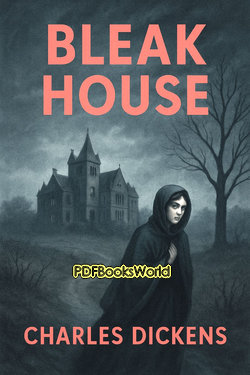
Bleak House
by Charles Dickens
Fog, Mystery, and Social Criticism in Bleak House
Bleak House by Charles Dickens is one of the most powerful and complex novels of the Victorian era. First published in 1853, the novel combines mystery, satire, romance, and social criticism into a memorable story about justice, poverty, and human connection.
The novel centers around the endless legal case of Jarndyce and Jarndyce, a court battle so complicated that it damages the lives of everyone connected to it. Through a large cast of characters, Dickens exposes the failures of the legal system and the harsh realities of Victorian society.
Why Bleak House Remains Important
Charles Dickens uses vivid storytelling and emotional depth to criticize social inequality and institutional corruption. The novel mixes suspense with compassion, making it both entertaining and thought-provoking.
What Makes the Novel Stand Out
- Memorable and detailed characters
- Strong criticism of the legal system
- Atmospheric descriptions of London
- Mystery blended with emotional drama
- Powerful themes of justice and responsibility
Many readers consider Bleak House one of Dickens’s greatest literary achievements because of its ambitious storytelling and social commentary.
The Famous Court Case
The legal dispute known as Jarndyce and Jarndyce dominates the novel from beginning to end. Dickens portrays the Court of Chancery as slow, confusing, and destructive, showing how endless bureaucracy can ruin ordinary lives.
The novel’s opening scenes, filled with heavy fog and confusion, symbolize the uncertainty and disorder created by the legal system.
Readers interested in the historical background of the English legal system can explore Britannica’s article on the Court of Chancery.
Memorable Characters and Relationships
Bleak House contains one of Dickens’s largest collections of characters, each representing different parts of Victorian society. Esther Summerson, the novel’s compassionate heroine, provides warmth and emotional balance to the darker parts of the story.
Other unforgettable characters include Lady Dedlock, the mysterious aristocrat hiding dangerous secrets, and Inspector Bucket, one of the earliest detective figures in English fiction.
Major Themes in the Novel
- Corruption and legal injustice
- Social inequality and poverty
- Secrecy and hidden identity
- Compassion and personal responsibility
- The effects of institutional failure
Dickens’s Writing Style
Charles Dickens combines sharp satire with emotional storytelling throughout the novel. His descriptions of London create a dark and haunting atmosphere that reflects the confusion and suffering experienced by many characters.
The novel is also famous for its dual narrative style, alternating between Esther Summerson’s personal narration and a broader third-person perspective.
Readers seeking deeper literary analysis can visit SparkNotes study guide for Bleak House.
Influence on Literature and Popular Culture
Bleak House influenced later detective fiction, social novels, and legal dramas. Its exploration of bureaucracy and inequality still feels relevant in the modern world.
Many literary scholars believe the novel helped shape realistic fiction by combining social criticism with deeply human storytelling.
More information about Charles Dickens and his literary legacy can be found on Wikipedia’s Charles Dickens article.
Final Thoughts
Bleak House remains a timeless masterpiece because of its unforgettable characters, dark atmosphere, and powerful criticism of social injustice. Charles Dickens transformed a complicated legal dispute into a deeply emotional story about humanity, morality, and hope in a flawed society.
Similar Genres
About the Author
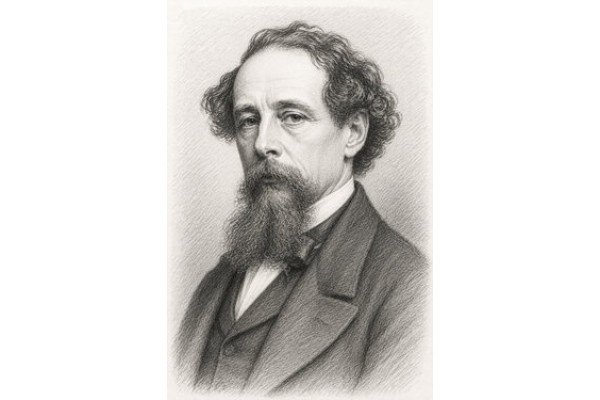
Charles Dickens transformed the Victorian novel into a powerful reflection of everyday life, giving a voice to the poor, the forgotten, and the disadvantaged. Born in Portsmouth, England, in 1812, he experienced financial hardship during his childhood, an experience that deeply influenced his writing. Explore Charles Dickens books to discover the author's life, literary career, and access notable works, including A Tale of Two Cities, Great Expectations, A Christmas Carol, Oliver Twist , and more.