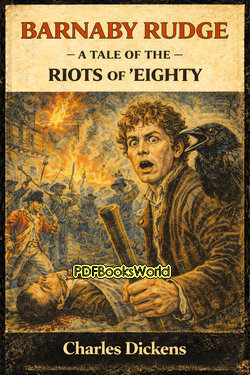
Barnaby Rudge - A Tale of the Riots of 'Eighty
by Charles Dickens
A Historical Novel Filled With Chaos, Fear, and Social Unrest
Barnaby Rudge - A Tale of the Riots of 'Eighty by Charles Dickens is a dramatic historical novel set during the Gordon Riots of 1780 in London. Blending political unrest with personal stories, Dickens explores how fear, violence, and public anger can quickly overwhelm society and destroy ordinary lives.
The novel combines mystery, emotional conflict, and historical detail while presenting a vivid portrait of a city descending into disorder. Through memorable characters and intense scenes, Dickens examines both the excitement and danger of mob behavior.
The Historical Background of the Gordon Riots
The story is built around the real-life anti-Catholic riots that shook London during the late eighteenth century. Large crowds filled the streets, prisons were attacked, and public violence spread across the city.
Dickens uses these historical events to show how political fear and public manipulation can turn ordinary people into destructive mobs. The novel captures the atmosphere of uncertainty and panic that surrounded the riots.
A Story Blending Personal Drama With National Crisis
While the riots form the background of the novel, the story also focuses on family conflict, hidden secrets, loyalty, and revenge. Dickens balances large historical events with intimate emotional struggles.
This combination allows readers to experience both the public chaos of the riots and the personal consequences faced by the characters.
Characters
- Barnaby Rudge – A gentle and innocent young man caught within dangerous events
- Grip – Barnaby’s clever raven, one of Dickens’s most memorable animal characters
- Gabriel Varden – A kind locksmith representing honesty and stability
- Hugh – A violent and rebellious figure connected to the riots
- Various political agitators, families, and townspeople affected by unrest
The characters range from sympathetic and humorous to dangerous and emotionally troubled, creating a rich and dramatic narrative.
Themes
- The destructive power of mob violence
- Fear, prejudice, and political manipulation
- The conflict between innocence and corruption
- Loyalty, family ties, and personal responsibility
- The instability of society during periods of unrest
These themes give the novel both historical importance and emotional intensity.
Dickens’s Powerful Historical Storytelling
Charles Dickens combines detailed historical description with suspenseful storytelling and emotional drama. His depiction of riot scenes is especially vivid, creating a strong sense of danger and confusion.
At the same time, Dickens maintains his characteristic focus on human emotion and social observation. The novel balances large-scale historical events with personal relationships and moral conflict.
Why the Novel Continues to Be Remembered
Barnaby Rudge remains important because of its dramatic portrayal of public violence and social instability. Dickens shows how quickly fear and anger can spread through society when people are manipulated by prejudice and political extremism.
For readers interested in historical fiction, Victorian literature, and emotionally charged storytelling, the novel offers a compelling exploration of both human vulnerability and social chaos.
Similar Genres
About the Author
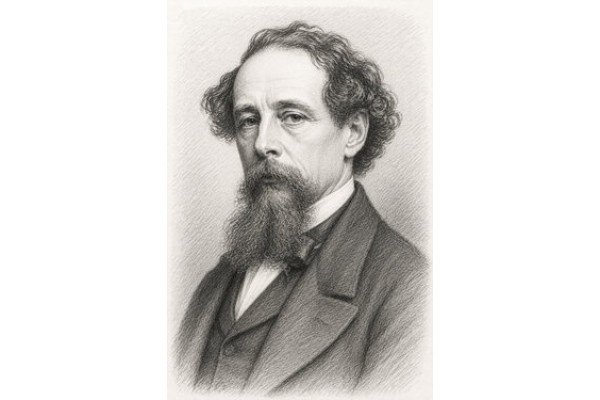
Charles Dickens transformed the Victorian novel into a powerful reflection of everyday life, giving a voice to the poor, the forgotten, and the disadvantaged. Born in Portsmouth, England, in 1812, he experienced financial hardship during his childhood, an experience that deeply influenced his writing. Explore Charles Dickens books to discover the author's life, literary career, and access notable works, including A Tale of Two Cities, Great Expectations, A Christmas Carol, Oliver Twist , and more.