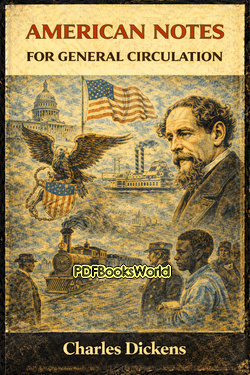
American Notes for General Circulation
by Charles Dickens
Charles Dickens’s Impressions of Nineteenth Century America
American Notes for General Circulation by Charles Dickens is a travel narrative based on the author’s journey through the United States during the early 1840s. Combining personal observation, social commentary, and cultural criticism, the book presents Dickens’s reactions to American cities, institutions, customs, and everyday life.
Rather than writing a simple travel diary, Dickens uses the book to explore larger questions about democracy, social behavior, public morality, and national identity. His observations are often sharp, humorous, and sometimes controversial, especially when discussing issues he believed reflected social problems within American society.
A Famous Author Travels Across America
When Dickens arrived in the United States, he was already one of the world’s most celebrated writers. His visit attracted enormous public attention, and many Americans expected him to praise the nation enthusiastically.
While Dickens admired certain aspects of American energy and independence, he also expressed disappointment with issues such as political conflict, poor public manners, and social inequality. These criticisms surprised and sometimes angered American readers.
Observations on Society and Public Life
Throughout the book, Dickens describes the cities, landscapes, transportation systems, and institutions he encountered during his travels. He visits schools, prisons, factories, and public buildings while carefully observing how ordinary people lived and interacted.
His writing often focuses on the contrast between America’s democratic ideals and the realities he witnessed during his journey.
Major Topics Discussed in the Book
- Travel experiences across American cities and regions
- The condition of prisons, hospitals, and public institutions
- Political culture and democratic society
- Social customs and public behavior
- The issue of slavery and human rights
These subjects give the book both historical significance and strong social relevance.
Dickens’s Criticism of Slavery
One of the most serious topics addressed in American Notes is slavery. Dickens strongly condemned the institution and expressed moral outrage over the treatment of enslaved people in the United States.
His criticism reflected broader humanitarian concerns that appeared throughout his literary career. The book reveals how deeply slavery troubled him during his travels.
A Blend of Humor, Curiosity, and Social Criticism
Charles Dickens combines detailed observation with wit and satire. Some passages are humorous and playful, while others carry disappointment or frustration. His style keeps the travel narrative lively and emotionally engaging.
Rather than pretending to be completely neutral, Dickens openly shares his personal reactions and opinions, giving the book a strong authorial voice.
The Historical Importance of the Work
American Notes for General Circulation remains an important historical record of American society during the nineteenth century. Readers gain insight into transportation, politics, urban life, and public institutions during a period of rapid national growth.
The book also reveals how an influential European writer viewed the United States at a critical stage in its development.
Why the Book Still Attracts Readers Today
Modern readers continue to find the work interesting because of its combination of travel writing, cultural observation, and social analysis. Dickens’s honesty and strong opinions make the narrative feel personal and immediate.
For readers interested in history, travel literature, or nineteenth century society, American Notes for General Circulation offers a fascinating portrait of America seen through the eyes of one of literature’s greatest observers.
Similar Genres
About the Author
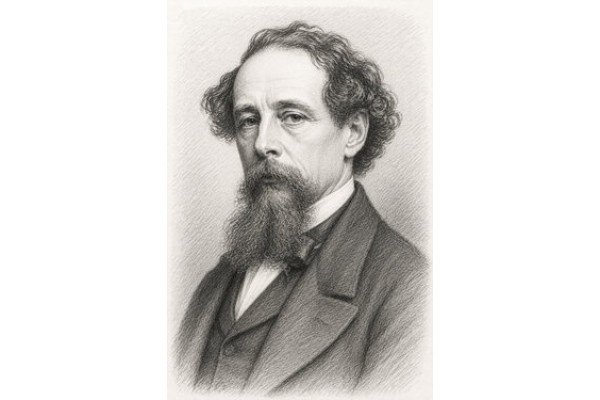
Charles Dickens transformed the Victorian novel into a powerful reflection of everyday life, giving a voice to the poor, the forgotten, and the disadvantaged. Born in Portsmouth, England, in 1812, he experienced financial hardship during his childhood, an experience that deeply influenced his writing. Explore Charles Dickens books to discover the author's life, literary career, and access notable works, including A Tale of Two Cities, Great Expectations, A Christmas Carol, Oliver Twist , and more.