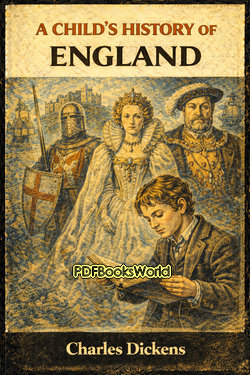
A Child's History of England
by Charles Dickens
A Simple and Engaging Journey Through England’s Past
A Child's History of England by Charles Dickens is a historical work written to introduce younger readers to the story of England’s kings, queens, battles, and major events. Unlike formal history books filled with complex language and dates, Dickens presents history in a lively and readable style designed to make the past feel interesting and memorable.
The book reflects Dickens’s talent for storytelling as much as his interest in history. Rather than simply listing events, he brings historical figures to life through vivid descriptions, dramatic scenes, and emotional commentary. This approach helped make the book popular with both children and adult readers.
History Told Through Storytelling
One of the most distinctive qualities of the book is Dickens’s narrative style. He writes history almost like a novel, using suspense, humor, and strong characterization to keep readers engaged.
Kings, queens, warriors, and political leaders are described with clear personalities and emotional detail. Dickens wanted readers to feel connected to historical events rather than viewing them as distant facts.
The Historical Periods Covered in the Book
The book traces English history from ancient Britain through many centuries of political and social change. Dickens discusses invasions, royal conflicts, civil wars, and important rulers who shaped the nation.
Readers encounter famous figures such as Alfred the Great, William the Conqueror, Henry VIII, and Queen Elizabeth I. Major historical events are explained in a simplified but dramatic way suitable for general audiences.
Important Subjects Explored Throughout the Book
- The lives of English kings and queens
- Wars, invasions, and political struggles
- The development of English society and government
- The influence of powerful historical personalities
- The connection between leadership and national change
These topics help readers understand how England developed across centuries of conflict and transformation.
Dickens’s Personal Opinions on History
Unlike many historians, Dickens often includes strong personal opinions about historical figures and events. He openly criticizes rulers he considered cruel or selfish while praising individuals he admired for courage or wisdom.
This emotional and opinionated style gives the book energy and personality, though modern historians sometimes view his interpretations as subjective rather than fully balanced.
A Book Written for Younger Readers
Charles Dickens originally wrote A Child's History of England for children, including his own family. The language remains straightforward and accessible, making complicated historical events easier to understand.
Even so, the book avoids becoming overly simplistic. Dickens still presents political conflict, violence, and social injustice as important parts of history.
The Blend of Education and Entertainment
The book succeeds because it combines learning with storytelling. Dickens understood that readers often connect more strongly with history when it feels alive and emotionally engaging.
His dramatic style transforms historical figures into memorable personalities rather than distant names from textbooks. This literary approach helped introduce many readers to English history for the first time.
Why the Book Continues to Interest Readers
A Child's History of England remains valuable as both a historical introduction and an example of Dickens’s storytelling skill. While modern history books may provide more detailed research, Dickens’s work still offers an entertaining and accessible overview of England’s past.
For readers interested in history, classic literature, or educational writing from the Victorian era, the book provides a lively and memorable journey through centuries of English history.
Similar Genres
About the Author
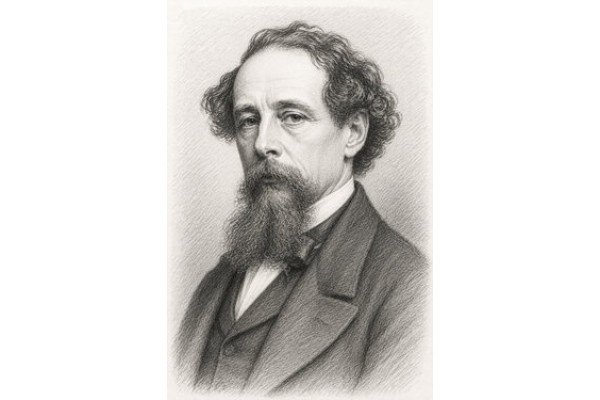
Charles Dickens transformed the Victorian novel into a powerful reflection of everyday life, giving a voice to the poor, the forgotten, and the disadvantaged. Born in Portsmouth, England, in 1812, he experienced financial hardship during his childhood, an experience that deeply influenced his writing. Explore Charles Dickens books to discover the author's life, literary career, and access notable works, including A Tale of Two Cities, Great Expectations, A Christmas Carol, Oliver Twist , and more.