Why Men Fight - A method of abolishing the international duel
by Bertrand Russell
War, Society, and the Search for a More Peaceful Civilization
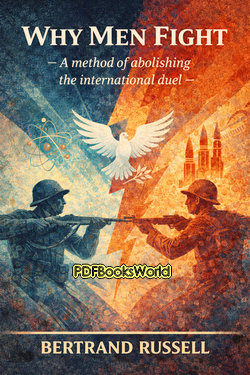
Why Men Fight: A Method of Abolishing the International Duel by Bertrand Russell is a powerful philosophical and political examination of war, nationalism, education, economic systems, and human conflict. Written during the aftermath of the First World War, the book investigates the psychological, social, and political forces that drive nations toward violence while proposing ways to build a more rational and peaceful world.
Russell combines moral urgency with analytical clarity, arguing that war is not inevitable but produced by human institutions, fears, and destructive social structures.
Examining the Roots of Human Conflict
The book explores why societies repeatedly fall into organized violence despite the enormous suffering caused by war. Russell studies the influence of nationalism, economic competition, authoritarian education, political ambition, and social inequality in creating cultures that glorify conflict.
He argues that many political systems encourage obedience, aggression, and rivalry rather than cooperation and independent thought.
Russell also examines how fear and collective identity can manipulate public opinion and suppress critical reasoning during periods of political tension.
Rather than viewing war as simply the result of evil individuals, he sees it as emerging from broader institutional and psychological conditions.
The work ultimately becomes both social criticism and a philosophical appeal for civilization organized around creativity, freedom, and human wellbeing.
The Social and Political Forces Within the Book
- Nationalism and Militarism: Russell criticizes systems encouraging hostility, obedience, and patriotic aggression.
- Education and Social Conditioning: Schools and institutions often shape individuals toward conformity rather than critical thought.
- Economic Competition and Inequality: Economic systems based upon rivalry and insecurity contribute to social instability and conflict.
- Freedom and Human Creativity: Russell believes peaceful societies must encourage individuality, intellectual growth, and meaningful work.
His analysis consistently focuses on how institutions shape emotional behavior and political culture.
Peace as a Social and Moral Achievement
One of the book’s strongest ideas is that peace requires more than simply ending battles between nations. Russell argues that societies themselves must change in ways that reduce fear, domination, poverty, and aggressive competition.
He believes education should encourage curiosity and independent reasoning instead of blind loyalty and submission to authority.
The book also emphasizes the importance of emotional fulfillment and creative opportunity within healthy societies.
Russell suggests that frustrated, insecure, and oppressed populations become more vulnerable to destructive political movements and militaristic nationalism.
Russell’s Humanistic Political Vision
Why Men Fight demonstrates Bertrand Russell’s remarkable ability to combine political analysis with moral philosophy and psychological insight. His writing remains intellectually rigorous while deeply concerned with ordinary human suffering.
Russell approaches questions of war and peace not only through diplomacy and politics, but also through education, economics, emotional life, and social organization.
The work reflects his lifelong commitment to rational inquiry, freedom, and humanitarian values.
Why the Book Still Feels Relevant Today
Modern readers continue finding Why Men Fight strikingly relevant because its themes remain central to global politics and human society. Nationalism, propaganda, economic inequality, ideological conflict, and militarization continue influencing international relations and domestic political life.
Russell’s warnings about fear-driven politics and systems discouraging independent thought remain especially powerful in modern discussions about democracy and peace.
For readers interested in political philosophy, peace studies, social criticism, ethics, and the psychological causes of war and conflict, this work remains thoughtful, passionate, and deeply important.
Similar Genres
About the Author
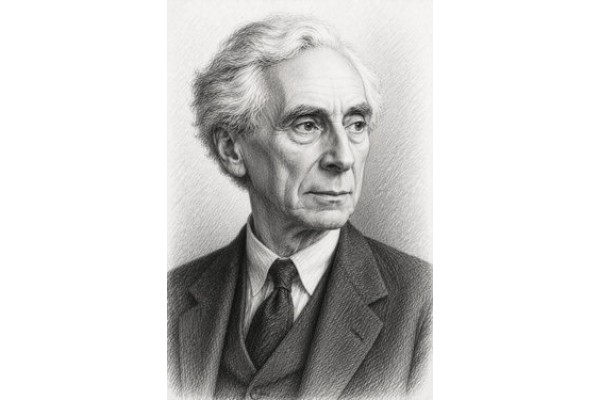
Bertrand Russell was one of the twentieth century's most influential philosophers, mathematicians, and public intellectuals. Born in Wales in 1872, he devoted his life to the pursuit of knowledge, using clear reasoning and careful analysis to examine some of humanity's most important questions. Explore Bertrand Russell books to discover the author's life, literary career, and access notable works, including Mysticism and Logic and Other Essays, The Problems of Philosophy, The Analysis of Mind, Proposed Roads to Freedom , and more.