The Analysis of Mind
by Bertrand Russell
A Landmark Exploration of Consciousness, Thought, and Human Psychology
The Analysis of Mind by Bertrand Russell is one of the most important philosophical studies of psychology and consciousness written during the twentieth century. In this influential work, Russell examines how the human mind functions through perception, memory, sensation, emotion, habit, and thought.
The book stands at the intersection of philosophy and psychology, reflecting a period when scholars increasingly attempted to understand mental life through logic, science, and careful observation rather than relying only on abstract speculation. Russell's analysis helped shape modern philosophy of mind and contributed significantly to the development of analytic philosophy.
The Intellectual Background of the Book
During the early twentieth century, psychology was becoming a more scientific discipline, while philosophy was also undergoing major changes. Thinkers began asking whether human consciousness could be studied systematically through evidence, observation, and logical analysis.
Russell became deeply interested in these developments. He believed philosophy should remain connected with scientific progress and should examine how people actually experience reality, form beliefs, and interpret the world.
The Analysis of Mind reflects this intellectual climate by combining philosophical reasoning with psychological theory and scientific curiosity.
Russell's Approach to Understanding the Mind
Rather than treating the mind as something completely separate from physical reality, Russell examines how mental experiences arise through sensation, memory, emotion, and learned behavior.
He explores how individuals process information from the external world and how these experiences shape conscious thought. Russell attempts to reduce confusion surrounding traditional philosophical ideas about the soul, identity, and consciousness by analyzing mental processes in a logical and structured way.
This analytical approach became one of the defining features of modern philosophy.
Perception and Human Experience
One of the major topics in the book involves perception and the question of how human beings understand reality. Russell asks how people know that the external world exists and how sensory experiences influence belief and knowledge.
He investigates how sight, sound, touch, and other sensations become organized into meaningful experiences. These discussions connect philosophy with psychology by exploring how the mind interprets information received from the surrounding environment.
The book also considers how perception can sometimes be unreliable, leading to mistaken assumptions or incomplete understanding.
The Role of Memory and Habit
Russell places strong emphasis on memory and habit as important elements of mental life. He argues that memory is not simply passive storage of information but an active force shaping identity, understanding, and behavior.
Habit also becomes central to his explanation of thought and action. Human beings often respond automatically to situations because repeated experiences create patterns of behavior and expectation.
These observations helped connect philosophy with emerging psychological theories about learning and behavior.
Main Ideas and Themes
- The relationship between consciousness and physical experience
- Perception, sensation, and human understanding
- Memory and habit as foundations of mental life
- The influence of psychology on philosophy
The Influence of Science on Russell's Philosophy
Russell strongly believed that philosophy should engage with scientific discovery rather than remain isolated from modern knowledge. Throughout the book, he attempts to apply scientific thinking to questions about consciousness and human behavior.
This approach reflects the growing influence of psychology, biology, and neuroscience during his era. Russell hoped that philosophical analysis could become more precise and intellectually rigorous by learning from scientific methods.
His efforts helped shape later debates about cognition, behavior, and consciousness.
Why The Analysis of Mind Remains Important
The book continues to attract readers because many of its questions remain highly relevant in modern philosophy, psychology, and cognitive science. Discussions about artificial intelligence, neuroscience, perception, and consciousness still involve problems Russell explored more than a century ago.
Readers value the work because it encourages deep reflection about the foundations of human thought and experience while also revealing the intellectual history behind modern theories of mind.
The book offers both philosophical depth and historical importance for students interested in psychology, science, and human consciousness.
The Writing Style of Bertrand Russell
Bertrand Russell writes in a logical, analytical, and intellectually disciplined style. Although some discussions are complex, he often explains difficult ideas with remarkable clarity compared to many philosophical writers of his era.
His writing combines careful reasoning with scientific curiosity, allowing readers to follow complicated arguments about perception, memory, and thought in a structured and understandable way.
The precision of his language became one of the defining characteristics of analytic philosophy.
A Timeless Study of Mind, Knowledge, and Conscious Experience
The Analysis of Mind by Bertrand Russell remains a major philosophical work that continues to influence discussions about psychology, consciousness, reasoning, and human perception. Through logical analysis and intellectual curiosity, Russell created a deeply important study of how the human mind understands reality and experiences the world.
Similar Genres
About the Author
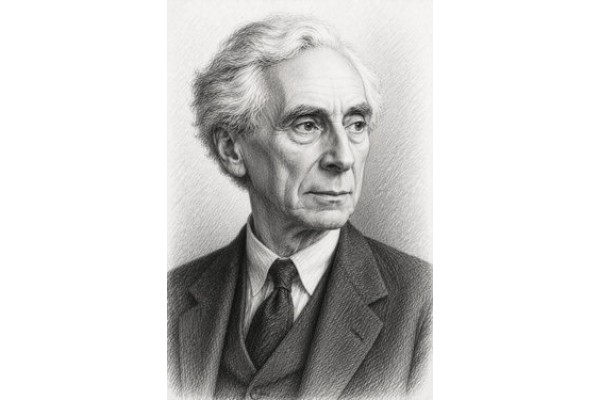
Bertrand Russell was one of the twentieth century's most influential philosophers, mathematicians, and public intellectuals. Born in Wales in 1872, he devoted his life to the pursuit of knowledge, using clear reasoning and careful analysis to examine some of humanity's most important questions. Explore Bertrand Russell books to discover the author's life, literary career, and access notable works, including Mysticism and Logic and Other Essays, The Problems of Philosophy, Proposed Roads to Freedom, The Problem of China , and more.