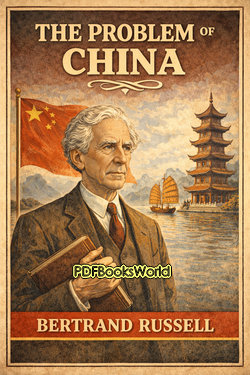
The Problem of China
by Bertrand Russell
Politics, Culture, and Global Power in a Transforming China
The Problem of China by Bertrand Russell is a thoughtful political and cultural study examining China during the early twentieth century as the nation struggled with internal instability, foreign influence, modernization, and national identity. Drawing upon Russell’s travels and direct observations, the book explores China’s intellectual traditions, political challenges, educational systems, economic conditions, and relationship with the modern world.
Russell combines philosophical reflection with political analysis, presenting China not as a distant abstraction but as a civilization confronting enormous historical transformation.
A Civilization Facing Modern Crisis and Change
The book was written during a period when China faced political fragmentation, social unrest, foreign intervention, and pressure to modernize rapidly after centuries of imperial rule.
Russell examines how Chinese society attempted to respond to industrialization, nationalism, military conflict, and Western political influence while preserving elements of its own cultural and philosophical traditions.
Rather than portraying China through simplistic stereotypes common in Western writing of the time, Russell approaches the country with intellectual curiosity and considerable sympathy.
He studies education, government, economic weakness, social customs, and international politics while questioning how China might modernize without losing cultural independence.
The result becomes both political analysis and meditation on civilization itself.
The Forces and Ideas Within the Book
- Chinese Civilization and Tradition: Russell explores the philosophical, cultural, and historical foundations shaping Chinese society.
- Modernization and Industrial Change: China struggles to adapt economically and politically within a rapidly changing world.
- Foreign Powers and Imperial Influence: Western nations and Japan exert political and economic pressure upon China.
- Education and Intellectual Reform: Russell views education as central to China’s future development and independence.
His analysis balances admiration for Chinese culture with concern regarding political instability and external domination.
The Tension Between Tradition and Modernity
One of the book’s strongest ideas is that modernization should not require complete abandonment of cultural identity or philosophical heritage. Russell argues that China possessed intellectual and moral traditions capable of contributing meaningfully to the modern world.
At the same time, he acknowledges the urgent need for political reform, scientific education, and economic development.
The book repeatedly questions whether industrial modernity inevitably leads toward militarism, nationalism, and social conflict.
Russell often contrasts Chinese cultural values with what he viewed as aggressive tendencies within modern Western civilization.
Major Themes Running Through the Work
- Modernization and National Survival: China seeks political and economic transformation while preserving independence.
- Culture and Civilization: Russell reflects on the strengths and weaknesses of both Chinese and Western societies.
- Imperialism and Global Power: Foreign intervention shapes China’s political and economic difficulties.
- Education and Intellectual Renewal: Social progress depends upon learning, critical thought, and reform.
Russell’s Blend of Philosophy and Political Observation
The Problem of China demonstrates Bertrand Russell’s ability to combine philosophical reflection with practical political analysis. His writing remains clear, analytical, and often surprisingly personal because it draws upon direct experience within China itself.
Russell avoids rigid ideological thinking while remaining deeply concerned with justice, peace, and human development.
The book reflects both admiration for Chinese civilization and anxiety regarding the dangers of modern global politics.
Why the Book Still Feels Relevant Today
Modern readers continue finding The Problem of China fascinating because many of its themes remain central to global politics today. Questions involving China’s modernization, cultural identity, international influence, education, and relationship with Western powers continue shaping world affairs.
The book also provides valuable historical insight into how one major twentieth-century philosopher interpreted China during a pivotal moment of transformation.
For readers interested in political philosophy, Chinese history, international relations, cultural analysis, and early twentieth-century global thought, this work remains insightful, historically important, and intellectually engaging.
Similar Genres
About the Author
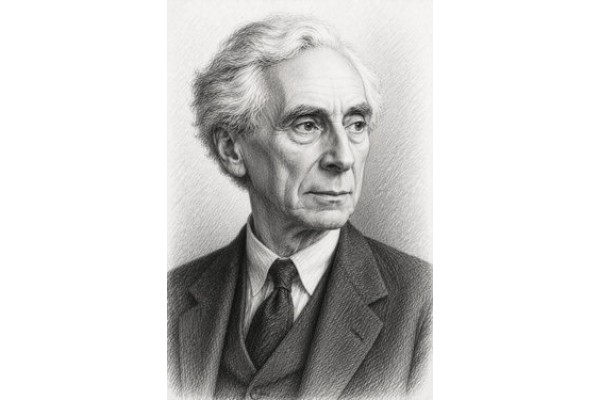
Bertrand Russell was one of the twentieth century's most influential philosophers, mathematicians, and public intellectuals. Born in Wales in 1872, he devoted his life to the pursuit of knowledge, using clear reasoning and careful analysis to examine some of humanity's most important questions. Explore Bertrand Russell books to discover the author's life, literary career, and access notable works, including Mysticism and Logic and Other Essays, The Problems of Philosophy, The Analysis of Mind, Proposed Roads to Freedom , and more.