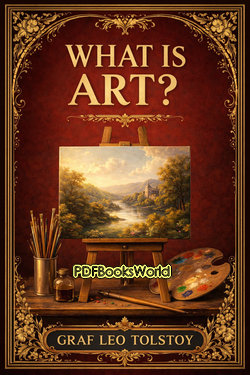
What Is Art?
by Graf Leo Tolstoy
Beauty, Emotion, and the Moral Purpose of Creative Expression
What Is Art? by Graf Leo Tolstoy is a major philosophical and artistic work examining the meaning, purpose, and moral responsibility of art within human society. Written during the later years of Tolstoy’s life, the book challenges traditional ideas about beauty and artistic value while arguing that true art should communicate sincere human feeling and promote moral understanding rather than serve luxury, elitism, or mere entertainment.
Tolstoy presents art not simply as aesthetic pleasure, but as a powerful form of emotional communication capable of shaping ethical and spiritual life.
Tolstoy’s Definition of Art
The book argues that art is the transmission of genuine emotion from one person to another. According to Tolstoy, a successful work of art allows the audience to experience feelings sincerely expressed by the artist, creating emotional connection and shared human understanding.
Tolstoy criticizes artistic movements and institutions that value complexity, exclusivity, or technical refinement above emotional honesty and moral purpose. He rejects the idea that art should exist only for wealthy or highly educated audiences.
Rather than defining art through beauty alone, Tolstoy emphasizes sincerity, accessibility, and emotional truth.
Art, Morality, and Society
A major theme throughout the work is the moral responsibility of artists and cultural institutions. Tolstoy repeatedly argues that art should encourage compassion, unity, and spiritual growth rather than selfishness, vanity, or social division.
The book also reflects Tolstoy’s broader religious and ethical philosophy developed during his later life. He believed that much modern art had become disconnected from ordinary human experience and genuine moral feeling.
At the same time, the work challenges readers to reconsider widely accepted standards concerning artistic greatness, taste, and cultural prestige.
This combination of philosophy, criticism, and ethical reflection gives the book lasting intellectual importance.
Philosophical and Artistic Themes Explored Throughout the Book
- Art as Emotional Communication: Genuine art shares sincere human feeling.
- Morality and Creative Responsibility: Art should contribute positively to human life and society.
- Criticism of Artistic Elitism: Tolstoy opposes art accessible only to privileged audiences.
- Sincerity and Emotional Truth: Honest feeling matters more than technical complexity.
- Spiritual and Human Unity: Art can strengthen compassion and shared understanding.
Leo Tolstoy’s Philosophical Style
What Is Art? demonstrates Leo Tolstoy’s passionate and argumentative prose style. His writing remains direct, provocative, and deeply reflective while combining literary criticism with ethical philosophy and social commentary.
Tolstoy consistently portrays art as a moral and spiritual force capable of influencing the future of humanity.
Why the Book Still Holds Intellectual Importance
Modern readers continue finding What Is Art? highly significant because its debates concerning artistic purpose, accessibility, morality, and emotional authenticity remain central to modern discussions of culture and aesthetics. The book also stands as one of the most influential philosophical critiques of art produced during the nineteenth century.
Its themes of creativity, ethics, beauty, emotional expression, artistic responsibility, and cultural criticism continue appealing to readers interested in philosophy, literary theory, aesthetics, cultural studies, and art history.
Similar Genres
About the Author
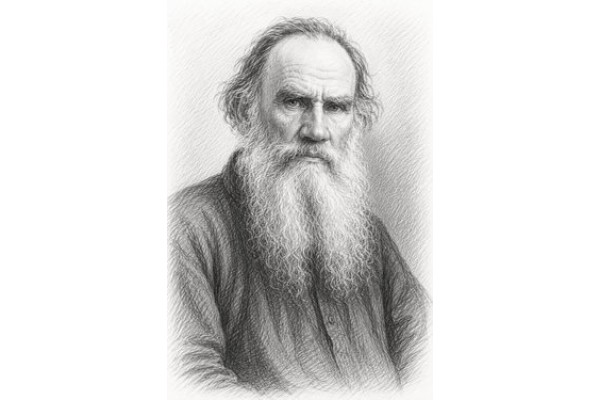
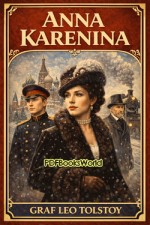
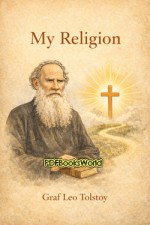
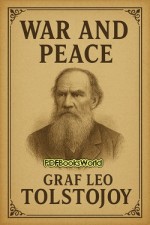
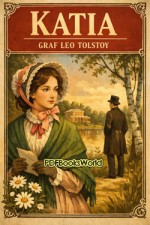
Graf Leo Tolstoy, better known as Leo Tolstoy, stands among the greatest novelists in world literature. Born into Russian nobility in 1828, he combined extraordinary storytelling with profound philosophical insight, creating works that explore the complexities of human nature, morality, faith, and society. Explore Graf Leo Tolstoy books to discover the author's life, literary career, and access notable works, including Anna Karenina, My Religion, War and Peace, Katia , and more.