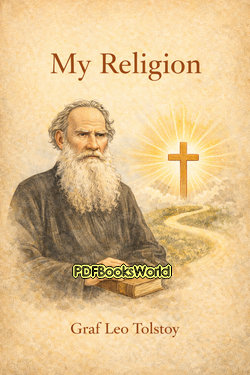
My Religion
by Graf Leo Tolstoy
Introduction
Leo Tolstoy is famous around the world for novels like War and Peace and Anna Karenina. However, he also wrote deeply about religion, morality, and the meaning of life. My Religion, first published in English in 1885, explains Tolstoy’s personal understanding of Christianity and human life. The book is also known as What I Believe. It was written after a major spiritual crisis in Tolstoy’s life and follows his earlier work A Confession.
Why Tolstoy Wrote the Book
Tolstoy reached great success as a writer, but he still felt empty and unhappy inside. He began to question the purpose of life, wealth, power, and religion. He believed that many churches had moved away from the true teachings of Jesus Christ. In My Religion, Tolstoy tried to explain what he thought real Christianity should be.
He focused mainly on the teachings found in the Sermon on the Mount from the Bible. Tolstoy believed that these teachings were simple, practical, and meant to guide everyday life.
Tolstoy’s Main Beliefs
Love and Nonviolence
One of the strongest ideas in the book is nonviolence. Tolstoy believed people should never answer evil with violence. He taught that hatred only creates more hatred. Instead, people should respond with love, patience, and forgiveness.
This idea later influenced many famous leaders, including Mahatma Gandhi and Martin Luther King Jr., who used peaceful resistance in their movements.
Simple Living
Tolstoy also believed that people should live simple and honest lives. He criticized greed, luxury, and the desire for power. According to him, true happiness comes from kindness, hard work, and helping others rather than from money or social status.
True Christianity
Tolstoy argued that true religion is not about rituals, ceremonies, or church authority. He believed religion should focus on moral behavior and love for humanity. He felt that many organized religious institutions had misunderstood the message of Jesus.
Criticism of Society and Government
In My Religion, Tolstoy strongly criticized governments and systems that depend on violence, war, and punishment. He believed that wars and executions were against the teachings of Christ. He questioned whether any government could truly follow Christian principles while using force and military power.
These views made the book controversial during his time. Some religious and political authorities disliked his ideas because they challenged traditional systems and beliefs.
Writing Style of the Book
Tolstoy’s writing in My Religion is direct and thoughtful. Instead of using difficult philosophical language, he explains his ideas in a clear and personal way. He often uses examples from daily life and from the Bible to support his arguments.
The book feels less like a formal religious text and more like a conversation with readers about morality and truth.
Influence of the Book
My Religion became an important work in spiritual and philosophical literature. It helped spread ideas about peaceful resistance, moral responsibility, and personal faith. Tolstoy’s religious writings later developed further in books like The Kingdom of God Is Within You.
Even today, many readers admire the book because it encourages people to think deeply about how they live and treat others.
Conclusion
My Religion is more than a religious book. It is a reflection on life, morality, peace, and human values. Through this work, Leo Tolstoy shared his belief that love, compassion, simplicity, and nonviolence are the true foundations of a meaningful life. The book continues to inspire readers who search for spiritual understanding and ethical living.
Similar Genres
About the Author
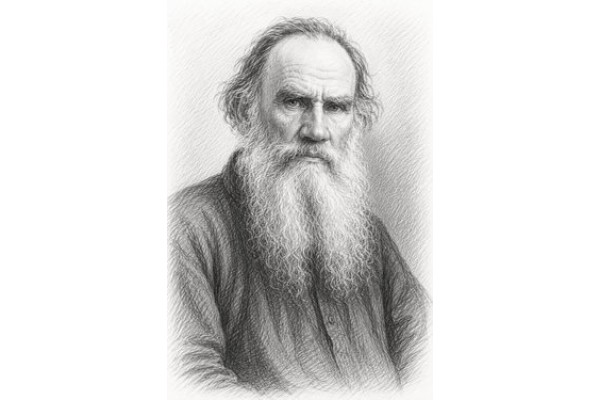
Graf Leo Tolstoy, better known as Leo Tolstoy, stands among the greatest novelists in world literature. Born into Russian nobility in 1828, he combined extraordinary storytelling with profound philosophical insight, creating works that explore the complexities of human nature, morality, faith, and society. Explore Graf Leo Tolstoy books to discover the author's life, literary career, and access notable works, including Anna Karenina, War and Peace, Katia, What Men Live By and Other Tales , and more.