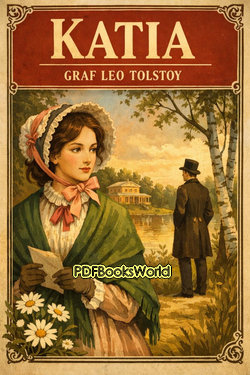
Katia
by Graf Leo Tolstoy
Katia and Leo Tolstoy’s Gentle Portrait of Love, Growth, and Emotional Awakening
Sensitive, reflective, and emotionally intimate, Katia by Leo Tolstoy offers readers a quieter and more personal side of the great Russian novelist. Also known through translations connected to Family Happiness, the story explores youth, romance, marriage, emotional change, and the gradual transition from innocence to maturity.
Rather than focusing on war or large social conflict, Tolstoy centers the narrative on emotional experience and the subtle transformations that occur within personal relationships.
A Story of Youth and Emotional Discovery
The novel follows a young woman as she experiences first love, marriage, and the emotional complexities that accompany adult life. Through her changing perspective, Tolstoy examines how idealized romance often evolves into deeper questions about companionship, fulfillment, and personal identity.
The emotional realism of the story gives it a deeply human and reflective atmosphere.
What Makes the Novel So Memorable
- Gentle and emotionally nuanced storytelling
- Psychological realism and introspection
- Exploration of love and personal growth
- Elegant and thoughtful prose style
- Insight into relationships and emotional maturity
Tolstoy’s Exploration of Marriage and Happiness
One of the central concerns of the novel is the difference between youthful romantic excitement and lasting emotional connection. Tolstoy carefully examines how expectations, social life, and personal change affect relationships over time.
The story reflects his broader interest in morality, emotional truth, and the search for meaningful human happiness.
Major Themes Explored Throughout the Story
- Love, marriage, and emotional transformation
- The transition from youth to adulthood
- The tension between idealism and reality
- The search for personal fulfillment
- The emotional complexity of human relationships
Why Tolstoy’s Psychological Realism Still Resonates
Modern readers continue appreciating Tolstoy because of his extraordinary understanding of human emotion and inner life. Even in shorter and quieter works like Katia, he captures subtle feelings and emotional contradictions with remarkable realism.
The novel’s focus on personal reflection and changing relationships still feels deeply relatable today.
Readers interested in Russian literary realism often explore the development of nineteenth-century Russian literature to better understand the literary tradition that shaped Tolstoy’s work.
Leo Tolstoy’s Literary Influence
Leo Tolstoy became one of the most influential novelists in world literature because of his ability to combine philosophical reflection with emotional realism. His works explored morality, society, faith, family, and the complexities of human nature with extraordinary depth.
Even his more intimate narratives reveal the psychological insight and emotional honesty that made his writing internationally admired.
Reasons the Novel Continues to Be Appreciated
- Emotionally realistic and reflective storytelling
- Insightful exploration of relationships and marriage
- Elegant literary style and psychological depth
- Accessible introduction to Tolstoy’s themes
- Timeless portrayal of emotional growth
The Enduring Appeal of Emotional Realism
Stories focused on love, maturity, and personal transformation continue resonating because they reflect experiences shared across generations. Readers are often drawn to works that portray emotional life honestly and thoughtfully rather than relying only on dramatic events.
Katia remains a subtle but powerful example of literary realism centered on human feeling and personal change.
Final Thoughts
Katia remains a graceful and emotionally insightful work by Leo Tolstoy. Through delicate storytelling and psychological realism, Tolstoy explores the complexities of love, marriage, and emotional maturity with warmth and honesty. Its lasting charm continues attracting readers interested in reflective and deeply human literary fiction.
Similar Genres
About the Author
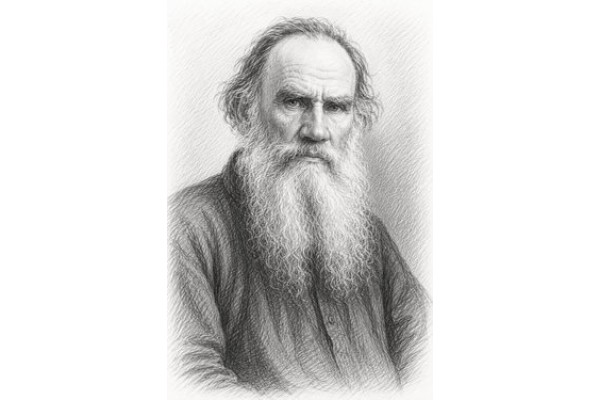
Graf Leo Tolstoy, better known as Leo Tolstoy, stands among the greatest novelists in world literature. Born into Russian nobility in 1828, he combined extraordinary storytelling with profound philosophical insight, creating works that explore the complexities of human nature, morality, faith, and society. Explore Graf Leo Tolstoy books to discover the author's life, literary career, and access notable works, including Anna Karenina, My Religion, War and Peace, What Men Live By and Other Tales , and more.