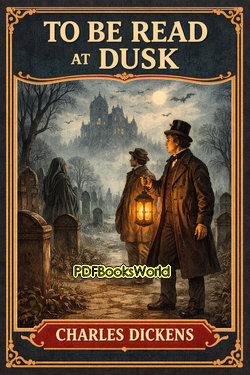
To Be Read at Dusk
by Charles Dickens
Stories Shared in the Fading Light Between Day and Night
Distant mountains, evening shadows, quiet conversation, and the uneasy feeling that something unseen may be listening all shape the atmosphere of To Be Read at Dusk by Charles Dickens. Unlike Dickens’ longer novels filled with crowded cities and large casts of characters, this short ghostly tale relies on mood, mystery, and suggestion.
The story unfolds through travelers exchanging strange experiences as darkness slowly settles around them. Dickens carefully blurs the line between coincidence, imagination, and the supernatural, allowing uncertainty itself to become part of the suspense.
Rather than presenting loud horror or dramatic violence, the narrative creates quiet psychological tension that grows stronger as the evening deepens.
A Simple Conversation Slowly Becomes Unsettling
The tale begins with a group of couriers resting near a mountain pass in the evening. Their relaxed discussion gradually turns toward stories involving unusual encounters, strange warnings, and mysterious repetitions of events.
As each person speaks, the atmosphere changes from ordinary conversation into something darker and more uneasy. The listeners begin questioning whether certain experiences can truly be explained through reason alone.
The setting plays an important role in shaping this mood. The fading daylight and isolated surroundings create the perfect environment for uncertainty and imagination to grow.
The Power Comes From Suggestion Rather Than Action
Dickens avoids large dramatic scenes and instead builds suspense through small details and emotional unease. Much of the tension comes from what remains uncertain or unexplained.
The story quietly explores ideas connected to:
- Premonitions and strange coincidences
- The fear of repeated events
- Ghost stories shared through conversation
- The influence of atmosphere on the imagination
- The possibility of unseen forces
Because the supernatural elements are never fully explained, the mystery lingers even after the story ends.
Darkness and Setting Shape the Entire Experience
The title itself emphasizes the importance of time and atmosphere. Dusk represents a moment between certainty and uncertainty, daylight and darkness, reality and imagination.
Dickens carefully uses environmental details to strengthen the emotional effect:
Mountain Landscapes
The remote setting creates isolation and distance from ordinary daily life.
Fading Light
As daylight disappears, the conversation grows increasingly eerie.
Quiet Surroundings
Silence and stillness make every strange detail feel more noticeable.
These elements give the story a dreamlike and uneasy quality.
The Tale Reflects Victorian Fascination With Ghost Stories
During the nineteenth century, ghost stories were extremely popular, especially when shared aloud during evenings or social gatherings. Readers enjoyed tales that mixed realism with supernatural uncertainty.
To Be Read at Dusk reflects this tradition by presenting supernatural discussion almost casually, as though strange experiences might exist just beneath ordinary life.
The story also captures Victorian interest in:
- Spiritual mystery
- Psychological fear
- Travel and foreign settings
- The blurred boundary between reality and imagination
These themes helped ghostly fiction become a major part of nineteenth-century literature.
The Writing Feels Controlled and Atmospheric
Unlike some dramatic horror stories, Dickens keeps the narrative restrained and conversational. This quiet approach actually increases the tension because the fear develops gradually rather than through sudden shocks.
The dialogue-driven structure makes readers feel like participants listening beside the travelers themselves. Small details and repeated ideas slowly create emotional unease without ever fully revealing clear answers.
This careful control of atmosphere remains one of the story’s strongest qualities.
A Subtle Ghost Story That Lingers in the Mind
To Be Read at Dusk remains memorable because it proves that mystery and suspense do not require elaborate horror. Charles Dickens creates tension through setting, conversation, and the unsettling possibility that some experiences cannot be fully explained.
Readers who enjoy atmospheric ghost stories and psychological mystery may appreciate the tale’s quiet sense of dread and lingering uncertainty. Like the fading light suggested in its title, the story leaves readers suspended between belief and doubt.
Similar Genres
About the Author
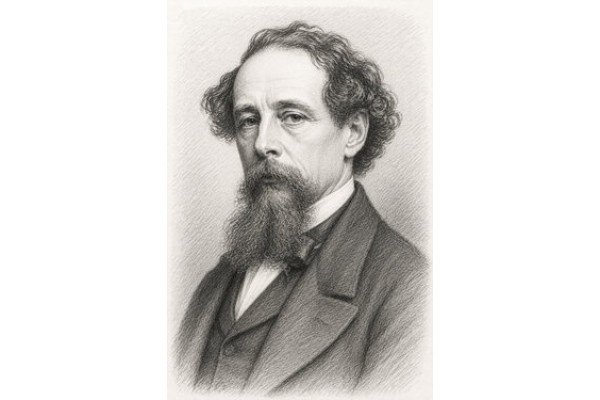
Charles Dickens transformed the Victorian novel into a powerful reflection of everyday life, giving a voice to the poor, the forgotten, and the disadvantaged. Born in Portsmouth, England, in 1812, he experienced financial hardship during his childhood, an experience that deeply influenced his writing. Explore Charles Dickens books to discover the author's life, literary career, and access notable works, including A Tale of Two Cities, Great Expectations, A Christmas Carol, Oliver Twist , and more.