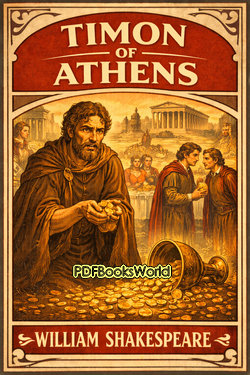
Timon of Athens
by William Shakespeare
A Bitter Tragedy About Wealth, Betrayal, and Human Greed
Timon of Athens by William Shakespeare is one of Shakespeare’s darkest and most cynical plays, exploring friendship, generosity, greed, and social hypocrisy through the downfall of a wealthy Athenian nobleman. Combining tragedy with sharp satire, the drama examines how quickly admiration and loyalty can disappear when wealth and power are lost.
The play presents a bleak vision of human relationships shaped by selfishness, ambition, and material desire, making it one of Shakespeare’s most emotionally bitter works.
A Generous Man Surrounded by False Friends
The story begins with Timon living extravagantly in Athens, constantly giving gifts, money, and favors to the many companions who surround him. Believing himself loved and respected, he spends freely without concern for his financial future.
However, when Timon suddenly falls into debt and asks his friends for help, nearly all of them abandon him. Their excuses and dishonesty reveal that their friendship depended entirely on his wealth.
This betrayal destroys Timon’s faith in humanity and transforms his personality completely.
From Generosity to Hatred of Society
After discovering the hypocrisy of those around him, Timon withdraws from society and lives in isolation outside Athens. Filled with rage and disappointment, he condemns human greed, corruption, and selfishness.
The play gradually becomes a fierce attack on materialism, political corruption, and the false loyalty created by wealth and social ambition.
Characters
- Timon – A wealthy Athenian nobleman whose generosity turns into bitter hatred after betrayal
- Alcibiades – A military leader frustrated with the injustice and corruption of Athens
- Apemantus – A cynical philosopher criticizing society even before Timon’s downfall
- False friends, wealthy nobles, and greedy flatterers benefiting from Timon’s generosity
- Servants and attendants witnessing the collapse of loyalty and social trust
The relationships between these characters expose the fragile and often dishonest nature of social friendship.
Themes
- The corruption caused by wealth and greed
- The falseness of social friendship and flattery
- Betrayal, disappointment, and emotional isolation
- The conflict between generosity and selfishness
- The hypocrisy and instability of society
These themes make the play one of Shakespeare’s harshest critiques of human behavior.
William Shakespeare’s Dark and Satirical Style
Shakespeare writes with intense emotional bitterness and sharp social criticism throughout the play. The dialogue often shifts from polite flattery to furious condemnation, reflecting Timon’s dramatic emotional transformation.
The play’s harsh tone and bleak humor create an atmosphere of anger, disappointment, and moral decay.
A Tragedy Focused on Human Hypocrisy
Unlike tragedies centered on ambition or revenge, Timon of Athens focuses on emotional betrayal and the collapse of trust. Timon’s downfall comes not from personal cruelty or political ambition but from his inability to recognize the selfishness surrounding him.
Shakespeare presents a society where money shapes loyalty more strongly than genuine affection or moral principle.
Why Timon of Athens Continues to Be Studied
Timon of Athens remains significant because of its powerful social criticism and emotionally intense exploration of greed, betrayal, and human selfishness. The play’s cynical view of society continues to feel relevant in discussions about wealth, friendship, and political corruption.
For readers and audiences interested in darker Shakespearean drama, moral satire, and psychologically intense tragedy, the play offers a striking and unsettling examination of generosity, disillusionment, and human nature.
Similar Genres
About the Author

William Shakespeare is widely regarded as the greatest playwright in the English language and one of the most influential writers in world literature. Born in Stratford-upon-Avon in 1564, he transformed the stage with works that explored love, ambition, jealousy, power, revenge, and the enduring complexities of human nature. Explore William Shakespeare books to discover the author's life, literary career, and access notable works, including Romeo and Juliet, Hamlet, Macbeth, The Tempest , and more.