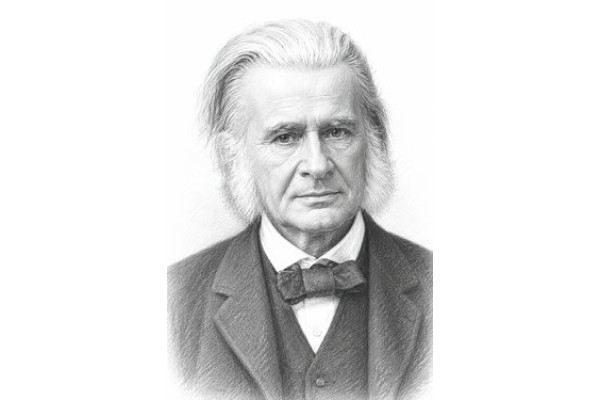
Thomas Henry Huxley
Thomas Henry Huxley was an English biologist, comparative anatomist, educator, and author whose vigorous defense of scientific inquiry earned him the title "Darwin's Bulldog." Born in Ealing, England, in 1825, Huxley became one of the nineteenth century's foremost advocates of evolutionary theory and scientific education. Through his influential books, lectures, and essays, he promoted evidence-based reasoning, challenged intellectual dogma, and helped make science accessible to the general public. His remarkable contributions shaped modern biology, education, and the philosophy of science, leaving a lasting impact on generations of scholars and readers.
Advancing Science Through Knowledge and Reason
Thomas Henry Huxley believed that scientific progress depended upon observation, experimentation, and critical thinking. His writings explored biology, evolution, medicine, education, and philosophy, encouraging readers to seek truth through evidence rather than tradition or authority. Whether explaining the principles of natural science or recounting the achievements of great scientific pioneers, Huxley combined scholarly precision with an engaging literary style that made complex ideas understandable to a broad audience. His advocacy for scientific literacy helped transform public understanding of the natural world.
Beyond his scientific research, Huxley was an influential public lecturer and educational reformer who championed the teaching of science in schools and universities. His enduring legacy continues to inspire scientists, educators, and readers interested in the history and philosophy of scientific discovery.
Essential Works
- Yeast introduces readers to the fascinating world of microscopic life while explaining fundamental biological principles through clear and engaging scientific discussion.
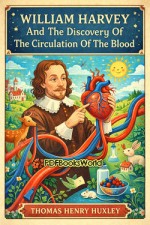
- William Harvey and the Discovery of the Circulation of the Blood recounts the life and achievements of William Harvey, highlighting one of the greatest breakthroughs in the history of medicine.
- Man's Place in Nature is Huxley's landmark work examining human evolution and the biological relationship between humans and other primates.
- Science and Culture presents influential essays advocating scientific education and exploring the relationship between science, society, and intellectual progress.
- Evolution and Ethics examines the connections and distinctions between biological evolution, morality, and human civilization.
- Lessons in Elementary Physiology provides an accessible introduction to human anatomy and physiology, becoming one of the leading educational texts of its time.
An Enduring Legacy in Science and Education
Thomas Henry Huxley's writings continue to educate and inspire readers through their scientific rigor, clarity, and enduring relevance. From Yeast and William Harvey and the Discovery of the Circulation of the Blood to Man's Place in Nature, Science and Culture, and Evolution and Ethics, his works remain important classics in biology, medicine, and scientific philosophy. His enduring legacy continues to encourage curiosity, critical thinking, and a lifelong appreciation for scientific discovery.
If you enjoy biology, medical history, evolutionary science, and classic works that celebrate scientific inquiry and education, the writings of Thomas Henry Huxley are well worth exploring. At PDFBooksWorld, you can discover a carefully curated collection of his enduring works and experience the scholarship of one of the nineteenth century's greatest scientific thinkers.
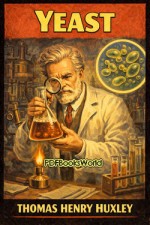
Yeast
Thomas Henry Huxley