
The Wreck of the Golden Mary
by Charles Dickens
A Ship Lost at Sea and the Human Spirit Tested by Disaster
Storms, isolation, fear, and survival shape every part of The Wreck of the Golden Mary by Charles Dickens. Set aboard a doomed sea voyage, the story follows passengers and crew members forced to confront danger and uncertainty after disaster strikes far from safety.
Unlike adventurous sea stories focused only on action and heroism, this novella pays close attention to human behavior under pressure. Dickens explores how ordinary people react when comfort, security, and control suddenly disappear.
The ocean becomes more than a setting. It transforms into a vast and unforgiving force that exposes both courage and vulnerability.
The Voyage Begins With Hope and Routine
The Golden Mary sets sail carrying passengers with different backgrounds, personalities, and expectations for the future. At first, life aboard the ship follows familiar rhythms of travel and conversation.
As conditions worsen, however, the atmosphere changes dramatically. The growing danger forces everyone onboard to recognize how fragile their situation truly is.
The story gradually shifts from ordinary travel into a desperate struggle for survival.
Disaster at Sea Changes Everything
When the ship is wrecked, the passengers and crew face terrifying uncertainty in the open ocean. Food, safety, and rescue become immediate concerns.
Dickens focuses strongly on emotional and psychological tension during the crisis. Characters must manage fear while attempting to maintain cooperation and hope.
The narrative explores:
- The chaos following sudden disaster
- The physical hardships of survival at sea
- The emotional strain of uncertainty
- The importance of leadership and trust
- The fragile balance between hope and despair
These elements create steady tension throughout the novella.
The Characters Reveal Different Sides of Human Nature
One of the story’s strongest qualities is the way individuals respond differently to hardship and fear.
The Narrator
Observant and reflective, the narrator attempts to maintain calm while recording the emotional atmosphere surrounding the disaster.
The Crew
Experienced sailors struggle to guide and protect passengers under increasingly dangerous conditions.
The Passengers
Fear, courage, selfishness, patience, and compassion all emerge as survival becomes uncertain.
Dickens uses these contrasting reactions to examine human character during extreme situations.
The Sea Creates an Atmosphere of Isolation
The endless ocean surrounding the survivors gives the novella much of its emotional power. Far from land and separated from ordinary society, the characters exist in a world ruled entirely by nature.
The sea appears:
- Immense and indifferent
- Beautiful but threatening
- Silent during moments of emotional tension
- Capable of destroying human plans without warning
This isolation increases both the suspense and the emotional intensity of the story.
The Writing Feels Reflective as Well as Dramatic
Although the novella contains danger and suspense, Dickens avoids turning the narrative into simple adventure fiction. Alongside survival scenes, he includes reflection on mortality, human weakness, and emotional endurance.
The pacing often slows during conversations and observations, allowing readers to absorb the psychological effects of disaster rather than focusing only on physical events.
This thoughtful tone gives the story emotional depth beyond its survival narrative.
A Powerful Victorian Tale of Survival and Human Endurance
The Wreck of the Golden Mary remains compelling because it combines maritime disaster with emotional and psychological realism. Charles Dickens transforms a shipwreck story into a broader reflection on fear, courage, and the fragile nature of human security.
Readers interested in sea fiction, survival narratives, and character-focused Victorian storytelling may appreciate the novella’s tense atmosphere and emotional honesty. Beneath the crashing waves and danger lies a deeply human story about endurance during moments of overwhelming uncertainty.
Similar Genres
About the Author
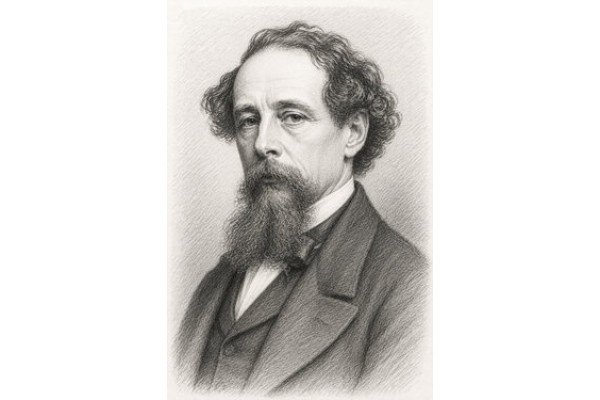
Charles Dickens transformed the Victorian novel into a powerful reflection of everyday life, giving a voice to the poor, the forgotten, and the disadvantaged. Born in Portsmouth, England, in 1812, he experienced financial hardship during his childhood, an experience that deeply influenced his writing. Explore Charles Dickens books to discover the author's life, literary career, and access notable works, including A Tale of Two Cities, Great Expectations, A Christmas Carol, Oliver Twist , and more.