The Whole History of Grandfather's Chair
by Nathaniel Hawthorne
American History Retold Through Stories, Memory, and Imagination
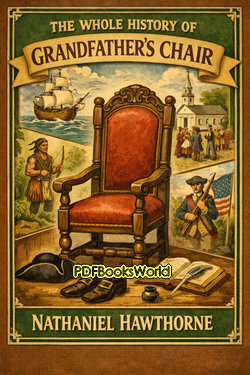
The Whole History of Grandfather’s Chair by Nathaniel Hawthorne is a creative and engaging historical work designed to introduce younger readers to early American history through storytelling rather than formal instruction. Using an old chair as a symbolic link to the past, Hawthorne transforms historical events and famous figures into vivid narratives filled with personality, atmosphere, and moral reflection.
The book combines education, imagination, and literary charm, making history feel intimate and alive.
A Grandfather Shares the Past Through Storytelling
The narrative centers on a grandfather telling stories to children while seated beside an ancient chair said to have belonged to important historical figures from colonial New England.
As the stories unfold, the chair becomes a symbolic witness to generations of American history.
Hawthorne guides readers through major events, political changes, conflicts, and personalities connected to colonial America and the early development of the United States.
Rather than focusing heavily on dates and technical detail, he emphasizes memorable scenes, human character, and dramatic historical moments.
The Historical Figures and Events Within the Book
- Colonial Governors and Leaders
Public figures shaping the political and social development of early America. - Puritan Communities
Settlements marked by religious seriousness, discipline, and moral conflict. - Ordinary Citizens and Families
People experiencing historical change within everyday life. - The Grandfather Storyteller
A guiding voice connecting children emotionally to the past.
The storytelling frame helps transform historical material into living narrative.
History Preserved Through Memory and Imagination
One of the book’s most distinctive qualities is Hawthorne’s belief that history should feel emotionally meaningful rather than distant and mechanical. The old chair symbolizes continuity between generations and the persistence of memory.
Hawthorne treats historical events not merely as political developments, but as human experiences shaped by courage, fear, ambition, suffering, and moral choice.
The result encourages readers to see the past as something connected to their own lives and identities.
Major Themes Running Through the Work
- The Importance of Historical Memory
The book emphasizes preserving connections to earlier generations and events. - Storytelling as Education
Narrative and imagination make history more vivid and meaningful. - Nationhood and Cultural Identity
The stories explore the early formation of American society and values. - Moral Reflection Within History
Historical events are shaped by human character and ethical choices.
Hawthorne’s Literary Approach to History
The Whole History of Grandfather’s Chair demonstrates Hawthorne’s talent for blending historical fact with literary atmosphere and emotional accessibility. His prose remains graceful and reflective while still approachable for younger audiences.
The storytelling tone creates warmth and intimacy, allowing readers to feel personally connected to historical events.
Even educational passages carry symbolic and emotional depth.
Why the Book Still Appeals to Readers
Modern readers continue appreciating The Whole History of Grandfather’s Chair because it shows how history can become engaging through narrative imagination and human focus.
The work also remains valuable as an example of nineteenth-century educational literature that respects both curiosity and literary beauty.
For readers interested in American history, classic educational writing, historical storytelling, and reflective literary prose, this book remains thoughtful, charming, and historically fascinating.
Similar Genres
About the Author
Nathaniel Hawthorne occupies a distinguished place in American literature for his masterful exploration of morality, guilt, and the complexities of human nature. Born in Salem, Massachusetts, in 1804, he drew inspiration from New England's colonial history and Puritan heritage, transforming historical settings into timeless works of fiction. Explore Nathaniel Hawthorne books to discover the author's life, literary career, and access notable works, including The Scarlet Letter, Mosses from an Old Manse and Other Stories, The House of the Seven Gables, The New Adam and Eve (From "Mosses from an Old Manse") , and more.