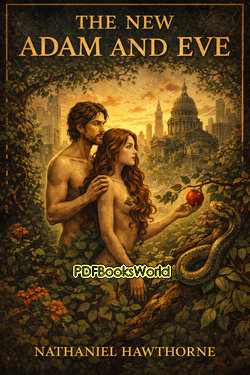
The New Adam and Eve (From "Mosses from an Old Manse")
by Nathaniel Hawthorne
A Symbolic Vision of Humanity Beginning Again After Civilization’s Collapse
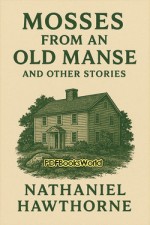
The New Adam and Eve by Nathaniel Hawthorne, included in Mosses from an Old Manse, is a dreamlike allegorical story imagining a man and woman wandering through an empty world after the disappearance of human civilization. Blending biblical symbolism, social satire, philosophical reflection, and psychological observation, Hawthorne explores human nature, innocence, society, and the strange habits people inherit from civilization itself.
The story feels both playful and unsettling, presenting humanity as simultaneously innocent, curious, and deeply shaped by forgotten social systems.
A Silent World Without Humanity
The narrative imagines a mysterious catastrophe that has erased human society, leaving cities, buildings, streets, shops, churches, and homes completely deserted.
Into this silent world awaken a new Adam and Eve, innocent figures who begin exploring the abandoned remains of civilization without fully understanding the meaning of the objects and institutions surrounding them.
As they wander through empty urban spaces, they encounter symbols of commerce, politics, fashion, religion, luxury, and social ambition.
Their reactions reveal both innocence and instinctive human tendencies.
Although civilization itself has vanished, many of its desires, curiosities, and emotional patterns appear ready to begin again.
The Symbolic Figures Within the Story
- The New Adam
A curious and inexperienced figure representing humanity starting anew. - The New Eve
An innocent companion exploring civilization with wonder, emotion, and instinctive attraction. - The Empty City
A symbolic landscape exposing the values, excesses, and habits of human civilization.
Hawthorne uses these figures allegorically rather than realistically, turning the story into a meditation on humanity itself.
Civilization and Human Nature
One of the story’s central ideas is that external civilization may disappear while deeper aspects of human nature remain constant. Even without knowledge of history or society, the new Adam and Eve begin responding instinctively to wealth, beauty, power, status, and emotional attachment.
Hawthorne humorously suggests that humanity may naturally recreate many of the same systems and behaviors that existed before the catastrophe.
The story therefore questions whether true innocence can survive within human nature for long.
Major Themes Running Through the Story
- Human Nature and Repetition
The story suggests that human desires and habits continually recreate civilization. - Innocence and Experience
The new Adam and Eve begin in innocence yet quickly encounter temptation and social instinct. - Social Satire
Hawthorne humorously critiques materialism, vanity, and institutional life. - Symbolism and Allegory
The empty city becomes a symbolic reflection of humanity’s values and weaknesses.
Hawthorne’s Philosophical Imagination
The New Adam and Eve demonstrates Hawthorne’s ability to transform speculative fantasy into moral and psychological reflection. The story’s surreal atmosphere allows him to examine civilization from an entirely fresh perspective.
His descriptions of empty urban spaces create a haunting mixture of beauty, absurdity, and emotional distance.
The tone shifts gracefully between satire, wonder, and philosophical meditation.
Why the Story Still Feels Modern
Modern readers continue finding The New Adam and Eve fascinating because its questions remain deeply relevant. The story explores whether humanity can truly escape patterns of ambition, vanity, materialism, and social organization.
It also feels strikingly modern in its post-apocalyptic imagination and symbolic examination of civilization itself.
For readers interested in allegorical fiction, philosophical fantasy, social satire, and reflective American literature, this story remains imaginative, thought-provoking, and hauntingly timeless.
Similar Genres
About the Author
Nathaniel Hawthorne occupies a distinguished place in American literature for his masterful exploration of morality, guilt, and the complexities of human nature. Born in Salem, Massachusetts, in 1804, he drew inspiration from New England's colonial history and Puritan heritage, transforming historical settings into timeless works of fiction. Explore Nathaniel Hawthorne books to discover the author's life, literary career, and access notable works, including The Scarlet Letter, Mosses from an Old Manse and Other Stories, The House of the Seven Gables, Other Tales and Sketches , and more.