The House of the Seven Gables
by Nathaniel Hawthorne
A Haunted House, Family Secrets, and Generations of Guilt
Some houses hold memories. Others seem to hold entire histories of sorrow, greed, and mystery. In The House of the Seven Gables, author Nathaniel Hawthorne transforms an old New England mansion into one of the most unforgettable settings in American literature.
Blending Gothic fiction, family drama, romance, and psychological symbolism, the novel tells the story of the Pyncheon family, whose wealth and reputation have been overshadowed for generations by a dark curse and painful secrets from the past.
Rich with atmosphere and emotional complexity, the novel remains one of Hawthorne’s most admired works.
The Dark History of the Pyncheon Family
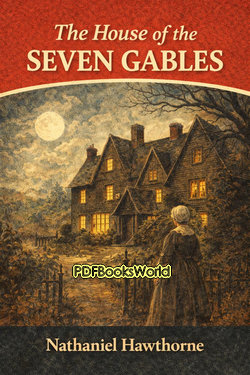
The story centers on the ancient Pyncheon mansion, a gloomy house with seven sharply pointed gables that has stood for generations.
Long before the events of the novel:
- The land was taken under suspicious circumstances
- An innocent man named Matthew Maule was accused of witchcraft
- A curse was said to fall upon the Pyncheon family
As the years pass, the family experiences misfortune, loneliness, and emotional suffering, leading many to believe the curse may be real.
The Characters Living Inside the Mansion
At the beginning of the novel, the once-powerful Pyncheon family has fallen into decline. The mansion is now occupied by a small group of emotionally burdened individuals.
Hepzibah Pyncheon
An elderly woman struggling with poverty and pride, Hepzibah opens a small shop inside the house despite feeling humiliated by her situation.
Clifford Pyncheon
Hepzibah’s brother Clifford returns home after spending many years imprisoned for a crime surrounded by mystery and suspicion.
Phoebe Pyncheon
Phoebe brings warmth, optimism, and energy into the dark household. Her cheerful personality creates a sharp contrast with the sadness surrounding the mansion.
Judge Jaffrey Pyncheon
A wealthy and respected relative, the judge hides ambitions and secrets beneath his respectable public image.
A Novel Filled With Gothic Atmosphere
One of the novel’s greatest strengths is its haunting atmosphere. Hawthorne uses the house itself almost like a living character.
The mansion contains:
- Dark corridors and hidden spaces
- Old portraits and family relics
- Lingering memories of past injustice
- A sense of emotional confinement
The setting reflects the emotional struggles of the people trapped within its walls.
Major Themes Throughout the Story
The Burden of the Past
The novel explores how past crimes and moral failures continue to affect future generations. Hawthorne suggests that families and societies cannot easily escape historical wrongdoing.
Guilt and Moral Consequences
Many characters are shaped by guilt, secrecy, or hidden corruption. The story examines the emotional cost of greed and dishonesty.
Isolation and Loneliness
Several characters live emotionally isolated lives inside the old mansion, disconnected from the outside world.
Hope and Renewal
Despite its dark atmosphere, the novel also offers moments of healing, kindness, and the possibility of emotional renewal.
Nathaniel Hawthorne’s Literary Style
Nathaniel Hawthorne writes with rich symbolism and psychological depth. Rather than focusing mainly on action, he carefully explores the emotions, motivations, and moral struggles of his characters.
His style often includes:
- Detailed symbolism
- Gothic imagery
- Psychological introspection
- Moral reflection
- Atmospheric descriptions
The language is thoughtful and descriptive, creating a slow but emotionally powerful reading experience.
Connections to American History
Hawthorne’s writing was influenced by New England history, especially the Salem witch trials. His own ancestors were connected to those historical events, which deeply affected his view of guilt and moral responsibility.
The novel reflects concerns about:
- Inherited wealth and privilege
- Historical injustice
- Puritan morality
- Social reputation
These historical influences give the story additional depth beyond its Gothic surface.
Why the Novel Still Matters Today
Readers continue to admire The House of the Seven Gables because its themes remain emotionally and socially relevant.
The novel still resonates because it explores:
- The lasting effects of injustice
- Family conflict and emotional trauma
- The struggle between appearance and reality
- The possibility of personal redemption
Its combination of Gothic mystery and psychological realism keeps modern readers engaged.
Who Should Read This Classic?
This novel is especially suited for readers interested in:
- Classic American literature
- Gothic fiction
- Psychological novels
- Historical family dramas
- Symbolic and atmospheric storytelling
Readers who enjoy slow-building emotional depth and richly symbolic fiction often find Hawthorne’s work especially rewarding.
Final Thoughts
The House of the Seven Gables by Nathaniel Hawthorne is a haunting and emotionally layered novel about family history, guilt, and the lasting power of the past. Through the mysterious Pyncheon mansion and its troubled inhabitants, Hawthorne creates a timeless exploration of human weakness, moral responsibility, and hope for renewal.
Combining Gothic atmosphere with deep psychological insight, the novel remains one of the most important works in American literary history and continues to captivate readers generation after generation.
Similar Genres
About the Author
Nathaniel Hawthorne occupies a distinguished place in American literature for his masterful exploration of morality, guilt, and the complexities of human nature. Born in Salem, Massachusetts, in 1804, he drew inspiration from New England's colonial history and Puritan heritage, transforming historical settings into timeless works of fiction. Explore Nathaniel Hawthorne books to discover the author's life, literary career, and access notable works, including The Scarlet Letter, Mosses from an Old Manse and Other Stories, The New Adam and Eve (From "Mosses from an Old Manse"), Other Tales and Sketches , and more.