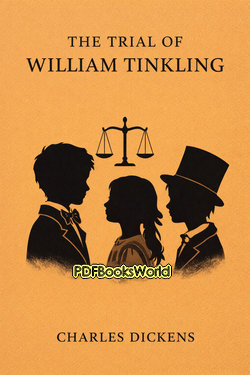
The Trial of William Tinkling
by Charles Dickens
A Child’s Imagination Turns an Ordinary Situation Into a Grand Courtroom Drama
The Trial of William Tinkling by Charles Dickens transforms childhood imagination into playful comedy by presenting the experiences of children with the seriousness and drama of an adult legal trial. The story captures how young minds often exaggerate events, emotions, and conflicts until they feel enormous and deeply important.
Rather than focusing on real crime or danger, Dickens creates humor through mock seriousness and theatrical storytelling. Everyday childhood misunderstandings become dramatic accusations, emotional speeches, and comic legal proceedings.
The result is lighthearted, imaginative, and filled with the lively energy of youthful storytelling.
The Story Mimics the Style of a Real Trial
One of the novella’s most entertaining qualities is the way Dickens imitates courtroom language and legal behavior while applying it to childish situations and emotions.
The mock trial includes elements such as:
- Dramatic accusations and defenses
- Overly serious speeches
- Comic misunderstandings
- Exaggerated emotional reactions
- Theatrical legal-style narration
The contrast between formal courtroom behavior and childish concerns creates much of the humor.
William Tinkling Becomes the Center of the Chaos
William Tinkling himself is less a dangerous criminal than a child caught inside an exaggerated world created by imagination and emotional excitement.
Childhood Innocence
The story reflects how children often become overwhelmed by situations adults would consider small or harmless.
Comic Emotional Drama
Feelings of embarrassment, fear, and confusion are treated with exaggerated seriousness.
Playful Satire
Dickens gently mocks adult legal systems by comparing them to childish emotional conflicts.
This playful perspective gives the story warmth rather than cruelty.
The Humor Comes From Exaggeration and Performance
Dickens had a strong love for theatrical storytelling, and this piece reflects that enjoyment clearly. Much of the comedy depends on treating absurd situations as though they are matters of enormous public importance.
The writing style emphasizes:
- Comic overstatement
- Formal language applied to silly events
- Dramatic pacing and interruptions
- Exaggerated emotional reactions
- Playful imitation of adult institutions
This energetic approach keeps the story entertaining and fast-moving.
The Story Celebrates the Imagination of Childhood
Beneath the humor, Dickens also shows affection for the emotional intensity and creativity of children. The story recognizes that childhood imagination can transform ordinary experiences into entire worlds filled with excitement and meaning.
The novella quietly values:
Creative Play
Children build elaborate emotional realities through imagination and storytelling.
Emotional Honesty
Feelings that seem exaggerated to adults still feel completely real to children.
Theatrical Curiosity
Young minds enjoy turning life into performance, drama, and adventure.
These ideas give the story charm beyond its comic surface.
Dickens Uses Comedy to Reflect Adult Society
Although playful, the mock courtroom also allows Dickens to gently satirize the seriousness and complexity of legal systems and public behavior. Adults often behave with just as much drama, exaggeration, and emotional confusion as children do.
By placing childish emotion inside an adult-style legal framework, Dickens humorously suggests that society itself sometimes operates through performance and overreaction.
This subtle satire adds another layer beneath the comedy.
A Clever and Entertaining Piece of Comic Storytelling
The Trial of William Tinkling remains enjoyable because it combines humor, theatrical parody, and affectionate observation of childhood behavior. Charles Dickens turns a simple childish situation into a lively comic performance filled with exaggerated seriousness and imaginative energy.
Readers who enjoy playful Victorian humor and stories centered on childhood imagination may especially appreciate the novella’s charm. Beneath the mock courtroom drama lies a warm celebration of creativity, emotion, and the wonderfully dramatic world of children.
Similar Genres
About the Author
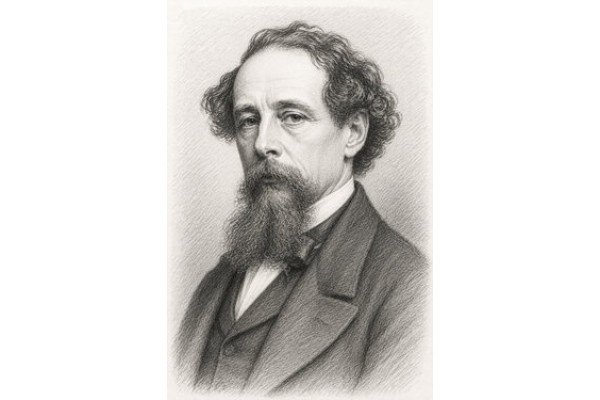
Charles Dickens transformed the Victorian novel into a powerful reflection of everyday life, giving a voice to the poor, the forgotten, and the disadvantaged. Born in Portsmouth, England, in 1812, he experienced financial hardship during his childhood, an experience that deeply influenced his writing. Explore Charles Dickens books to discover the author's life, literary career, and access notable works, including A Tale of Two Cities, Great Expectations, A Christmas Carol, Oliver Twist , and more.