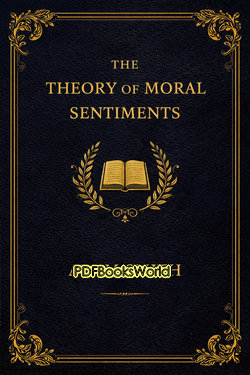
The Theory of Moral Sentiments
by Adam Smith
Understanding Human Nature Through Sympathy and Ethics
The Theory of Moral Sentiments by Adam Smith is one of the most influential works in moral philosophy. Published before his famous economic writings, this book explores how people develop ethical judgments, form social bonds, and distinguish right from wrong. Rather than viewing individuals as purely self-interested, Smith argues that humans possess a natural capacity for sympathy, allowing them to understand and share the feelings of others.
The work examines the foundations of morality and seeks to explain why people often act with kindness, fairness, and concern for society. Through careful observation of human behavior, Smith presents a vision of ethics grounded in everyday experience rather than abstract theory alone.
The Central Role of Sympathy
At the heart of the book is the concept of sympathy, which Smith uses to describe the ability to imagine and understand another person's emotions. According to his theory, people naturally evaluate actions by considering how they would feel in similar circumstances.
This capacity for sympathy helps create social harmony. It allows individuals to connect with one another, develop compassion, and make moral judgments that extend beyond personal interests. Smith believed that this shared understanding plays a vital role in the functioning of society.
The Impartial Spectator
One of the book's most famous ideas is the concept of the "impartial spectator." Smith suggests that people often evaluate their own behavior by imagining how a fair and objective observer would judge their actions. This internal perspective helps guide ethical decision-making and encourages self-control.
By considering how an impartial observer might view a situation, individuals can move beyond immediate emotions and make more balanced moral choices. This idea remains one of the most enduring contributions of the work.
Key Ideas Explored Throughout the Book
- Sympathy: Understanding and sharing the feelings of others.
- Moral Judgment: Evaluating actions through reflection and empathy.
- Self-Control: Balancing personal desires with ethical responsibilities.
- Social Harmony: Building stable communities through mutual understanding.
These concepts form the foundation of Smith's moral philosophy and continue to influence ethical discussions today.
A Study of Everyday Human Behavior
Unlike many philosophical works that rely heavily on abstract arguments, The Theory of Moral Sentiments draws extensively from ordinary human experiences. Smith examines friendship, gratitude, resentment, generosity, ambition, and other common emotions to illustrate how moral judgments develop.
This practical approach makes the book accessible and relatable. Readers encounter ideas that emerge directly from daily life, allowing them to see how ethical principles operate in real-world situations.
The Relationship Between Individual and Society
Smith believed that personal conduct and social well-being are closely connected. While individuals pursue their own goals, they also depend upon the approval, trust, and cooperation of others. Moral behavior helps strengthen these relationships and contributes to a more stable society.
The book explores how social norms develop and how communities encourage virtues such as fairness, honesty, and responsibility. These observations reveal Smith's broader interest in the mechanisms that allow societies to function successfully.
Why the Book Remains Influential
- Foundational Ethics: It remains a major work in moral philosophy.
- Human Psychology: The book offers valuable insights into behavior and emotions.
- Social Understanding: It examines the connections between individuals and communities.
- Timeless Relevance: Its questions about morality remain important today.
These qualities have ensured the book's lasting importance among philosophers, economists, historians, and general readers.
Why The Theory of Moral Sentiments Is Still Worth Reading
The Theory of Moral Sentiments remains a profound exploration of ethics, human nature, and social relationships. Through concepts such as sympathy and the impartial spectator, Adam Smith provides a thoughtful explanation of how people develop moral values and interact within society. The book continues to offer valuable insights into human behavior, making it an essential work for anyone interested in philosophy, psychology, ethics, or the foundations of social life.
Similar Genres
About the Author

Adam Smith was a Scottish economist, philosopher, and author whose pioneering ideas laid the foundations of modern economics and the study of free markets. Born in Kirkcaldy, Scotland, in 1723, Smith became one of the leading thinkers of the Scottish Enlightenment through his insightful writings on commerce, morality, government, and human behavior. Explore Adam Smith books to discover the author's life, literary career, and access notable works, including An Inquiry into the Nature and Causes of the Wealth of Nations , and more.