
An Inquiry into the Nature and Causes of the Wealth of Nations
by Adam Smith
The Influential Economic Classic That Shaped Modern Economic Thought
An Inquiry into the Nature and Causes of the Wealth of Nations by Adam Smith is one of the most important works ever written on economics, trade, labor, and society. Often simply called The Wealth of Nations, the book examines how countries create prosperity, how markets function, and how labor, production, and commerce influence national growth.
First published in the eighteenth century, the work became the foundation of modern economic theory and continues to influence discussions about capitalism, free markets, trade, government policy, and economic development.
The Historical Importance of the Book
Before Adam Smith wrote this work, economic systems were often heavily controlled by governments and influenced by mercantilist policies focused on accumulating wealth through strict trade regulation. Smith challenged many of these ideas by arguing that economic freedom, competition, and productive labor could create greater prosperity for society.
His ideas helped transform political and economic thinking during a period of major social and industrial change. The book became especially influential during the growth of industrial economies and expanding international trade.
Even today, many economic discussions about markets, taxation, labor, and government intervention still reference Adam Smith's ideas.
Main Economic Ideas Explored in the Book
The book examines many important principles related to economics, labor, and national prosperity.
- Division of labor and how specialization increases productivity
- Free markets and competition as drivers of economic growth
- Supply, demand, and pricing within commercial systems
- The role of self-interest in economic activity and trade
- International commerce and trade relationships between nations
- The relationship between government and the economy
These ideas helped establish many of the foundations of modern economic theory.
The Famous Idea of the “Invisible Hand”
One of the most widely discussed concepts connected with Adam Smith is the idea that individuals pursuing their own interests can unintentionally contribute to the benefit of society as a whole. This idea later became associated with the phrase “invisible hand.”
Smith argued that when markets operate freely and fairly, competition and individual effort can encourage innovation, efficiency, and economic growth.
Although modern economists often debate the limits and challenges of free markets, Smith's ideas continue to play a major role in economic discussion worldwide.
Why Readers Continue to Study This Economic Classic
The book remains important because it explains the origins of many modern economic ideas while also exploring broader questions about labor, wealth, human behavior, and society.
The work offers:
- A foundation for understanding modern economics and capitalism
- Insight into historical trade and industrial development
- Discussion of labor, productivity, and commercial systems
- A major contribution to political and social philosophy
Students, historians, economists, and political thinkers continue to study the book because of its long-lasting influence.
The Writing Style of Adam Smith
Adam Smith writes in a thoughtful and analytical style, carefully explaining economic principles through examples, observation, and logical argument. Although some sections reflect the formal language of the eighteenth century, the ideas remain highly influential and intellectually engaging.
Smith combines philosophy, history, politics, and economics into a broad examination of how societies create and distribute wealth.
The work reflects both scholarly research and practical observation of economic life during a time of rapid change.
Perfect for Readers Interested in Economics, History, and Political Thought
This book is especially suitable for readers interested in economic theory, political philosophy, social history, and the development of modern commercial society.
- Ideal for students of economics and political science
- Suitable for readers exploring the origins of capitalism
- Encourages critical thinking about markets and government policy
- Provides historical understanding of trade and industrial growth
The book remains one of the most influential studies ever written about economic organization and national prosperity.
A Timeless Work That Continues to Influence Economic Debate
Classic works of political and economic philosophy remain valuable because they help readers understand the ideas that shaped modern societies, governments, and financial systems.
An Inquiry into the Nature and Causes of the Wealth of Nations by Adam Smith remains a landmark intellectual achievement that continues to shape discussions about economics, trade, labor, and human prosperity around the world.
Similar Genres
About the Author
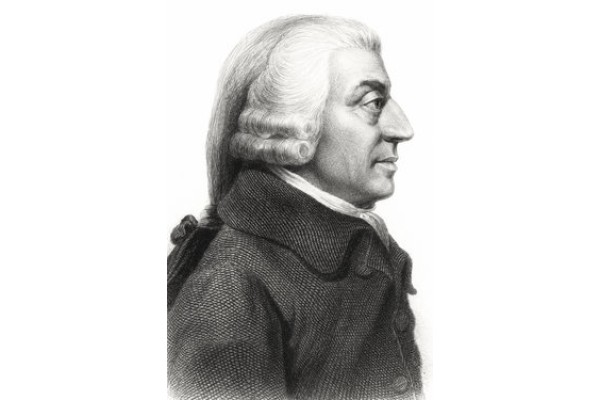
Adam Smith was a Scottish economist, philosopher, and author whose pioneering ideas laid the foundations of modern economics and the study of free markets. Born in Kirkcaldy, Scotland, in 1723, Smith became one of the leading thinkers of the Scottish Enlightenment through his insightful writings on commerce, morality, government, and human behavior. Explore Adam Smith books to discover the author's life, literary career, and access notable works, including The Theory of Moral Sentiments , and more.