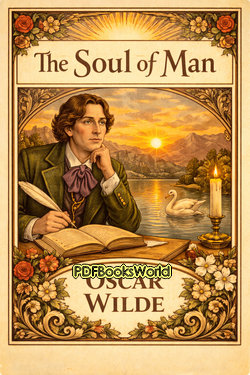
The Soul of Man
by Oscar Wilde
Oscar Wilde’s Powerful Vision of Freedom, Creativity, and Human Potential
The Soul of Man by Oscar Wilde is a bold and philosophical essay that explores individuality, creativity, social justice, and the meaning of personal freedom. Originally published as The Soul of Man under Socialism, the work presents Wilde’s belief that society should allow people to fully develop their talents and live without unnecessary suffering or limitation.
Unlike Wilde’s famous plays and fictional works, this essay focuses directly on political and social ideas. Wilde combines philosophy, cultural criticism, and artistic theory while defending the importance of imagination and personal independence.
The result is a thoughtful and highly original work that still inspires discussion today.
A Vision of Society Built Around Individual Freedom
At the center of the essay is Wilde’s argument that poverty and social inequality prevent people from reaching their true potential. He believed many individuals spend their lives struggling simply to survive instead of developing creativity, intelligence, and personal happiness.
Wilde imagines a society where human beings would have greater freedom to explore art, thought, and self-expression. Rather than promoting strict conformity, he celebrates individuality and personal uniqueness.
The essay focuses more on human fulfillment than on political systems alone.
Important Ideas Discussed in the Essay
Key Ideas
- Individuality and Self-Expression
Wilde strongly supports personal freedom and creative independence. - Criticism of Poverty
The essay argues that economic hardship limits human potential and happiness. - The Importance of Art
Wilde views creativity and beauty as essential parts of a meaningful life. - Freedom From Social Pressure
The work criticizes systems that force people to follow rigid expectations.
These ideas reveal Wilde’s deep interest in both artistic and human freedom.
A Writing Style Filled With Wit and Confidence
Even while discussing serious philosophical subjects, Wilde writes with elegance, intelligence, and memorable humor. His arguments are often expressed through striking phrases and clever observations.
The essay feels lively rather than academic because Wilde combines intellectual discussion with personality and style. He challenges traditional thinking while keeping readers entertained through sharp language and bold ideas.
This unique approach helped make the essay one of Wilde’s most influential nonfiction works.
Main Themes Explored Throughout the Work
Themes
- Freedom and Human Potential
Wilde argues that people flourish when given independence and opportunity. - Creativity and Artistic Beauty
The essay celebrates imagination and the emotional value of art. - Social Justice and Equality
Wilde criticizes systems that create suffering and limit personal growth. - Resistance to Conformity
The work encourages individuality instead of blind obedience to society.
These themes continue to influence modern conversations about culture, politics, and personal freedom.
A More Philosophical Side of Oscar Wilde
Readers familiar with Wilde’s witty comedies may be surprised by the serious and intellectual nature of The Soul of Man. Although his humor remains visible, the essay focuses mainly on philosophy and social criticism rather than dramatic storytelling.
At the same time, Wilde’s personality shines through every page. His confidence, creativity, and love of paradox make the work engaging even when discussing complex ideas.
The essay also provides valuable insight into Wilde’s personal beliefs and artistic philosophy.
Why the Essay Still Feels Relevant Today
More than a century after publication, The Soul of Man continues to attract readers because its ideas about individuality, creativity, and freedom still feel modern. Questions about personal identity, economic inequality, and artistic independence remain important in contemporary society.
Wilde’s belief that people should have the opportunity to live meaningful and creative lives continues to resonate across generations.
For readers interested in philosophy, cultural criticism, and Oscar Wilde’s intellectual world, this essay remains a fascinating and thought-provoking read.
Similar Genres
About the Author
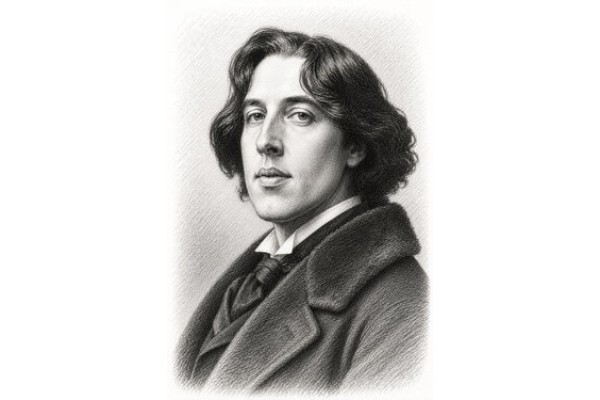
Oscar Wilde remains one of the most admired writers of the Victorian era, celebrated for his brilliant wit, elegant prose, and enduring literary imagination. Born in Dublin, Ireland, in 1854, Wilde established himself as a novelist, playwright, poet, and essayist whose works continue to delight readers more than a century after they were written. Explore Oscar Wilde books to discover the author's life, literary career, and access notable works, including The Importance of Being Earnest, The Canterville Ghost, The Picture of Dorian Gray, An Ideal Husband , and more.