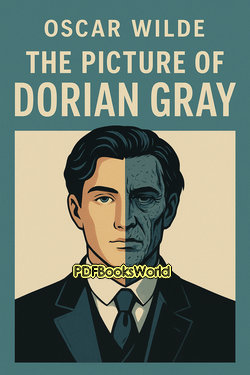
The Picture of Dorian Gray
by Oscar Wilde
The Dark Price of Beauty, Vanity, and Eternal Youth
The Picture of Dorian Gray is a famous gothic and philosophical novel written by Oscar Wilde. First published in 1890, the novel tells the haunting story of a handsome young man whose beauty never fades while a mysterious portrait reflects the corruption of his soul. The book explores themes of vanity, temptation, morality, and the dangerous pursuit of pleasure.
About the Author
Oscar Wilde was a well-known Irish writer, playwright, and poet famous for his wit, creativity, and unique literary style. He became one of the leading figures of the Aesthetic Movement, which believed in “art for art’s sake.” The Picture of Dorian Gray remains his only novel and one of the greatest works of English literature.
Story Overview
The story begins with artist Basil Hallward painting a portrait of the beautiful young Dorian Gray. Basil deeply admires Dorian’s beauty and innocence. During this time, Dorian meets Lord Henry Wotton, a charming but highly influential man who encourages him to seek pleasure and enjoy life without worrying about morality.
After seeing his portrait, Dorian becomes obsessed with the fear of growing old. He wishes that the painting would age instead of him, allowing him to remain forever young and handsome. His wish mysteriously comes true. As Dorian continues living a selfish and sinful life, the portrait slowly becomes ugly and terrifying, reflecting the damage done to his soul while Dorian’s appearance remains unchanged.
Main Characters
- Dorian Gray – A handsome young man whose obsession with beauty and pleasure leads him toward moral destruction.
- Basil Hallward – The talented artist who paints Dorian’s portrait and sees goodness in him.
- Lord Henry Wotton – A clever and influential aristocrat who encourages Dorian to live a life of indulgence and pleasure.
- Sibyl Vane – A young actress whom Dorian falls in love with before cruelly rejecting her.
- James Vane – Sibyl’s protective brother who later seeks revenge against Dorian.
Major Themes in the Novel
- Beauty and Vanity – The novel shows how obsession with physical beauty can destroy a person’s morality.
- Corruption of the Soul – Dorian’s portrait becomes a symbol of his inner corruption and sinful actions.
- Influence and Temptation – Lord Henry’s ideas greatly influence Dorian’s decisions and lifestyle.
- Art and Reality – The novel explores the relationship between beauty, art, and human life.
- Consequences of Immorality – Wilde shows that actions driven by selfish pleasure eventually lead to destruction.
Important Elements of the Story
- A magical portrait that changes with Dorian’s sins
- Gothic atmosphere filled with mystery and suspense
- Psychological conflict and moral decay
- Romantic tragedy involving Sibyl Vane
- Philosophical discussions about beauty and pleasure
- Dark ending that reveals the truth behind the portrait
Writing Style
Oscar Wilde uses elegant, descriptive, and philosophical language throughout the novel. His dialogues are filled with wit, clever observations, and deep ideas about society, beauty, and morality. The gothic atmosphere and emotional storytelling make the novel both entertaining and thought-provoking.
Why Readers Enjoy This Book
Readers admire The Picture of Dorian Gray because it combines horror, philosophy, drama, and psychological tension in a unique way. The story remains relevant even today because it explores human desires, vanity, and the fear of aging.
- Dark and suspenseful storyline
- Memorable and complex characters
- Deep philosophical themes
- Beautiful and intelligent writing style
- Powerful moral and psychological conflict
Historical and Literary Value
The novel shocked many readers during the Victorian era because of its bold themes and moral questions. Over time, it became recognized as a masterpiece of gothic fiction and modern literature. Today, it is studied worldwide for its artistic brilliance, symbolism, and exploration of human nature.
Conclusion
The Picture of Dorian Gray by Oscar Wilde is a timeless novel about beauty, temptation, and the hidden consequences of immoral living. Through the tragic journey of Dorian Gray, Wilde presents a powerful warning about vanity, selfishness, and the corruption of the soul. Readers who enjoy gothic fiction, psychological drama, and philosophical stories will find this novel unforgettable and deeply meaningful.
Similar Genres
About the Author
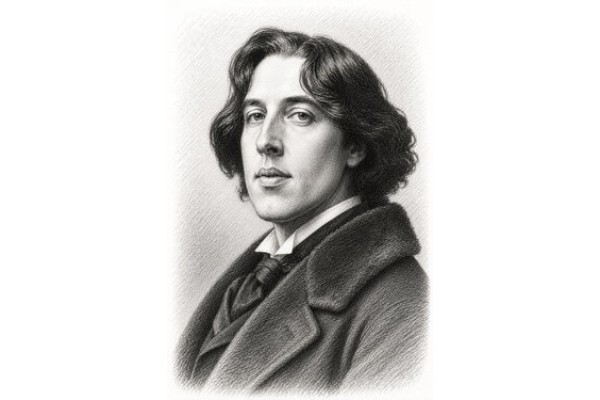
Oscar Wilde remains one of the most admired writers of the Victorian era, celebrated for his brilliant wit, elegant prose, and enduring literary imagination. Born in Dublin, Ireland, in 1854, Wilde established himself as a novelist, playwright, poet, and essayist whose works continue to delight readers more than a century after they were written. Explore Oscar Wilde books to discover the author's life, literary career, and access notable works, including The Importance of Being Earnest, The Canterville Ghost, An Ideal Husband, The Happy Prince and Other Tales , and more.