The Importance of Being Earnest
by Oscar Wilde
A Brilliant Comedy of Wit and Deception
The Importance of Being Earnest by Oscar Wilde remains one of the most celebrated comedies in English literature. First performed in 1895, the play brilliantly combines satire, wit, romance, and social criticism into a timeless theatrical masterpiece. Wilde’s clever dialogue and unforgettable characters continue to entertain audiences around the world more than a century after its debut.
Introduction to the Play
Set in Victorian England, the story follows two young gentlemen, Jack Worthing and Algernon Moncrieff, who both lead double lives in order to escape social obligations. Jack pretends to have a troublesome brother named Ernest in London, while Algernon invents an invalid friend called Bunbury to avoid unwanted responsibilities.
Their deceptions become increasingly complicated when both men fall in love. Ironically, the women they court insist that they can only marry a man named Ernest. Wilde uses this absurd situation to create a hilarious comedy filled with misunderstandings, mistaken identities, and sharp observations about society.
Plot Summary
Jack Worthing lives a respectable life in the countryside as guardian to Cecily Cardew, but in London he assumes the identity of his fictional brother, Ernest. His friend Algernon discovers the truth after noticing inconsistencies in Jack’s stories.
Jack plans to propose to Gwendolen Fairfax, Algernon’s cousin, who is fascinated by the name Ernest and declares that she could only love a man with such a name. Meanwhile, Algernon secretly travels to Jack’s country estate pretending to be Ernest himself in order to meet Cecily.
As confusion grows, both women discover that neither man is truly named Ernest. The resulting chaos leads to comic confrontations, dramatic revelations, and eventually the discovery of Jack’s true identity. In the end, Wilde resolves the tangled relationships with a humorous twist that restores harmony among the characters.
Major Themes in The Importance of Being Earnest
1. Identity and Deception
The play revolves around false identities and double lives. Both Jack and Algernon create fictional personas to escape the pressures of Victorian society. Wilde uses deception not as tragedy, but as comedy, exposing the artificial nature of social expectations.
2. Satire of Victorian Society
Oscar Wilde mocks the values and customs of the upper class throughout the play. Marriage, social status, morality, and respectability are treated with playful irony. Wilde suggests that society often values appearances more than genuine honesty or character.
3. Marriage and Romance
The pursuit of marriage drives much of the plot. However, Wilde humorously portrays love as shallow and superficial. Characters often focus more on names, status, and social advantages than emotional connection.
4. The Meaning of “Earnest”
The title itself contains a clever pun. “Earnest” refers both to the male name Ernest and to the Victorian ideal of seriousness and sincerity. Wilde satirizes the obsession with being respectable by showing that many supposedly “earnest” people are hypocritical or foolish.
Oscar Wilde’s Writing Style
Wilde’s writing is famous for its sparkling wit and memorable one-liners. Nearly every scene contains humorous observations about society, relationships, and human behavior. His dialogue moves quickly, making the play highly entertaining both on stage and on the page.
The comedy also works on multiple levels. While audiences enjoy the humorous situations and clever jokes, Wilde simultaneously critiques the rigid moral values of Victorian England.
Why The Play Remains Popular
The Importance of Being Earnest continues to be widely performed because its humor feels surprisingly modern. Themes such as identity, social pressure, and the contrast between appearance and reality remain relevant today.
Modern productions often explore the play’s deeper themes of self-expression and hidden identity. Contemporary interpretations have also highlighted the work’s subtle exploration of performance, gender roles, and social expectations.
The play’s timeless humor and brilliant dialogue ensure that new generations continue to discover and appreciate Oscar Wilde’s genius.
Cultural Impact and Legacy
Many critics consider The Importance of Being Earnest to be Oscar Wilde’s greatest play. It has inspired countless stage productions, film adaptations, and literary discussions since its original premiere in London in 1895.
The play’s influence extends far beyond theatre. Wilde’s witty style and satirical approach helped shape modern comedy and established him as one of the most important literary figures of his era.
Final Thoughts
The Importance of Being Earnest is much more than a simple comedy. Beneath its humor lies a sharp critique of social conventions, identity, and human behavior.
Oscar Wilde created a play that remains fresh, intelligent, and entertaining even after more than one hundred years. Its unforgettable characters, clever wordplay, and satirical brilliance continue to make it one of the finest comedies ever written.
For readers and theatre lovers alike, this classic work remains an essential piece of literature that perfectly balances humor with insight.
Similar Genres
About the Author
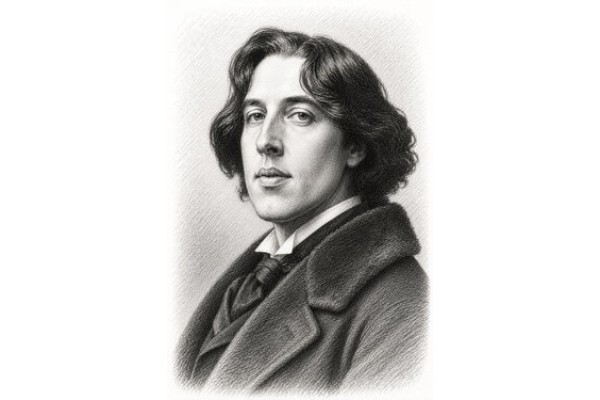
Oscar Wilde remains one of the most admired writers of the Victorian era, celebrated for his brilliant wit, elegant prose, and enduring literary imagination. Born in Dublin, Ireland, in 1854, Wilde established himself as a novelist, playwright, poet, and essayist whose works continue to delight readers more than a century after they were written. Explore Oscar Wilde books to discover the author's life, literary career, and access notable works, including The Canterville Ghost, The Picture of Dorian Gray, An Ideal Husband, The Happy Prince and Other Tales , and more.